How to read the 12-icon strip: each icon is an axis and shows the pole the country or regime leans toward. The stronger the icon, the more intense the position. Hover to see the values.
- Structure
- Representation
- Power
- Immigration
- Diplomacy
- Intervention
- Economy
- Control
- Trade
- Religion
- Morality
- Technology
Modern countries
Today's states and autonomous regions, each with its political regime and profile across the 12 axes.
Afghanistan
An Islamic emirate ruled by the Taliban since 2021, Afghanistan is governed by a clerical supreme leader who imposes a strict interpretation of sharia, bars women from education and work, and faces economic crisis and isolation.
View profile
Albania
A Muslim-majority parliamentary republic in the Balkans, Albania is a secular state with strong interfaith coexistence, a market economy after the end of Enver Hoxha's communist regime, NATO membership, and candidacy for the European Union.
View profile
Algeria
Born from the war of independence against France, Algeria is an army-dominated republic with Islam as the state religion, a state-run economy dependent on oil and gas, a non-aligned foreign policy and repression of the Hirak movement.
View profile
Argentina
A South American presidential federal republic, Argentina swings between Peronism and liberal reforms, with strong unions, public universities and healthcare, a protectionist tradition, farm exports, advanced civil rights and recurring inflation crises.
View profile
Armenia
A semi-presidential republic in the Caucasus, Armenia combines Christian national identity, the memory of the 1915 genocide, and historical rivalry with Azerbaijan and Turkey, seeking balance between Russia, the West, and Iran.
View profile
Australia
A federal parliamentary monarchy, Australia unites stable democracy, multiculturalism, and a market economy rich in natural resources, with strong alignment with the West and rigorous, selective migration policies.
View profile
Austria
A parliamentary federal republic in Central Europe, Austria combines military neutrality, a robust welfare state, a social market economy, a moderate Catholic-secular culture, and deep integration into the European Union.
View profile
Bahrain
A Persian Gulf monarchy ruled by the Sunni Al Khalifa dynasty over a Shia majority, Bahrain combines a liberalized financial hub, a parliament with limited powers, repression of the opposition since 2011, and alignment with Saudi Arabia and the US.
View profile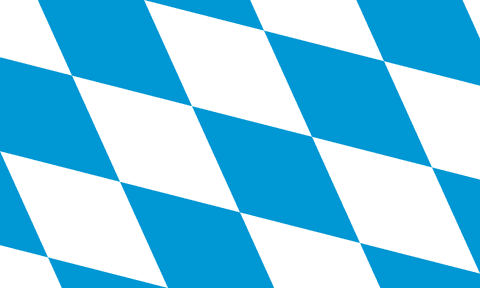
Bavaria (Germany)
Germany's largest federal state, Bavaria combines strong regional identity and Catholicism, historic dominance by the CSU, cutting-edge industry (BMW, Siemens), and active defense of its fiscal and cultural autonomy from Berlin.
View profile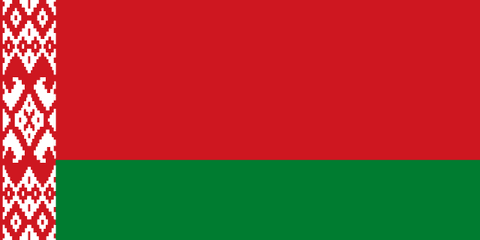
Belarus
A post-Soviet presidential republic, Belarus is ruled by an authoritarian, personalist regime, with strong state control of the economy, repression of the opposition, and a close political alliance with Russia.
View profile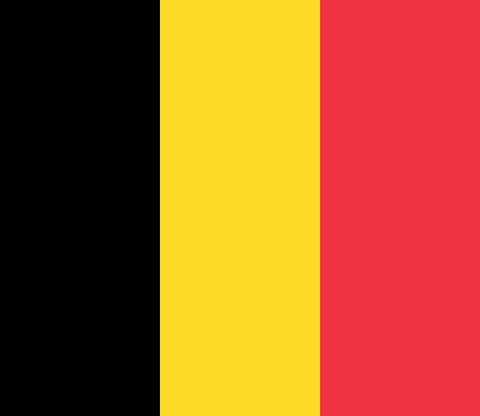
Belgium
Federal parliamentary monarchy made up of three regions and three linguistic communities, with competitive elections, broad social protection, and an open economy integrated into the European Union. National politics combines multiparty coalitions, regional autonomy, and guarantees of religious freedom.
View profile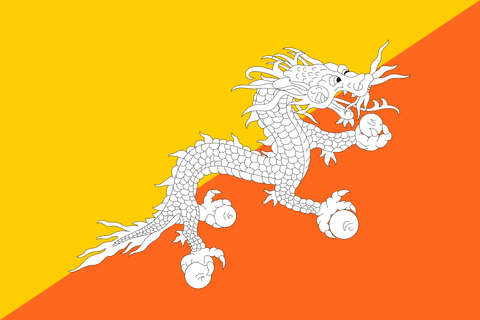
Bhutan
A small Himalayan kingdom, Bhutan combines a Buddhist constitutional monarchy, strong protection of traditional culture and nature, and Gross National Happiness as its compass of government, with cautious openness to the outside world.
View profile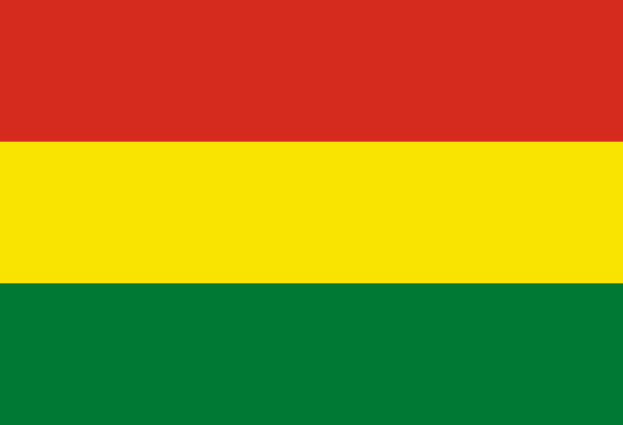
Bolivia
An Andean presidential republic, Bolivia is marked by indigenous leadership, the defense of natural resources, and a plurinational state project that unites economic nationalism and broad popular participation.
View profile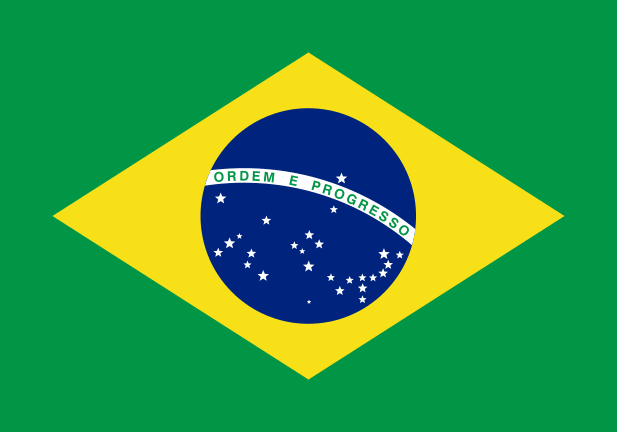
Brazil
The largest country in Latin America, Brazil is a democratic presidential federal republic with a mixed economy, broad social policies, and strong regional, cultural, and political diversity that shapes its electoral disputes.
View profile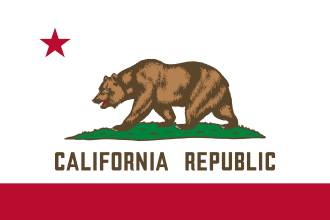
California (United States)
The most populous US state, California is a global hub of technology and culture, with strongly progressive, environmentalist, and technocratic politics and a gigantic, innovative market economy.
View profile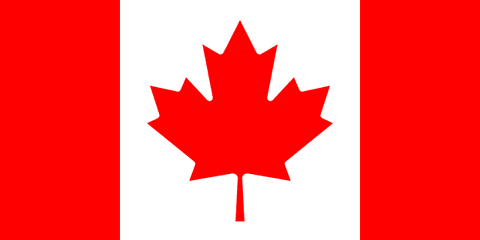
Canada
A federal parliamentary monarchy, Canada combines stable democracy, multiculturalism, a broad welfare state, and a market economy rich in natural resources, with a strong commitment to rights and diversity.
View profile
Catalonia (Spain)
An autonomous region in northeastern Spain, Catalonia combines its own national identity and language, an industrial, cosmopolitan economy, progressive social politics, and a strong independence movement that culminated in the 2017 referendum.
View profile
Chile
A South American presidential republic, Chile combines stable democracy, an open market economy, and a strong social and progressive agenda, a legacy of redemocratization after Pinochet's military dictatorship.
View profile
China
A single-party socialist state, China unites the absolute political control of the Communist Party with a state-directed market economy, becoming a global industrial, technological, and geopolitical power.
View profile
Colombia
A South American presidential republic, Colombia combines democracy, a strong Catholic tradition, and a market economy, seeking to consolidate peace after decades of armed conflict under an unprecedented left-wing government.
View profile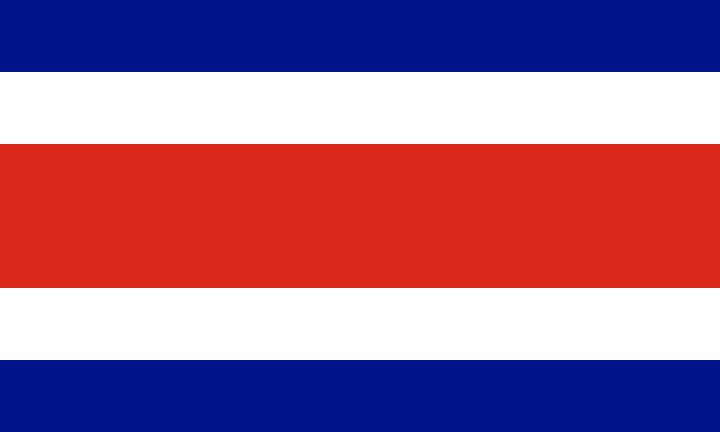
Costa Rica
A presidential republic in Central America, Costa Rica stands out for abolishing its armed forces, its consolidated democracy, its environmental commitment, and a tradition of political stability and peace in the region.
View profile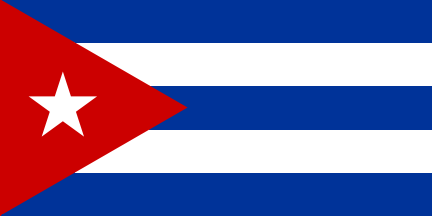
Cuba
A single-party socialist state in the Caribbean, Cuba maintains a planned economy, strong state control, and universal public services, with power centralized since the revolution led by Fidel Castro in 1959.
View profile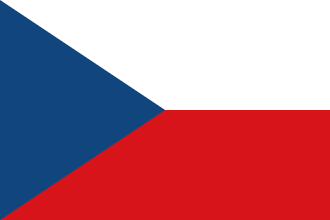
Czechia
A parliamentary republic in Central Europe, Czechia combines a consolidated liberal democracy, a strong secular tradition, an industrialized market economy, and integration into the European Union after the end of the socialist bloc.
View profile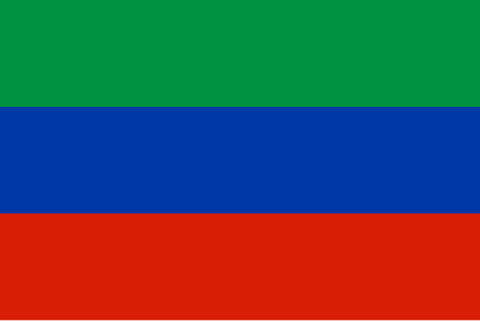
Dagestan (Russia)
A republic of the Russian Federation in the North Caucasus, Dagestan is multiethnic and Sunni Muslim-majority, with strong Sufi religiosity, local clans, dependence on subsidies from Moscow, repression of radical Islamism, and little real autonomy.
View profile
Denmark
A Nordic parliamentary monarchy, Denmark combines a generous welfare state, high taxes, and a competitive market economy, pairing strong social equality with more restrictive migration policies.
View profile
Ecuador
An Andean republic dollarized since 2000, Ecuador is governed by Daniel Noboa, who declared an internal armed conflict against organized crime and deployed soldiers in the streets and prisons, but saw foreign military bases rejected in a 2025 referendum.
View profile
Egypt
An Arab presidential republic, Egypt is governed by an authoritarian regime with heavy military weight, which prioritizes security and stability, controls the opposition, and directs much of the economy through the state.
View profile
El Salvador
A presidential republic in Central America, El Salvador gained prominence for its tough security policy against gangs and its adoption of bitcoin, uniting strong popular support and the concentration of power in the executive.
View profile
England (United Kingdom)
The largest constituent country of the United Kingdom, England is governed directly by Westminster with no parliament of its own, with an established Church of England, a public health service (NHS), a financial centre in London, a Brexit majority and a growing populist vote.
View profile
Estonia
A Baltic parliamentary republic, Estonia unites liberal democracy, an open economy, an advanced digital state, and strong Euro-Atlantic alignment, remaining vigilant about national sovereignty in the face of Russian pressure.
View profile
European Union
A supranational political and economic union, the European Union integrates democratic states through shared institutions, a common market, coordinated regulation, free movement, and a strong commitment to rights, secularism, and international cooperation.
View profile
Finland
A Nordic parliamentary republic, Finland combines a welfare state, social market economy, high educational and technological performance, progressive values, and a strategic culture shaped by territorial defense and its border with Russia.
View profile
Florida (United States)
A US state with a conservative, pro-market profile, Florida combines low taxation, tourism, intense immigration, combative cultural politics, and a state government active in security and education.
View profile
France
A European semi-presidential republic, France combines a strong republican and secular tradition, a robust welfare state, a mixed economy, and a prominent diplomatic, cultural, and military role in the European Union and the world.
View profile
Georgia
A semi-presidential republic in the Caucasus, Georgia pursues integration with the European Union and NATO, maintains an open market economy, and faces Russian occupation of Abkhazia and South Ossetia since 2008.
View profile
Germany
A parliamentary federal republic, Germany is Europe's largest economy, with a social market economy, a strong export industry, and a central role in the European Union, uniting democratic stability and geopolitical weight.
View profile
Greece
A southeastern European parliamentary democracy with the Orthodox Church recognized in its constitution, Greece overcame the debt crisis under EU-imposed austerity, is governed by Kyriakos Mitsotakis's New Democracy and legalized same-sex marriage in 2024.
View profile
Hong Kong (China)
A global financial center, Hong Kong is an autonomous region of strong free-market capitalism and technocratic management, whose broad autonomy has been increasingly restricted by mainland China's political control.
View profile
Hungary
A parliamentary republic in Eastern Europe, Hungary is governed under so-called illiberal democracy, uniting nationalism, Christian conservatism, sovereignty vis-à-vis the European Union, and strong control of media and institutions.
View profile
Iceland
A Nordic parliamentary republic, Iceland combines stable democracy, a welfare state, an open market economy, a highly secular and progressive society, strong institutional trust, and a peaceful foreign policy without permanent armed forces.
View profile
Indonesia
The world's largest Muslim country, Indonesia is a democratic presidential archipelagic republic, with an expanding market economy, great ethnic and religious diversity, and growing regional weight in Southeast Asia.
View profile
Iran
A theocratic Islamic republic, Iran combines elected institutions with the supreme authority of the clerics, under the rule of the religious jurist, a state-controlled economy, and strong regional projection in the Middle East.
View profile
Ireland
A European parliamentary republic, Ireland combines liberal democracy, an open market economy attractive to multinationals, a tradition of neutrality, and rapid social transformation toward progressive policies.
View profile
Israel
A parliamentary republic in the Middle East, Israel combines a vibrant democracy, a strong Jewish national identity, an advanced technology economy, and a prolonged conflict with the Palestinians that dominates its politics and security.
View profile
Italy
A Mediterranean parliamentary republic, Italy unites a long cultural heritage, a diversified market economy, and unstable, fragmented politics, with the recent rise of conservative and nationalist forces.
View profile
Japan
An Asian parliamentary monarchy, Japan unites tradition and high technology, with an advanced market economy, an aging society, and stable conservative politics, maintaining constitutional pacifism and strong global economic weight.
View profile
Lebanon
A parliamentary republic in the Middle East, Lebanon divides power among religious communities in a confessional system, with pluralism, a strong service sector, and chronic political and economic instability.
View profile
Liechtenstein
A tiny European principality, Liechtenstein is a prosperous constitutional monarchy, with strong local autonomy, a liberal economy based on finance and industry, and one of the highest income levels per capita in the world.
View profile
Luxembourg
A European grand duchy and global financial center, Luxembourg combines parliamentary monarchy, an open economy, deep European integration, and a multicultural society sustained by services, technology, and finance.
View profile
Macau (China)
A Chinese special administrative region and the world's largest gambling center, Macau unites very low taxes, a hyper-open economy of casinos and tourism, a Portuguese Catholic heritage, and a political system controlled by Beijing, without full democracy.
View profile
Madrid (Spain)
The autonomous community around the Spanish capital, Madrid has been governed by the People's Party since 1995 and, under Isabel Díaz Ayuso, became a showcase of low taxes, economic freedom, school choice and attraction of capital and Latin American immigrants.
View profile
Malaysia
An elective federal monarchy in Southeast Asia, Malaysia combines democracy, a multiethnic society, Islam as the official religion, and a state-directed market economy, with affirmative action policies for Malays.
View profile
Massachusetts (United States)
A northeastern US state, Massachusetts is a progressive stronghold and a hub of education and science, with prestigious universities, a strong liberal tradition, and politics focused on social rights and innovation.
View profile
Mexico
A presidential federal republic in North America, Mexico unites electoral democracy, a market economy integrated with the United States, and persistent challenges of inequality, corruption, and drug-related violence.
View profile
Minas Gerais (Brazil)
A historic mining state and birthplace of a failed 18th-century independence conspiracy against colonial rule, Minas Gerais has an economy built on mining and agriculture, with traditionally moderate, conciliatory politics.
View profile
Monaco
A small Mediterranean principality, Monaco combines constitutional monarchy, low taxation, strong dependence on financial services and luxury tourism, maintaining a conservative social order and great economic openness.
View profile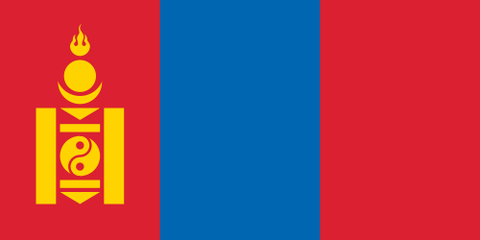
Mongolia
A democratic republic between Russia and China, Mongolia left communist rule in 1990 and has competitive elections, a mining-dependent market economy, a nomadic tradition, and a revival of Tibetan Buddhism.
View profile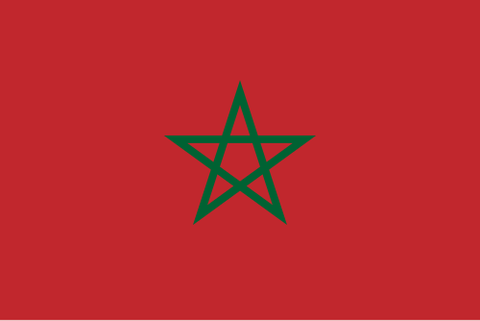
Morocco
A constitutional monarchy in North Africa, Morocco has an elected parliament, but the king, Commander of the Faithful, holds real power, with official Islam, a market economy open to trade, and a claim over Western Sahara.
View profile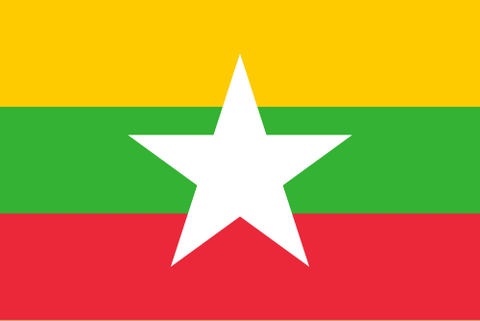
Myanmar
A Southeast Asian country ruled by a military junta since the 2021 coup, Myanmar is in civil war against ethnic and pro-democracy militias, with official Buddhist nationalism and persecution of the Muslim Rohingya minority.
View profile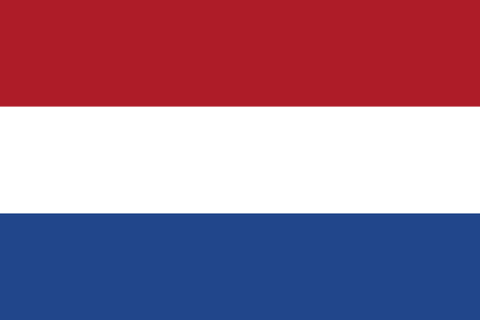
Netherlands
A parliamentary monarchy, the Netherlands is known for its liberal tradition, social tolerance, and free trade, with an open, globalized economy and progressive policies on customs and individual rights.
View profile
New Hampshire (United States)
A small state in the northeastern United States, New Hampshire is known for its strong libertarian culture, low taxation, absence of a state income tax, and a motto that exalts liberty above all.
View profile
New York (United States)
The financial and cultural center of the United States, New York combines liberal, progressive politics, enormous immigrant diversity, a globalized service-based economy, and strong symbolic weight in the world.
View profile
New Zealand
A Pacific parliamentary monarchy, New Zealand is known for progressive democracy, social welfare, and an open market economy, with strong recognition of Māori culture and the country's bicultural partnership.
View profile
Nigeria
Africa's most populous country, Nigeria is a federation split between a Muslim north, with sharia in twelve states, and a Christian south, dependent on oil and scarred by Boko Haram, and under Bola Tinubu it cut fuel subsidies.
View profile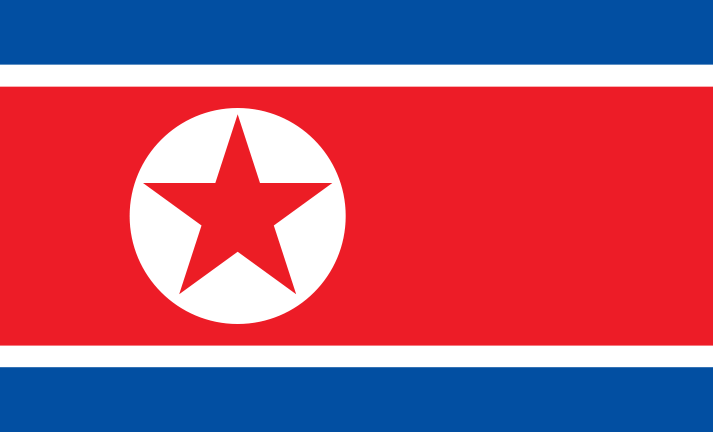
North Korea
A totalitarian single-party state, North Korea maintains a planned economy, international isolation, and a cult of the Kim dynasty, uniting communism, nationalism, and the self-reliance doctrine known as Juche.
View profile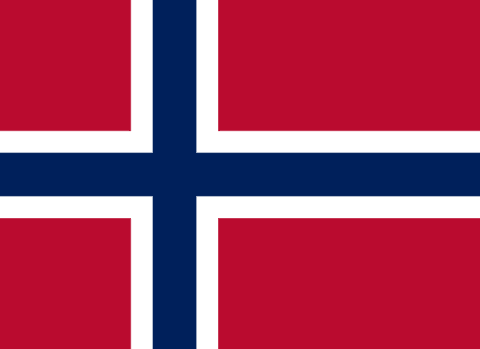
Norway
A Nordic parliamentary monarchy, Norway combines a broad welfare state, oil wealth managed by a large sovereign fund, and strong social equality, serving as a benchmark of quality of life and social democracy.
View profile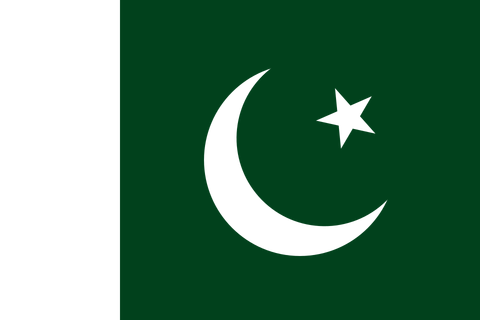
Pakistan
A parliamentary Islamic republic and nuclear power, Pakistan alternates civilian governments with strong army tutelage, with sharia-inspired laws, a mixed economy dependent on foreign aid, and a permanent rivalry with India.
View profile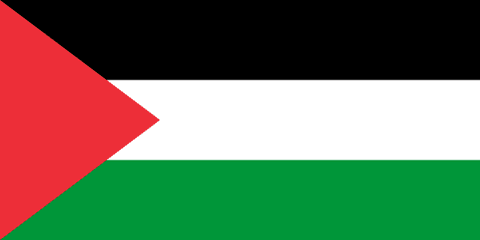
Palestine
Recognized by the UN as an observer state, Palestine is governed by the Fatah-led Palestinian Authority, with territory split between the occupied West Bank and a Gaza Strip devastated by war, an aid-dependent economy, and elections suspended for two decades.
View profile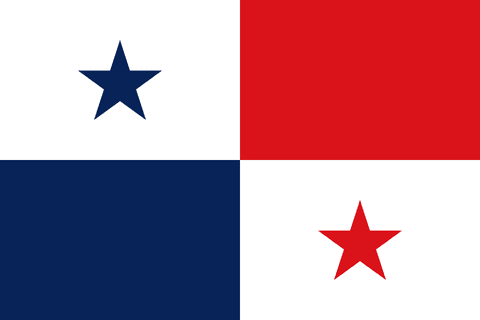
Panama
A unitary presidential republic that abolished its standing armed forces and maintains a dollarized economy centered on the Canal, financial services, the Colón Free Trade Zone, and international trade integration.
View profile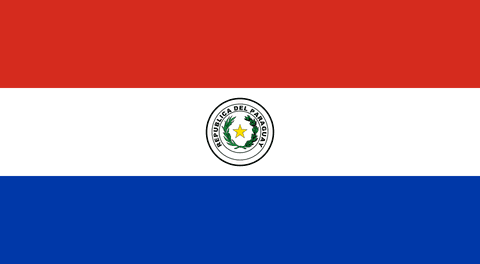
Paraguay
A unitary presidential republic governed for decades by the Colorado Party, with low taxation, a soy- and beef-exporting economy, major hydroelectric output at Itaipú, and a conservative, largely Catholic society bilingual in Guaraní.
View profile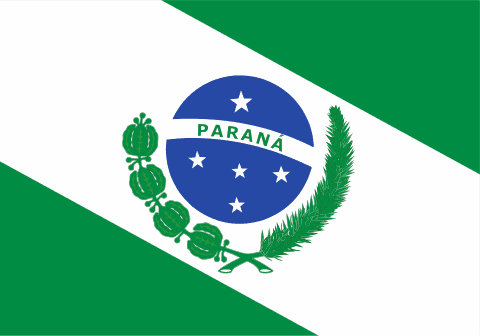
Paraná (Brazil)
A southern state with strong agribusiness and European immigrant settlement, Paraná combines a thriving agricultural and industrial economy with a mostly conservative, economically liberal electorate.
View profile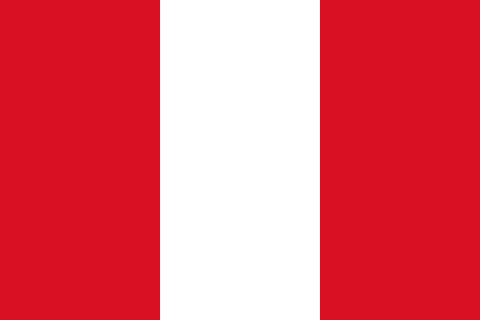
Peru
A unitary presidential republic marked by severe political instability and successive presidential removals, with an open economy based on mining, widespread labor informality, and deep inequality between the coast and the Andean and Amazonian regions.
View profile
Philippines
An archipelagic presidential republic, the Philippines combines a democracy dominated by political dynasties, a strong Catholic identity, and a market economy, with security and anti-crime agendas in the spotlight.
View profile
Poland
A parliamentary republic in Eastern Europe, Poland combines democracy, a strong Catholic and nationalist identity, and a growing market economy, with politics marked by tensions between conservatism and liberalism.
View profile
Portugal
A European semi-presidential republic, Portugal combines consolidated democracy, a market economy integrated into the European Union, a moderate welfare state, low institutional conflict, secularized Catholic heritage, and strong Atlantic openness.
View profile
Puerto Rico (United States)
Unincorporated United States territory in the Caribbean, Puerto Rico holds American citizenship without full voting representation in Congress, faces an ongoing debate between statehood, independence, and the current status, and struggles with debt crisis and heavy dependence on federal tax incentives.
View profile
Qatar
A small absolute Gulf monarchy, Qatar concentrates power in the royal family and bases its wealth on natural gas, pairing religious conservatism with intense international projection through investments, media, and diplomacy.
View profile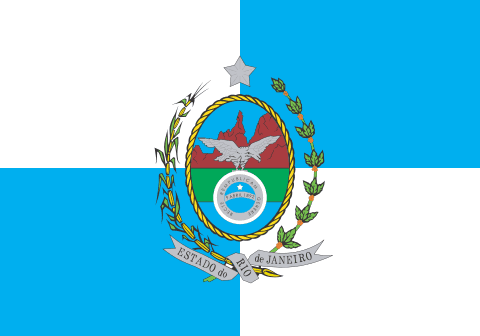
Rio de Janeiro (Brazil)
A state symbolizing Brazilian tourism and culture, Rio de Janeiro faces urban violence and territorial disputes between militias and drug gangs, with politics dominated by public security and populism.
View profile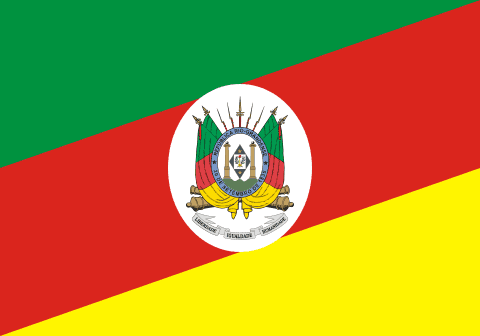
Rio Grande do Sul (Brazil)
Brazil's southernmost state, Rio Grande do Sul has a strong regional identity and a tradition of polarized political disputes, with an economy built on agribusiness, ranching, and industry.
View profile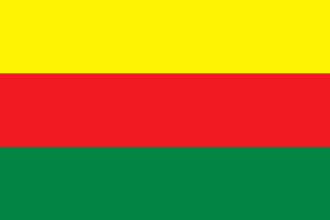
Rojava (North and East Syria)
An autonomous region in northern Syria, Rojava organizes itself through democratic confederalism, with local self-management, gender equality, ethnic pluralism, and ecology, inspired by the libertarian ideas of Abdullah Öcalan.
View profile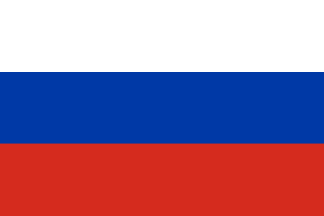
Russia
A Eurasian presidential republic, Russia concentrates power in an authoritarian, nationalist regime, with an economy dependent on natural resources, a strong military apparatus, and a foreign policy of confrontation with the West.
View profile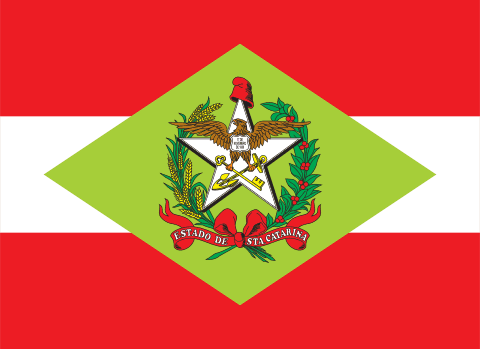
Santa Catarina (Brazil)
A southern state settled by Azorean and other European immigrants, Santa Catarina has a high human development index, a diversified small- and medium-business economy, and a predominantly conservative electorate.
View profile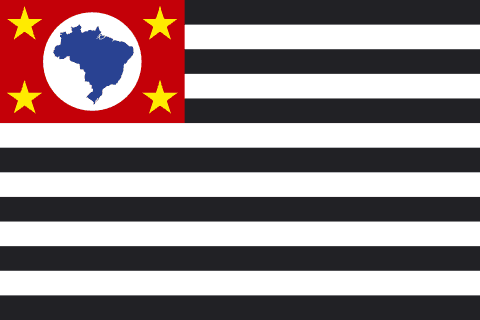
São Paulo (Brazil)
Brazil's most populous and wealthiest state, São Paulo is the country's industrial and financial engine, marked by strong economic liberalism, a cosmopolitan culture, and decisive weight in national politics.
View profile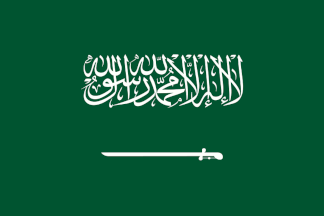
Saudi Arabia
An absolute Gulf monarchy, Saudi Arabia unites power concentrated in the royal family, strict application of Islam, and an oil-dependent economy, pursuing controlled modernization under the crown prince's leadership.
View profile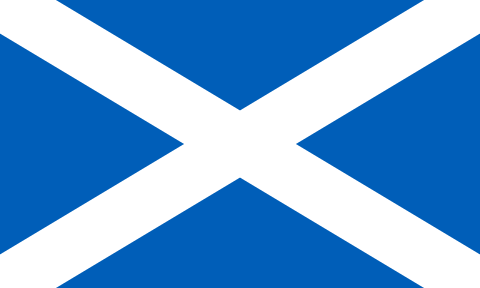
Scotland (United Kingdom)
A constituent country of the United Kingdom, Scotland has its own parliament, a distinct national identity and language, a strong independence movement (2014 referendum), and social-democratic politics further left than England's.
View profile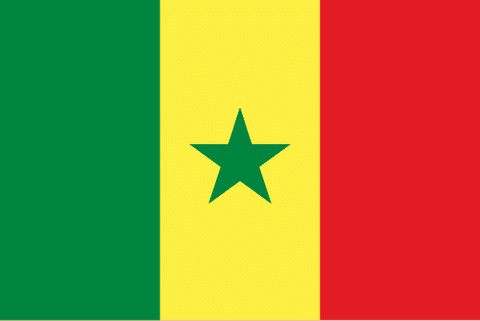
Senegal
A Sufi Muslim-majority West African republic, Senegal is a stable secular democracy that since 2024, under Bassirou Diomaye Faye and Ousmane Sonko, has pursued left-wing sovereigntism: it removed French troops and criticizes the CFA franc.
View profile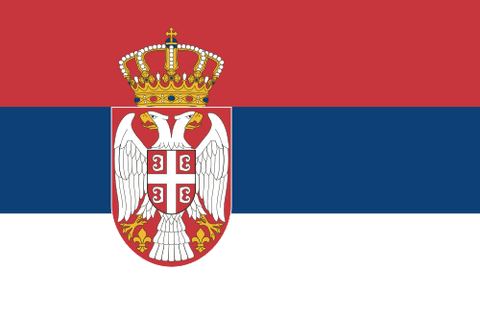
Serbia
An Orthodox-majority Balkan country, Serbia has been dominated since 2012 by Aleksandar Vučić's party, is an EU candidate yet close to Russia and China, militarily neutral, does not recognize Kosovo and faced massive student protests in 2025.
View profile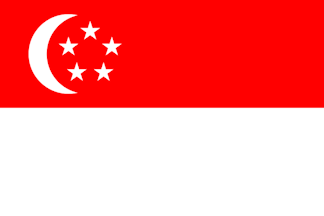
Singapore
An Asian city-state, Singapore is a parliamentary republic dominated by a single party, combining open capitalism, efficient technocratic management, strict order, and limited political freedoms in the name of progress.
View profile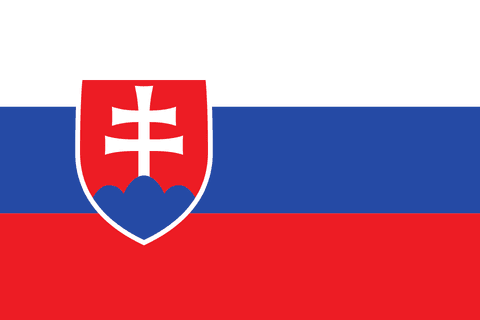
Slovakia
A parliamentary republic born of the peaceful split of Czechoslovakia in 1993, integrated into the European Union, NATO, and the euro, with an industrial economy centered on automotive manufacturing and politics marked by nationalism, Catholic traditionalism, and scepticism toward foreign military aid.
View profile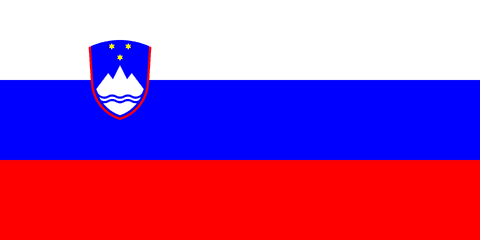
Slovenia
A parliamentary republic that separated peacefully from Yugoslavia in 1991 and joined the European Union, NATO, and the euro, combining a market economy with strong social protection, influential unions, and a largely secular society.
View profile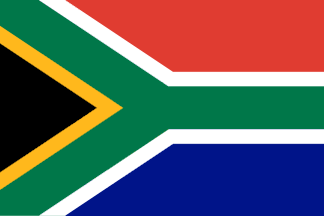
South Africa
A parliamentary republic, South Africa is the continent's largest industrial economy and a multiracial democracy born from the end of apartheid, marked by cultural diversity and deep social inequalities.
View profile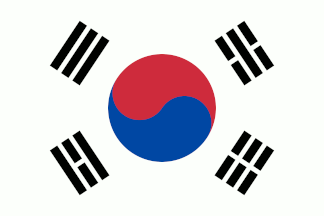
South Korea
An Asian presidential republic, South Korea combines a vibrant democracy, an export-oriented market economy, and technological leadership, the result of rapid development under strong state impetus.
View profile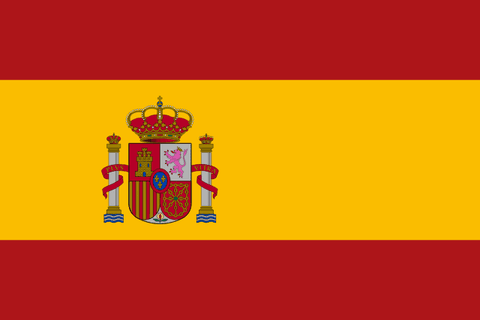
Spain
A parliamentary monarchy, Spain combines a consolidated democracy, strong decentralization into autonomous communities, a market economy, and social, progressive policies, with regional tensions such as the Catalan question.
View profile
Sri Lanka
An island presidential republic in South Asia, Sri Lanka gives constitutional primacy to Buddhism, won the war against Tamil separatists in 2009, faced the 2022 debt crisis, and elected a left-wing coalition in 2024.
View profile
Sweden
A Nordic parliamentary monarchy, Sweden is a benchmark of social democracy, with a broad welfare state, high taxes, strong social equality, and an open, innovative market economy combined with progressive values.
View profile
Switzerland
A European federal confederation, Switzerland is known for its direct democracy, strong cantonal autonomy, historic neutrality, and a prosperous economy based on finance, precision industry, and institutional stability.
View profile
Syria
Under President Ahmed al-Sharaa, Syria is in a transition begun after Assad’s fall, with a 2025 provisional constitution, reconstruction, and challenges of unity, security, and minority rights.
View profile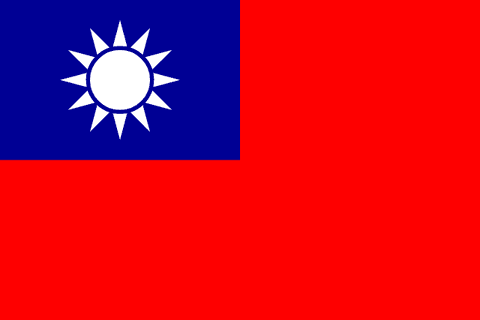
Taiwan
An island presidential republic, Taiwan is a vibrant democracy and global technology hub, especially semiconductors, living under constant military threat from China, and is Asia's pioneer in progressive causes such as marriage equality.
View profile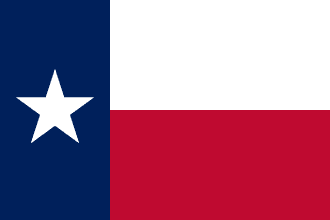
Texas (United States)
The second-largest US state, Texas stands out for its conservatism, its culture of strong individual freedom, low taxation, and a dynamic market economy tied to energy and industry.
View profile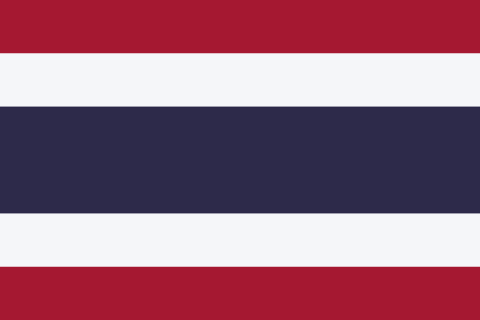
Thailand
A constitutional monarchy in Southeast Asia, Thailand alternates civilian governments and strong military influence, with a revered monarchy, predominant Buddhism, and a market economy geared toward tourism and exports.
View profile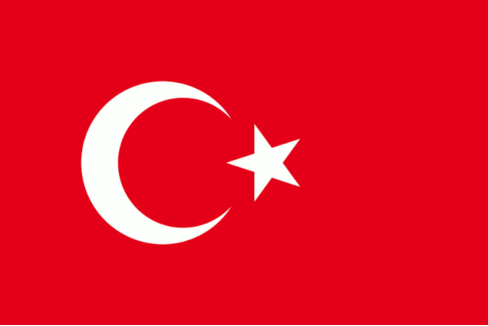
Turkey
A presidential republic between Europe and Asia, Turkey combines electoral democracy with strong concentration of power, nationalism, religious conservatism, and an assertive foreign policy in the Middle East and the Mediterranean.
View profile
Ukraine
A semi-presidential republic in Eastern Europe, Ukraine is consolidating democracy, national identity, and closer ties to the West while resisting the Russian invasion, a struggle that dominates its politics, economy, and society.
View profile
United Arab Emirates
A federation of Gulf monarchies, the United Arab Emirates combines power concentrated in the royal families, a liberal economy diversified beyond oil, and strong bets on technology, tourism, and global finance.
View profile
United Kingdom
A parliamentary monarchy, the United Kingdom has a long liberal and democratic tradition, a market economy, and a strong financial sector, maintaining global influence after leaving the European Union in the process known as Brexit.
View profile
United States
A global power and presidential federal republic, the United States combines a strong liberal tradition, a dynamic market economy, technological innovation, and a two-party system that polarizes national political life.
View profile
Uruguay
A South American presidential republic, Uruguay is recognized for solid democracy, strong secularism, broad social rights, and progressive policies, pairing institutional stability with a market economy.
View profile
Vatican City
A city-state governed by the Holy See, the Vatican combines religious sovereignty, an absolute elective monarchy, and clerical administration, functioning as the institutional center of the Catholic Church and a global diplomatic actor.
View profile
Venezuela
A South American presidential republic, Venezuela lives under an authoritarian regime of socialist and nationalist orientation, marked by concentration of power, a prolonged economic crisis, and heavy emigration of its population.
View profile
Vietnam
A single-party socialist state, Vietnam maintains the Communist Party's political control alongside market reforms that opened the economy, promoting rapid industrial growth and integration into global trade.
View profile
Washington, D.C. (United States)
The capital of the United States, Washington concentrates federal power and government institutions, with the strong weight of the public machine, a globalist orientation, and a central role in the country's diplomacy and military power.
View profile
Wyoming (United States)
The least populous U.S. state, Wyoming levies no state income or corporate tax, bases its economy on oil, gas, and mining, and combines a strong gun culture with deep distrust of the federal government.
View profile
Zapatista Chiapas (Mexico)
Zapatista territories in southern Mexico, self-governed since 1994 by mostly Maya communities through caracoles and Good Government Councils, rejecting political parties and the state, with cooperative agrarian economy and strong women's leadership.
View profile
Zug (Switzerland)
Switzerland's smallest canton and one of the lowest-taxed jurisdictions in the world, Zug attracts holdings and foundations through low taxation, hosts the Crypto Valley around Ethereum and accepts tax payments in bitcoin, under cantonal direct democracy.
View profile
Historical regimes
Antiquity
City-states, republics and empires of the ancient world.
Ancient Egypt
c. 3100–30 a.C.A Nile Valley civilization ruled by pharaonic dynasties through periods of unity and fragmentation. Sacred kingship, temples, and agricultural administration structured society; practices and institutions varied over three millennia.
View profile
Kingdom of Israel
c. 1047–930 a.C.A monarchy uniting the Hebrew tribes under Saul, David and Solomon, the Kingdom of Israel concentrated power in a king anointed by a prophet, with Jerusalem and the Temple as its religious center, the law of the Torah, tribal levies and expansion over its neighbors.
View profile
Sparta
c. 900–192 a.C.A militarist city-state of Ancient Greece, Sparta organized its whole society around war, with a mixed regime of kings and council, rigid discipline, austerity, and dominance over a vast subjugated population.
View profile
Persian Empire (Achaemenid)
550–330 a.C.The first great universal empire in history, Achaemenid Persia governed dozens of peoples through autonomous satrapies, roads, and tribute, tolerating local languages, laws, and religions under the absolute authority of the King of Kings.
View profile
Republican Rome
509–27 a.C.An aristocratic republic of antiquity, Rome balanced consuls, Senate, and tribunes of the plebs in a mixed system of elective magistracies, expanding across the Mediterranean through citizen legions and a strong cult of civic virtue.
View profile
Democratic Athens
c. 508–322 a.C.A city-state of Ancient Greece, Athens was the cradle of direct democracy, with citizens deciding the polis's course in assembly, although participation excluded women, foreigners, and slaves from political life.
View profile
Macedonian Empire
336–323 a.C.Empire formed by the conquests of Philip II and Alexander the Great, combining Macedonian military monarchy, Persian administration, Greek city founding, and Hellenistic cultural fusion over diverse territories.
View profileRoman Empire
27 a.C.–476 d.C.A vast empire of antiquity, Rome united military power, law, and centralized administration under the emperor, expanding across three continents and bequeathing language, laws, and institutions that shaped Western civilization.
View profile
Middle Ages
Empires, merchant republics and medieval communities.
Byzantine Empire
330–1453Heir of the Roman Empire in the East, Byzantium lasted a thousand years fusing Orthodox Christianity, imperial autocracy, and Justinianic law, with the emperor as head of the Church and Constantinople as a Christian capital defending Europe.
View profile
Republic of Venice
697–1797A powerful medieval merchant republic, Venice was governed by a commercial oligarchy that dominated Mediterranean trade, uniting stable institutions, a strong navy, and immense economic power for centuries.
View profile
Abbasid Caliphate
750–1258A Sunni caliphate with its capital in Baghdad, the Abbasids ruled from the Maghreb to Central Asia under a caliph with religious and political authority, with a Persian-style bureaucracy, long-distance trade, and the House of Wisdom in the Islamic Golden Age.
View profile
Papal States
756–1870Temporal state of the Papacy, the Papal States united spiritual and political authority under the Pope, applying canon law and clerical government over central Italy for centuries.
View profile
Kingdom of France
843–1792From West Francia to the monarchy’s abolition in 1792, the kingdom moved from feudal rule toward centralized absolutism. The Catholic Church, landed aristocracy, and military expansion shaped much of its history.
View profile
Medieval Iceland (Commonwealth)
c. 930–1262A rare society without a central state, medieval Iceland was organized by local chieftains and an assembly, the Althing, settling disputes through laws and private agreements in a decentralized system close to anarchy.
View profile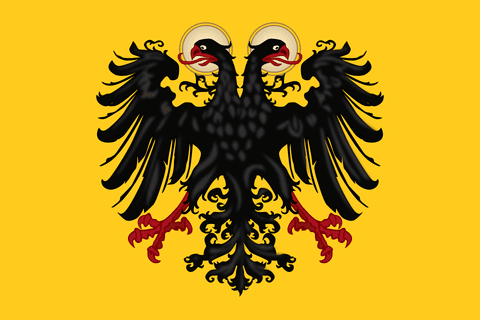
Holy Roman Empire (First Reich)
962–1806A federation of Central European territories, the Holy Roman Empire gathered principalities and cities under an elected emperor and strong Church influence, marked by fragmented power and the autonomy of its members.
View profile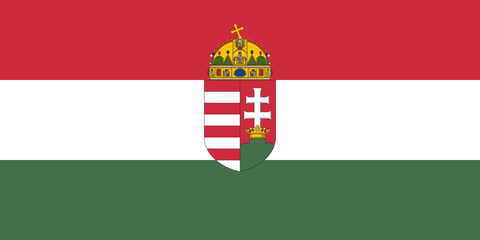
Kingdom of Hungary
1000–1918Founded under Stephen I, the kingdom passed through native dynasties, partial Ottoman rule, and Habsburg government. Nobility, Catholicism, and Hungarian autonomy played changing roles across nearly a millennium.
View profile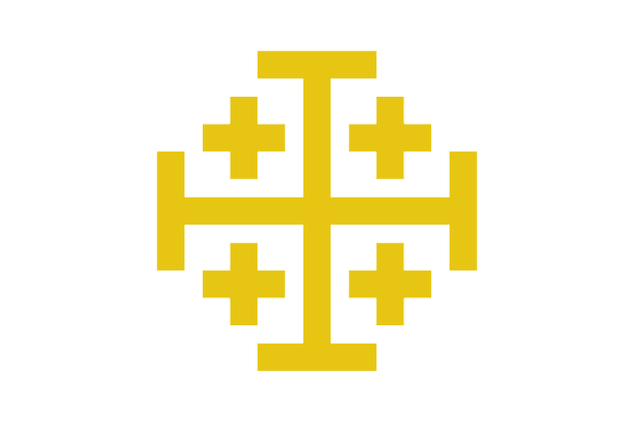
Kingdom of Jerusalem
1099–1187A crusader state founded after the First Crusade, the Kingdom of Jerusalem was a Latin Catholic feudal monarchy, backed by the Templar and Hospitaller military orders, with powerful barons, constant holy war and a Frankish elite over a native majority.
View profile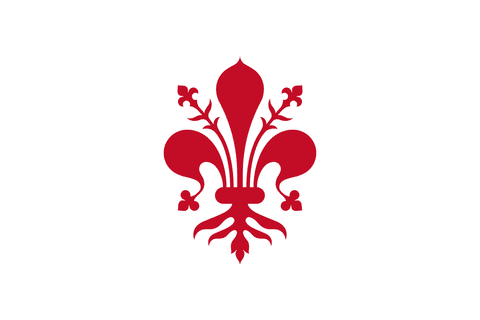
Renaissance Florence
1115–1532A city-state of the Italian Renaissance, Florence united banking and commercial capitalism, factional disputes among guilds and families such as the Medici, and a patronage that revolutionized the arts, letters, and political thought.
View profile
Crown of Aragon
1137–1716A dynastic union of Aragon, Catalonia, and other Mediterranean lands whose constituent realms kept their own laws and assemblies. The Crown expanded through trade and conquest; its institutions were gradually abolished after the War of the Spanish Succession.
View profile
Mongol Empire
1206–1368Founded by Genghis Khan, the Mongol Empire unified steppe tribes, expanded through devastating military campaigns, and ruled diverse peoples through vassalage, tribute, and pragmatic religious tolerance.
View profile
Kingdom of Castile
1230–1715United with León in 1230, Castile expanded across Iberia and later the Americas. The Crown, nobility, and Catholic Church shaped its politics; institutions changed over the nearly five centuries covered here.
View profile
Old Swiss Confederacy
1291–1798Medieval alliance of autonomous cantons formed from the 1291 Pact, the Old Swiss Confederacy operated without a strong central power, combining direct democracy in local assemblies (Landsgemeinde), independent peasant militias, and weak joint military/diplomatic coordination among the cantons.
View profile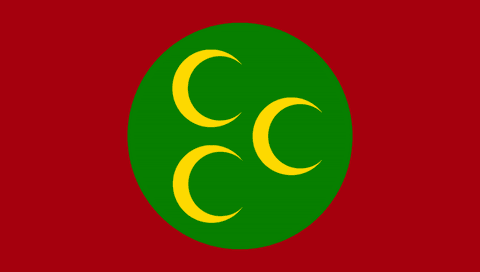
Ottoman Empire
1299–1922A vast Muslim empire, the Ottomans ruled for centuries over lands spanning Europe, Asia, and Africa under the power of the sultan and caliph, uniting religious and political authority with great diversity of peoples and faiths.
View profile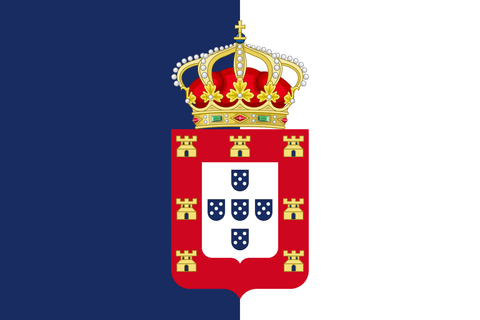
Portuguese Empire
1415–1822The first and longest-lasting of the European colonial empires (1415–1822), it united absolute monarchy, militant Catholicism, and global thalassocracy, carrying Christian faith, language, and Portuguese administration from the Americas to Africa, India, and Asia.
View profile
Early modern era
Monarchies, colonial empires and republics of the early modern era.
Habsburg Spain
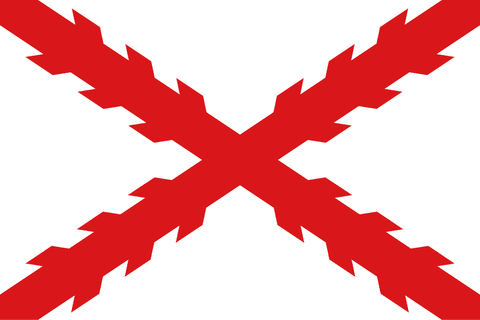
1516–1700Habsburg Spain, especially under Philip II, was a Catholic Counter-Reformation state, marked by the Inquisition, purity-of-blood laws, religious expulsions, and wars defending the faith.
View profile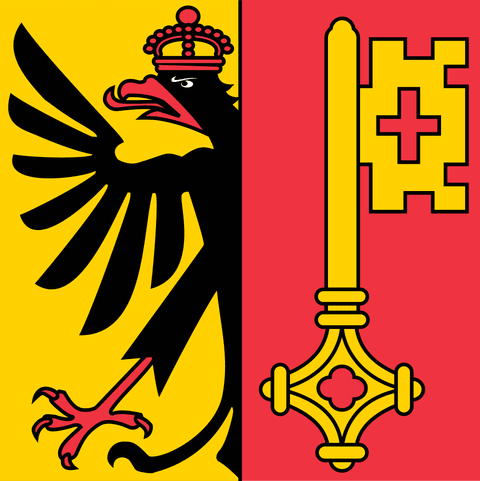
Calvinist Geneva
1541–1564The city of Geneva under Calvin (1541–1564) organized itself as an urban Reformed theocracy, with the Consistory disciplining public morality and the Ordonnances Ecclésiastiques regulating all religious and civil life and exporting Puritanism.
View profile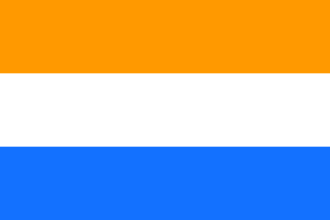
Dutch Republic (United Provinces)
1581–1795A pioneering modern merchant republic, the United Provinces were a confederation governed by a commercial oligarchy, marked by religious tolerance, free trade, and immense naval and financial power at their height.
View profile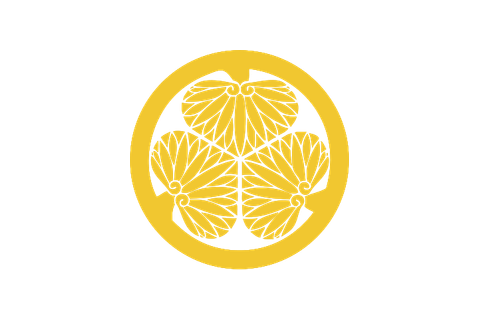
Tokugawa Japan
1603–1868The Tokugawa shogunate pacified Japan after the Sengoku era with a feudal system of domains (bakuhan), a rigid four-class social hierarchy, official Neo-Confucianism, a ban on Christianity and external isolation (sakoku).
View profile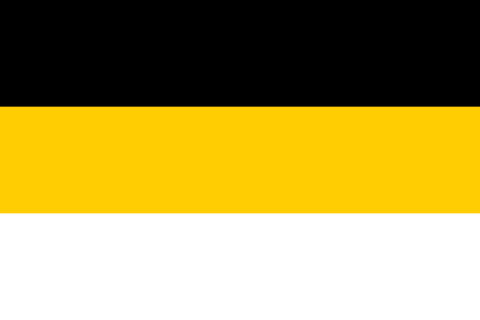
Tsarist Russian Empire
1613–1917The Russian Empire under the Romanovs combined Orthodox Christianity, dynastic autocracy, territorial expansion, and imperial bureaucracy, with the Tsar as political head and defender of the official faith.
View profile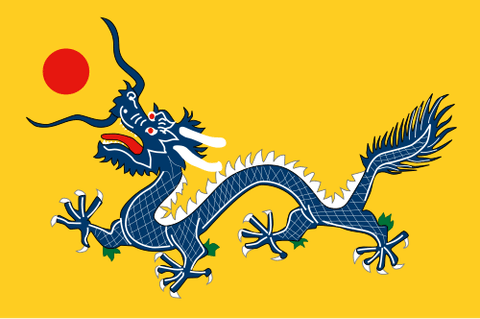
Qing Dynasty China
1644–1912China's last imperial dynasty, founded by the Manchus, the Qing ruled through a Confucian examination bureaucracy, extended the empire to Tibet and Xinjiang, restricted foreign trade to Canton and declined with the Opium Wars and the Taiping Rebellion.
View profile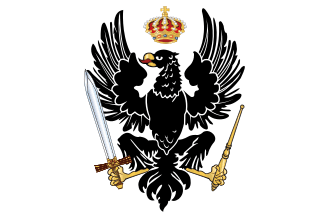
Kingdom of Prussia
1701–1918A German kingdom with a strong military and administrative tradition, Prussia united monarchy, a disciplined bureaucracy, and a powerful army, leading German unification and embodying the cameralist state and enlightened despotism.
View profile
19th century
Empires, newly unified nations and revolutionary experiments of the 19th century.
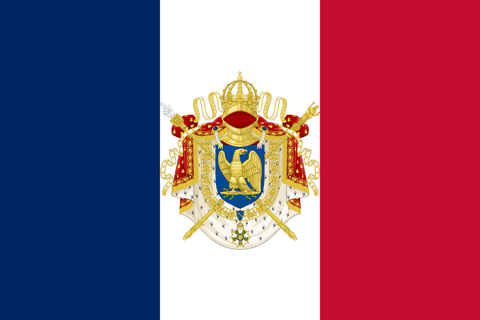
Napoleonic Empire
1804–1815Under Napoleon Bonaparte, the First French Empire concentrated absolute power in the emperor, imposed the Civil Code and a centralized administration across conquered Europe, and sustained its territorial expansion through continuous warfare and a mass-conscription army.
View profile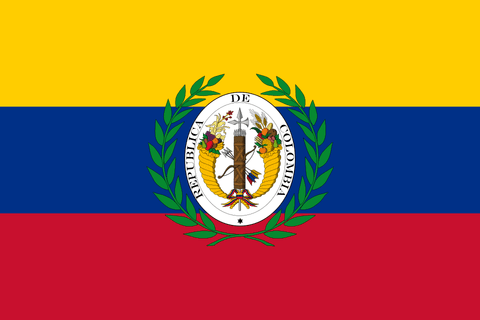
Gran Colombia
1819–1831An ephemeral republic created by Simón Bolívar, Gran Colombia gathered vast territories of northern South America into a centralist, militarized state, which dissolved within a few years due to regional and political rivalries.
View profile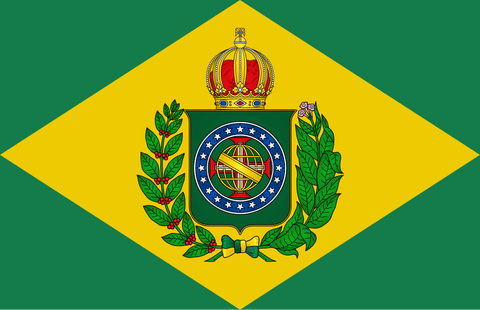
Empire of Brazil
1822–1889The only long-lasting empire in the Americas, imperial Brazil was a parliamentary monarchy under Pedro I and Pedro II, marked by political stability, a slave-based agrarian economy, and strong state centralization.
View profile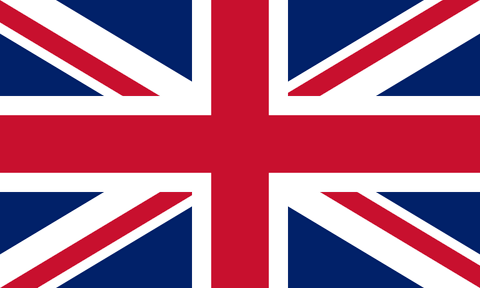
British Empire
1837–1901At its Victorian height, the British Empire was the largest in history, uniting parliamentary monarchy, the industrial revolution, and global colonial rule, with strong commercial, naval, and cultural expansion across the world.
View profile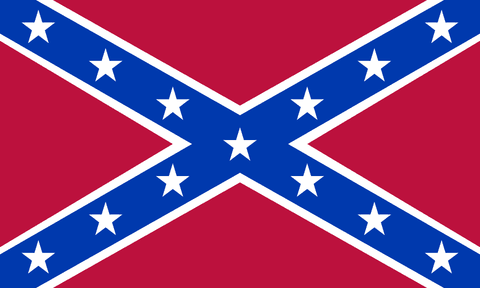
Confederate States of America
1861–1865Formed by the secession of eleven Southern states to preserve slavery, the Confederate States combined radical state confederalism, a traditionalist and religious agrarian society, and free trade, before being defeated in the Civil War.
View profile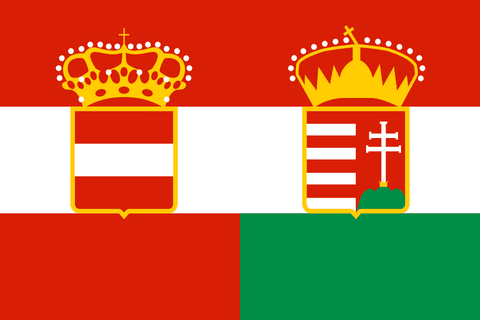
Austro-Hungarian Empire
1867–1918A dual monarchy in Central Europe, the Austro-Hungarian Empire gathered multiple nationalities under the Habsburg dynasty, combining aristocracy, imperial bureaucracy, political Catholicism, and growing nationalist tensions.
View profile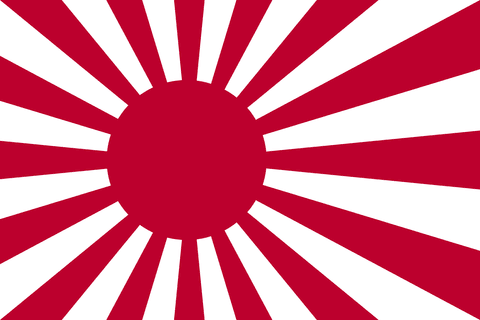
Empire of Japan
1868–1947The Japanese imperial regime of the early 20th century combined sacred monarchy, militarism, accelerated industrialization, expansionist nationalism, and strong social discipline until its defeat in World War II.
View profile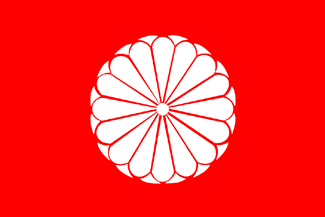
Meiji Japan
1868–1912During the Meiji Era, Japan underwent rapid modernization directed by the emperor, who abolished feudalism, industrialized the country, and created modern institutions, uniting tradition, nationalism, and military ascent.
View profile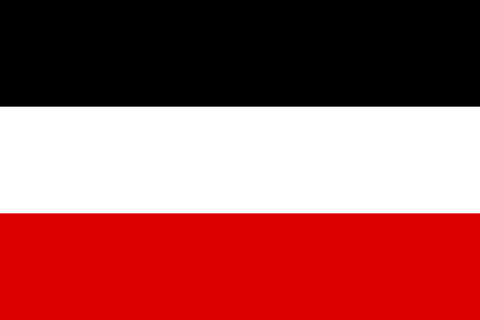
German Empire (Second Reich)
1871–1918The German imperial state from 1871 to 1918 united Prussian-led federalism, limited constitutional monarchy, male suffrage for the Reichstag, strong Kaiser and chancellor authority, rapid industrialization, militarism, and the foreign policy of a rising power.
View profile
Paris Commune
março–maio de 1871The revolutionary government that held Paris for 72 days in 1871, the Commune established direct democracy with recallable mandates, workers' self-management of workshops, separation of Church and state, and equal pay, becoming a symbol of communal socialism.
View profile
20th and 21st centuries
Regimes of the 20th and 21st centuries: totalitarianisms, dictatorships, revolutions and democratic experiments.
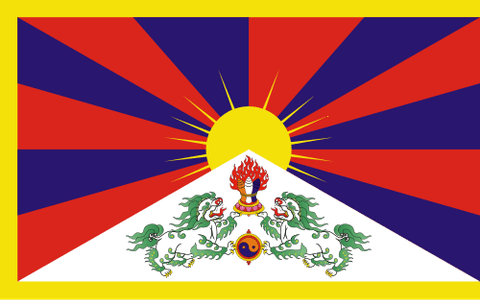
Theocratic Tibet
1913–1950A de facto independent state between the fall of the Qing and the Chinese invasion, Tibet was a Buddhist theocracy ruled by the Dalai Lama, with monasteries and aristocracy owning the land, peasants bound to it and deliberate isolation from the modern world.
View profile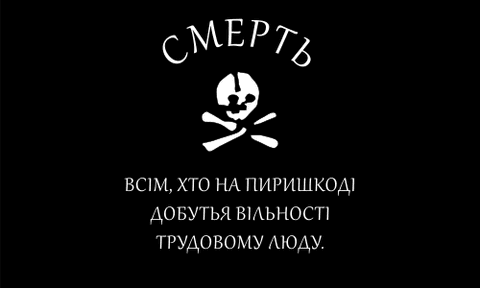
Free Territory (Makhnovshchina)
1918–1921During the Russian Revolution, Makhno's Free Territory was an anarchist experiment in Ukraine, with self-managed peasant communes and popular militias that rejected both the White state and Bolshevik power.
View profile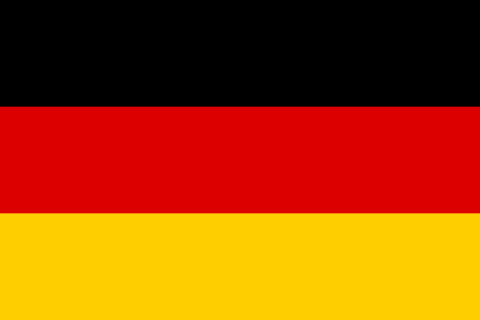
Weimar Republic
1919–1933Germany's first democracy, the Weimar Republic united parliamentarism, proportional representation, and intense cultural life, but was undermined by economic crises and political instability that paved the way for Nazism.
View profile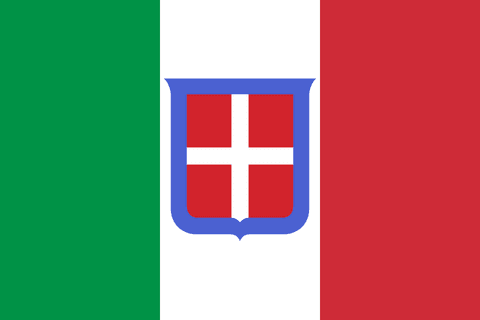
Fascist Italy (Mussolini)
1922–1943The birthplace of fascism, Mussolini's Italy was a totalitarian dictatorship that fused nationalism, a cult of the leader, a corporatist state, and militarism, suppressing opposition and seeking imperial expansion by force.
View profile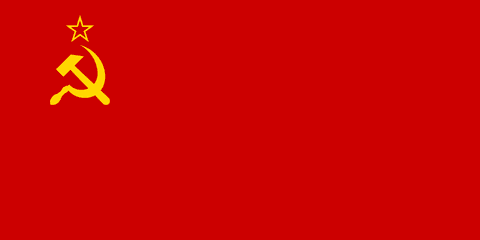
Soviet Union (USSR)
1922–1991The world's first socialist state, the USSR was a single-party federation with a planned economy and centralized power, becoming a global superpower and the pole of communism during the Cold War.
View profile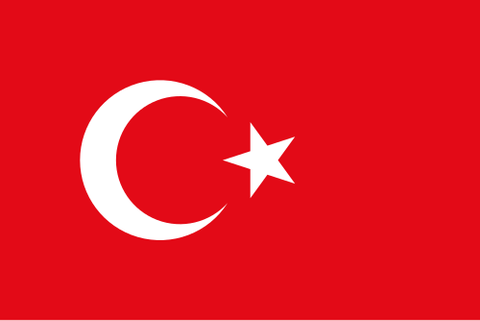
Atatürk's Turkey
1923–1938A republic founded by Mustafa Kemal Atatürk on the ruins of the Ottoman Empire, Kemalist Turkey abolished the caliphate and imposed laicism, the Latin alphabet, women's rights, and economic statism under the single-party CHP.
View profile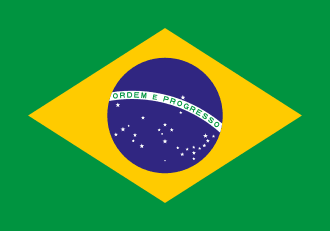
Brazil (Vargas Era)
1930–1945Under Vargas, Brazil experienced a nationalist, developmentalist regime that promoted state-directed industrialization, labor legislation, and the centralization of power, laying the foundations of Brazilian labourism.
View profile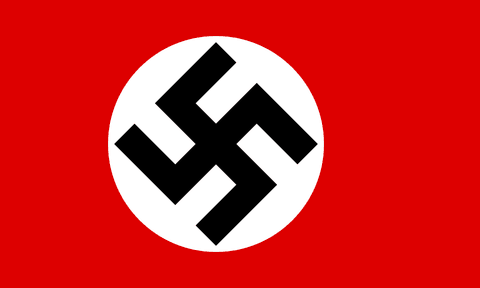
Nazi Germany (Third Reich)
1933–1945A totalitarian regime led by Hitler, the Third Reich imposed a racist, expansionist dictatorship, a cult of the leader, and a police state, being responsible for World War II and the genocide of the Holocaust.
View profile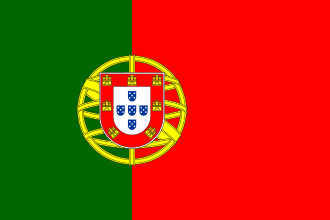
Portugal (Estado Novo)
1933–1974Under Salazar, the Portuguese Estado Novo was a conservative, corporatist dictatorship that united Catholic nationalism, order, and political control without mass mobilization, holding the country and its colonies for decades.
View profile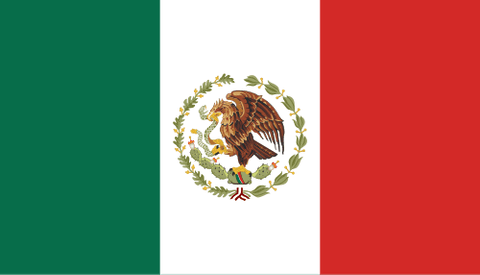
Cárdenas's Mexico
1934–1940Government of the Cardenista peak, marking the institutionalized Mexican Revolution through oil nationalization, ejido land reform, worker-peasant incorporation, popular secularism, and strong presidential leadership.
View profile
Anarchist Aragon and Catalonia
1936–1939During the Spanish Revolution, regions of Aragon and Catalonia lived an anarchist experiment of collectivizing land and factories, with workers' self-management and social organization without a central state.
View profile
Francoist Spain
1939–1975A dictatorship born of the Civil War, Franco's Spain was an authoritarian, Catholic, corporatist regime that united nationalism and political repression and lasted until the democratic transition after the dictator's death.
View profile
Socialist Yugoslavia
1945–1992A socialist federation led by Tito, Yugoslavia adopted workers' self-management and an independent path from Moscow, uniting diverse peoples under a single party until fragmenting into wars in the 1990s.
View profile
Peronist Argentina
1946–1955Under Perón, Argentina experienced a populist, nationalist regime that united strong working-class support, corporatism, industrialization, and the expansion of social rights, leaving a lasting mark on the country's politics.
View profile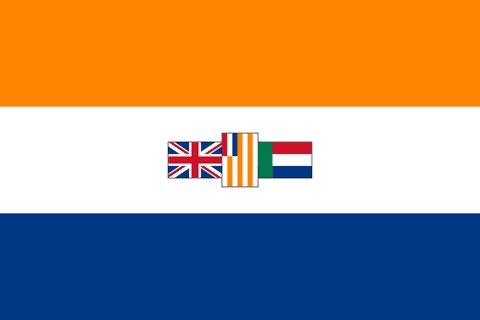
Apartheid South Africa
1948–1994A regime of institutional racial segregation, apartheid South Africa denied rights to the Black majority and concentrated power in the white minority, with separation laws that provoked strong internal resistance and sanctions.
View profile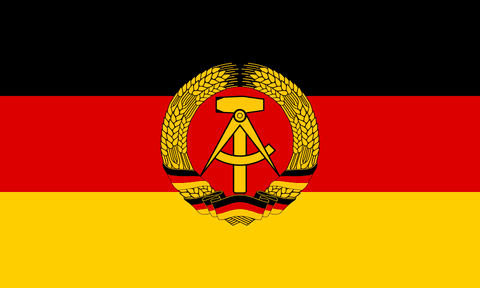
East Germany
1949–1990The German Democratic Republic was a socialist state aligned with the Soviet Union, with single-party rule, an extensive political police, a planned economy, rigid social control, state secularization, and military integration into the Eastern Bloc.
View profile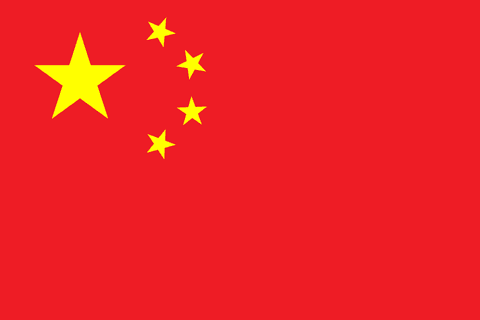
Maoist China
1949–1976Under Mao, revolutionary China was a single-party communist state, with a collectivized economy and permanent mass mobilization, marked by campaigns such as the Great Leap Forward and the Cultural Revolution.
View profile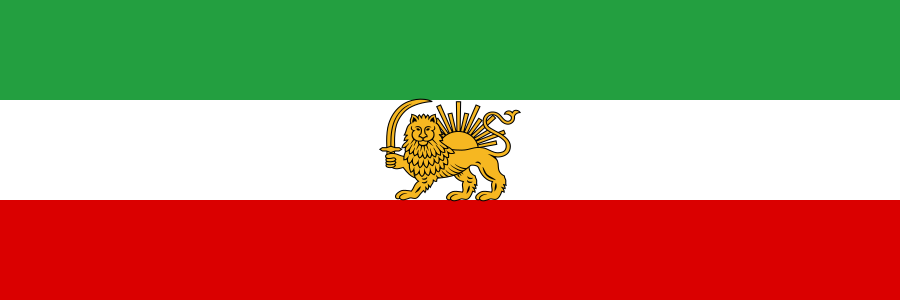
Iran under the Shah
1953–1979Under Mohammad Reza Pahlavi after 1953, Iran combined authoritarian monarchy and political repression with industrialization, land reform, and women's rights in the White Revolution. Allied with the US, it funded development with oil until 1979.
View profile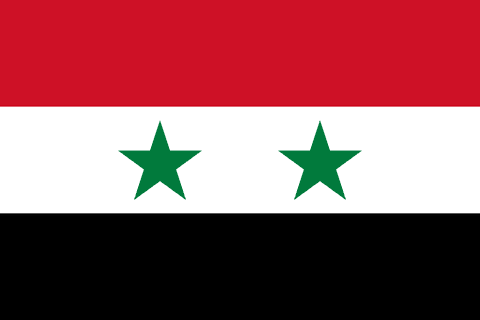
Nasser's Egypt
1954–1970Under Nasser, Egypt was a nationalist, developmentalist republic that nationalized strategic sectors, led pan-Arabism, and united Arab socialism, agrarian reform, and strong leadership in the Middle East.
View profile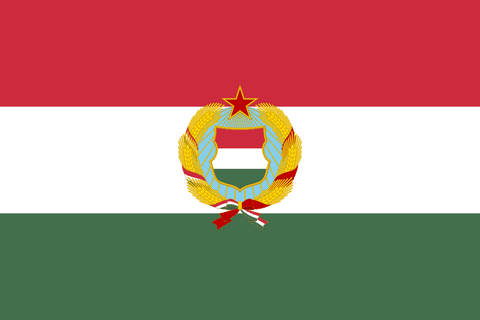
Kádár's Hungary
1956–1989Established after the crushing of the 1956 revolution, Kádár's regime combined single-party rule, Soviet alignment, gradual economic liberalization, a small private sector, and consumer welfare.
View profilePark Chung Hee's South Korea
1961–1979Under Park Chung Hee, South Korea combined military-authoritarian rule, rigid anti-communism, social discipline, and state planning aimed at export-led industrialization, building the major chaebols and preparing the country's technological rise.
View profileBrazil under Military Rule
1964–1985Dictatorship installed in 1964, combining political repression, censorship, and security agencies with state-led developmentalism, major infrastructure projects, market reserves, and conservative moralism during the Cold War.
View profile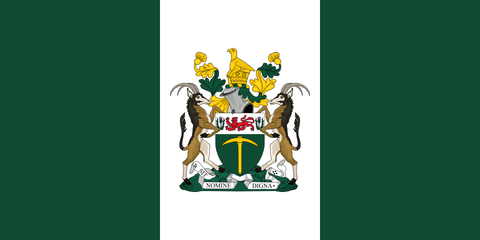
Rhodesia
1965–1979After unilaterally declaring independence from the United Kingdom in 1965, Rhodesia kept power in a white minority through a property-based franchise, sustained an agricultural and mining economy under international sanctions, and fought a long civil war until the transition to Zimbabwe.
View profile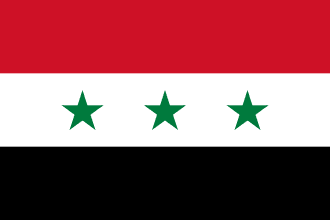
Ba'athist Iraq
1968–2003Ruled by the Ba'ath Party from 1968 to 2003, Iraq combined Arab nationalism, state oil and one-party rule. Under Saddam Hussein, the regime intensified repression, fought wars against Iran and Kuwait, and faced international sanctions.
View profile
Gaddafi's Libya
1969–2011Under Muammar Gaddafi (1969–2011), Libya nationalized oil and proclaimed the Jamahiriya's direct democracy. Power remained concentrated in Gaddafi, backed by revolutionary committees and repression of the opposition.
View profileAllende's Chile
1970–1973Under Allende's Popular Unity, Chile attempted democratic socialism through copper and bank nationalization, agrarian reform, and economic planning until the 1973 military coup.
View profile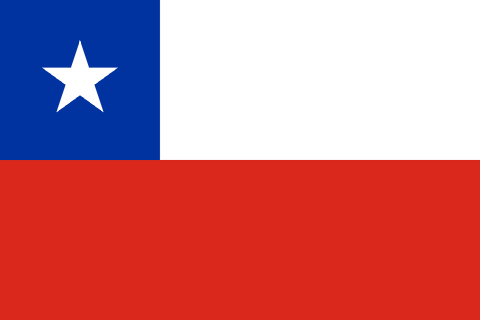
Pinochet's Chile
1973–1990A military dictatorship born of the 1973 coup, Pinochet's Chile united severe political repression with the pioneering adoption of neoliberal free-market reforms, deeply marking the country's economy and memory.
View profile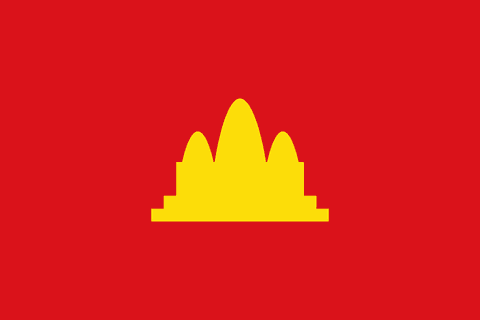
Khmer Rouge Cambodia (Pol Pot)
1975–1979A radical regime led by Pol Pot, the Khmer Rouge imposed extreme agrarian communism, emptied the cities, and abolished money and property, causing one of the greatest genocides of the 20th century in Cambodia.
View profile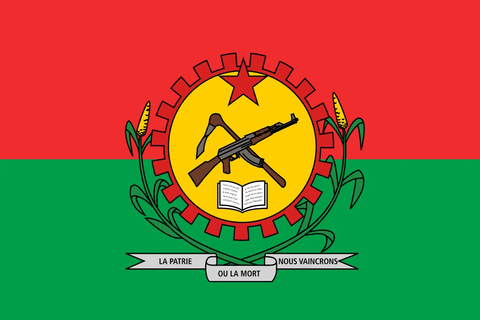
Sankara's Burkina Faso
1983–1987Under Thomas Sankara, Burkina Faso combined food self-sufficiency, mass vaccination and literacy campaigns, women's emancipation, rejection of foreign debt, and a frontal break with French neocolonialism.
View profile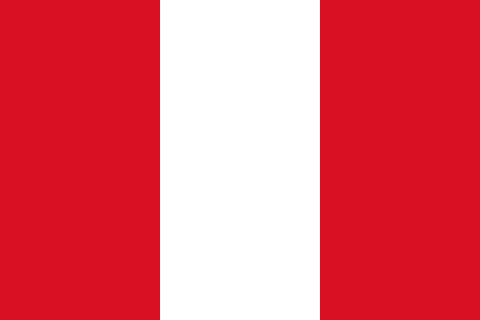
Fujimori's Peru
1990–2000Under Alberto Fujimori, Peru combined a self-coup and the closing of Congress with neoliberal shock reforms, privatisations and trade liberalisation, alongside a dirty war against the Shining Path marked by massacres and forced sterilisations.
View profile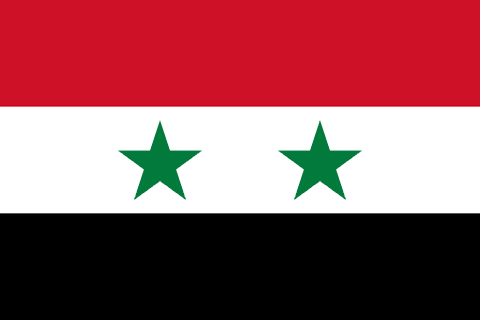
Assad's Syria
2000–2024Under Bashar al-Assad (2000–2024), Syria was a centralized Ba'athist regime sustained by security forces, a clientelist state economy, and alliances with Russia and Iran during the civil war.
View profile
No country found
Try another term or clear the filters.