Home / Countries / Washington, D.C. (United States)

Federal-institutional districtModern country

Washington, D.C. (United States)

The capital of the United States, Washington concentrates federal power and government institutions, with the strong weight of the public machine, a globalist orientation, and a central role in the country's diplomacy and military power.

Predominant spectrum
Right
Linked ideology
Atlanticism
Closest personality
Mark Carney
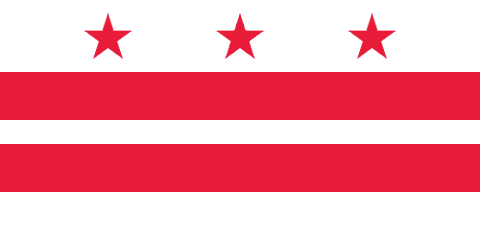
Flag: Washington, D.C. (United States)

Political axes

Profile across the 12 axes

  • Structure

    Leaning · Federal
    Federal65%
    Unitary35%
  • Representation

    Strong · Democracy
    Democracy76%
    Autocracy24%
  • Power

    Balanced
    Security50%
    Liberty50%
  • Immigration

    Balanced
    Assimilation46%
    Multiculturalism54%
  • Diplomacy

    Leaning · Militarist
    Militarist71%
    Pacifist29%
  • Intervention

    Strong · Nationalist
    Non-interventionist25%
    Nationalist75%
  • Economy

    Leaning · Private
    Public31%
    Private69%
  • Control

    Leaning · Free market
    Planning43%
    Free market58%
  • Trade

    Leaning · Globalism
    Protectionism43%
    Globalism58%
  • Religion

    Balanced
    Irreligious54%
    Religious46%
  • Morality

    Leaning · Progressive
    Progressive60%
    Traditionalist40%
  • Technology

    Leaning · Technology
    Technology61%
    Biology39%

What sets Washington, D.C. (United States) apart

Most unusual position

Structure

Leans further toward federal than 80% of the 185 countries and regimes in the catalog.

Country median 29Washington, D.C. (United States) 65

Of all the axes, Structure is where it stands furthest from the rest.

Most common position

Trade

On Trade, it sits practically at the catalog median.

Country median 46Washington, D.C. (United States) 43

Here it shares common ground with most countries.