Home / Countries / Theocratic Tibet

Buddhist theocracyHistorical regime · 1913–1950

Theocratic Tibet

A de facto independent state between the fall of the Qing and the Chinese invasion, Tibet was a Buddhist theocracy ruled by the Dalai Lama, with monasteries and aristocracy owning the land, peasants bound to it and deliberate isolation from the modern world.

Predominant spectrum
Far-Right
Linked ideology
Buddhist Theocracy
Closest personality
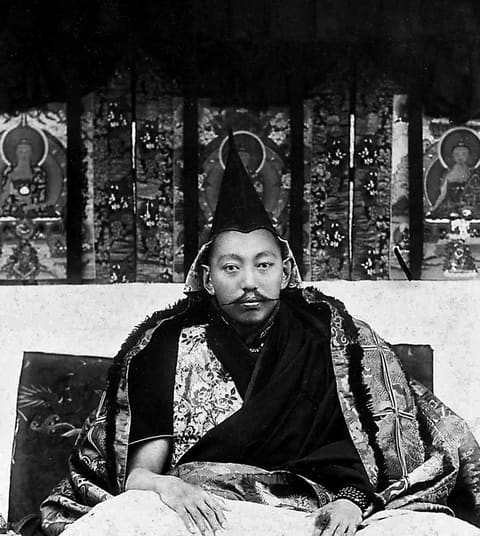
13th Dalai Lama (Thubten Gyatso)
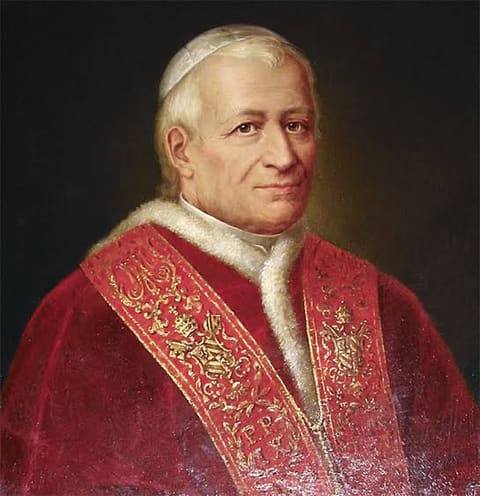
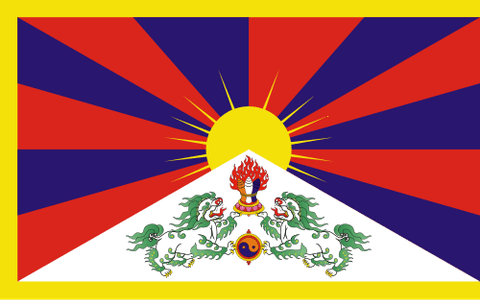
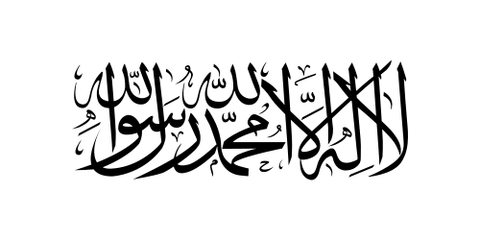
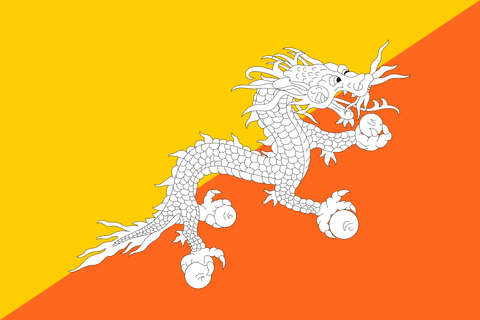
Flag: Theocratic Tibet

Political axes

Profile across the 12 axes

  • Structure

    Balanced
    Federal47%
    Unitary53%
  • Representation

    Strong · Autocracy
    Democracy13%
    Autocracy87%
  • Power

    Strong · Security
    Security75%
    Liberty26%
  • Immigration

    Very strong · Assimilation
    Assimilation94%
    Multiculturalism6%
  • Diplomacy

    Leaning · Pacifist
    Militarist31%
    Pacifist69%
  • Intervention

    Strong · Non-interventionist
    Non-interventionist73%
    Nationalist27%
  • Economy

    Strong · Private
    Public23%
    Private77%
  • Control

    Leaning · Free market
    Planning34%
    Free market66%
  • Trade

    Strong · Protectionism
    Protectionism84%
    Globalism16%
  • Religion

    Very strong · Religious
    Irreligious2%
    Religious98%
  • Morality

    Strong · Traditionalist
    Progressive21%
    Traditionalist79%
  • Technology

    Very strong · Biology
    Technology9%
    Biology91%

What sets Theocratic Tibet apart

Most unusual position

Technology

Leans further toward biology than 99% of the 185 countries and regimes in the catalog.

Country median 54Theocratic Tibet 9

Of all the axes, Technology is where it stands furthest from the rest.

Most common position

Power

On Power, it sits close to the catalog median.

Country median 68Theocratic Tibet 75

Here it shares common ground with most countries.