Home / Personalities / Dwight D. Eisenhower

General and statesmanPolitics1890–1969

Dwight D. Eisenhower

Supreme commander of Allied forces in World War II and later President of the United States (1953–1961), Eisenhower expanded the interstate highway system, pursued containment of communism through diplomatic and intelligence means, and warned in his farewell address against the power of the 'military-industrial complex.'

Closest spectrum
Center
Closest ideology
Conservative Centrism
Closest personality
Sérgio Moro
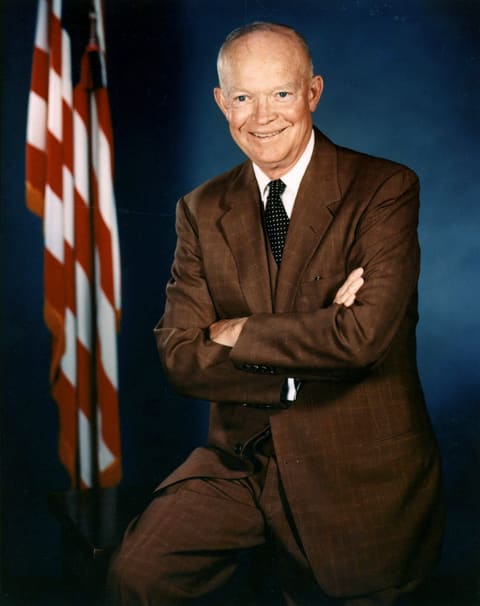
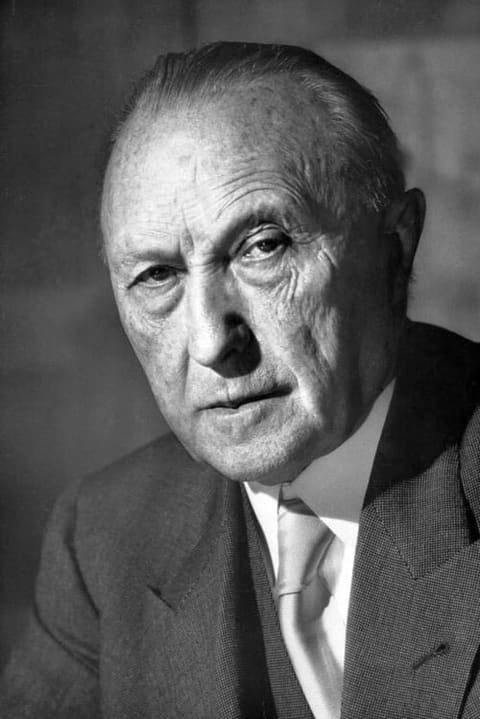
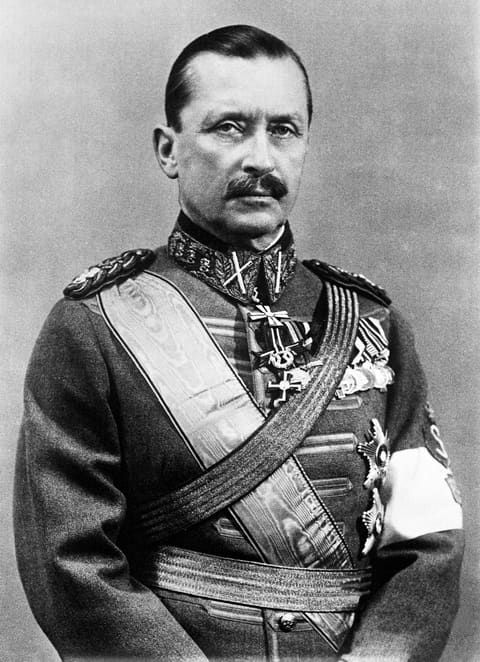
Portrait of Dwight D. Eisenhower
Wikimedia Commons / Wikipédia

Political axes

Profile across the 12 axes

  • Structure

    Leaning · Unitary
    Federal38%
    Unitary63%
  • Representation

    Leaning · Democracy
    Democracy59%
    Autocracy41%
  • Power

    Leaning · Security
    Security63%
    Liberty38%
  • Immigration

    Leaning · Assimilation
    Assimilation63%
    Multiculturalism38%
  • Diplomacy

    Balanced
    Militarist46%
    Pacifist54%
  • Intervention

    Balanced
    Non-interventionist54%
    Nationalist46%
  • Economy

    Balanced
    Public44%
    Private56%
  • Control

    Leaning · Free market
    Planning39%
    Free market61%
  • Trade

    Leaning · Globalism
    Protectionism40%
    Globalism60%
  • Religion

    Leaning · Religious
    Irreligious33%
    Religious68%
  • Morality

    Balanced
    Progressive44%
    Traditionalist56%
  • Technology

    Leaning · Technology
    Technology61%
    Biology39%

What sets Dwight D. Eisenhower apart

Most unusual position

Control

Dwight D. Eisenhower leans further toward free market than 73% of the 416 personalities in the catalog.

Personality median 61Dwight D. Eisenhower 39

Of all the axes, Control is where Dwight D. Eisenhower stands furthest from the rest.

Most common position

Representation

On Representation, Dwight D. Eisenhower sits practically at the catalog median.

Personality median 58Dwight D. Eisenhower 59

Here they share common ground with most personalities.