Third Way
1990s renewal of the center-left under Blair, Clinton and Giddens that accepts globalized markets and fiscal discipline, replaces welfare with work activation, is tough on crime and backs liberal interventions.
Home / Ideologies / Third Way
1990s renewal of the center-left under Blair, Clinton and Giddens that accepts globalized markets and fiscal discipline, replaces welfare with work activation, is tough on crime and backs liberal interventions.
In one sentence
I want a globalized market with a state that invests in education, trades welfare for work, and is tough on crime and its causes.
Political axes
Leans further toward globalism than 81% of the 243 ideologies in the catalog.
Of all the axes, Trade is where it stands furthest from the rest.
On Power, it sits close to the catalog median.
Here it shares common ground with most ideologies.
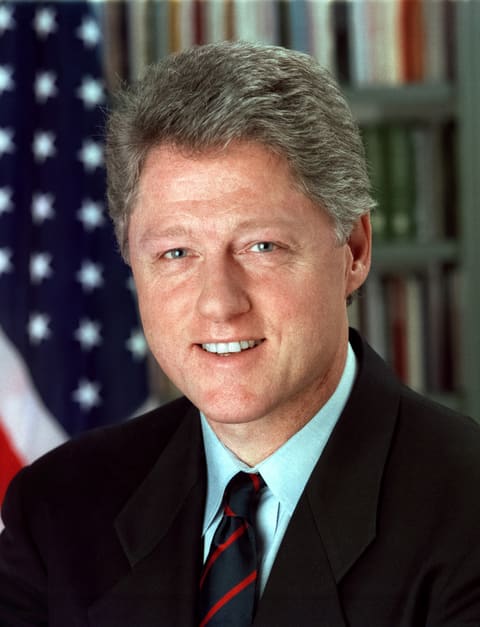
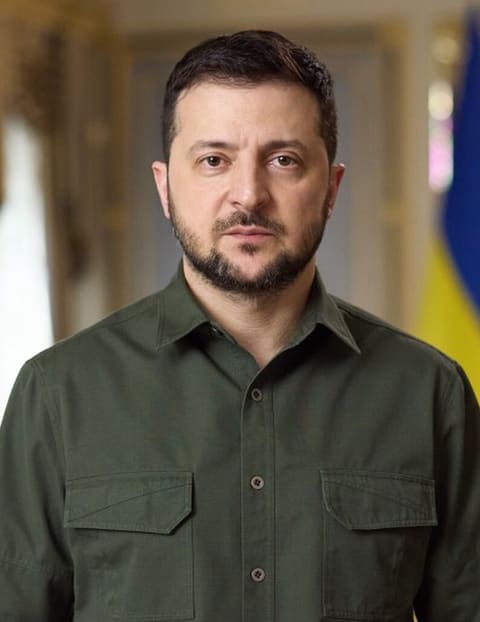
President of the United States (1993–2001), Clinton promoted a 'Third Way' combining fiscal discipline and welfare reform with investment in education and technology, liberalized trade through NAFTA and China's WTO accession, and oversaw a period of strong economic growth despite being impeached over a personal scandal.
Closest, by dimension

Other compatible profiles






The most distant
Reference country

A parliamentary monarchy, the United Kingdom has a long liberal and democratic tradition, a market economy, and a strong financial sector, maintaining global influence after leaving the European Union in the process known as Brexit.
Other close countries
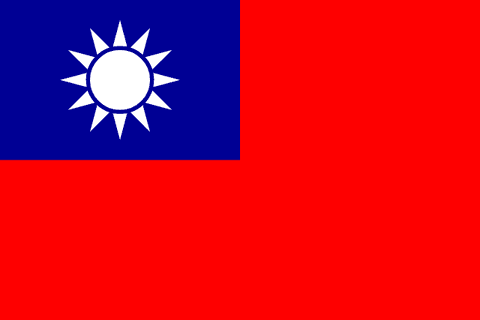
An island presidential republic, Taiwan is a vibrant democracy and global technology hub, especially semiconductors, living under constant military threat from China, and is Asia's pioneer in progressive causes such as marriage equality.
Also close, by dimension


The most distant
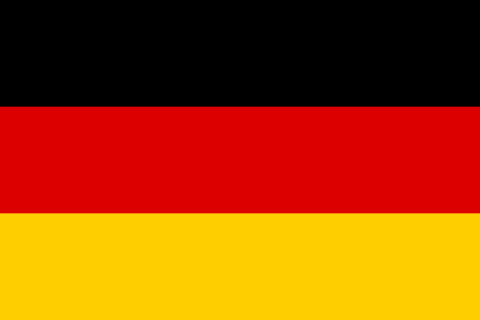
Germany's first democracy, the Weimar Republic united parliamentarism, proportional representation, and intense cultural life, but was undermined by economic crises and political instability that paved the way for Nazism.
Also close, by dimension

The most distant
Ideological proximity
Closest within Center
Militant democracy doctrine, authorizing a democratic state to restrict the enemies of democracy itself by banning anti-system parties, monitoring extremists and maintaining conscription and reinforced security to defend the constitutional order.
The Jewish national movement founded by Theodor Herzl in 1897, which sought a Jewish state in the Land of Israel as a response to antisemitism and led to the creation of Israel in 1948, uniting nation, the Hebrew language, and return to the ancestral land.
German liberal school that defends the free market within firm rules guaranteed by the state, fighting monopolies and ensuring competition and stability, serving as the basis of the social market economy.
Closest in other spectrums
Geopolitical doctrine of the alliance between the US, Canada and Europe around NATO and the EU, which backs the alliance's eastward expansion and the use of Western military power to spread liberal democracy and free markets against Russia and China.
Scandinavian model combining tripartite collective bargaining among unions, employers and the state, a universalist welfare state funded by high taxes, and an open, export-driven market economy, with strong social consensus and low inequality.
Right-wing progressive branch that unites capitalism and the cult of technological progress with a socially progressive, pragmatic, and secular culture, entrusting society's direction to a technical elite rather than mass democracy.
The most distant ideology
Clerical FascismThird Position41%