Technocracy
Model of government in which decisions are made by experts and technical, scientific criteria, entrusting engineers, economists, and scientists with the rational and efficient management of the state and the economy.
Home / Ideologies / Technocracy
Model of government in which decisions are made by experts and technical, scientific criteria, entrusting engineers, economists, and scientists with the rational and efficient management of the state and the economy.
In one sentence
I want a society run by experts, with technical decisions replacing political bargaining and a planned economy guided by scientific criteria.
Political axes
Leans further toward progressive than 72% of the 243 ideologies in the catalog.
Of all the axes, Morality is where it stands furthest from the rest.
On Diplomacy, it sits practically at the catalog median.
Here it shares common ground with most ideologies.
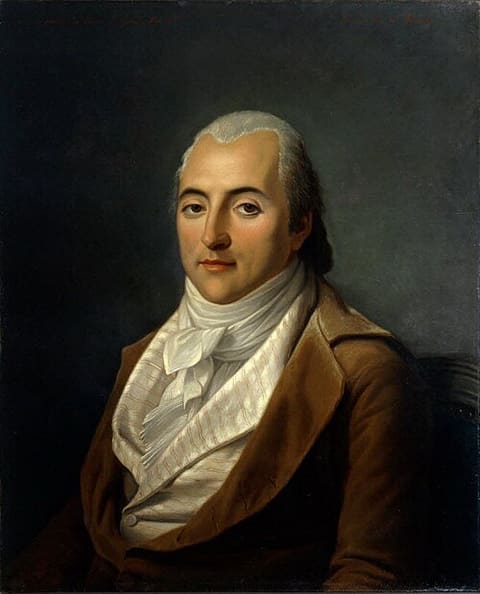
A precursor of technocracy, Saint-Simon proposed an industrial society governed by scientists, engineers, and producers instead of politicians and aristocrats, influencing later socialism and positivism.
Closest, by dimension


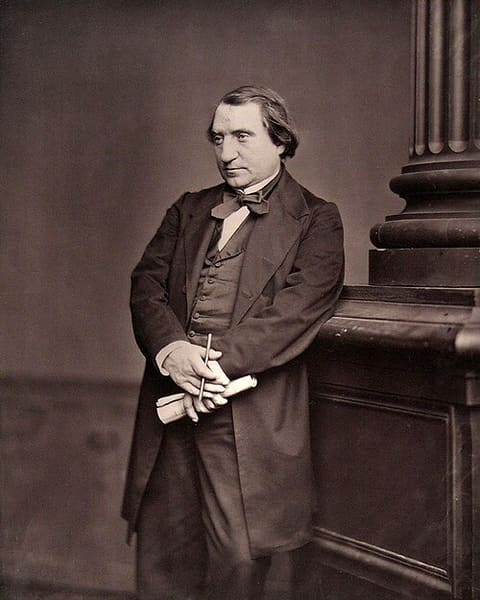
Other compatible profiles


The most distant
Reference country

An Asian city-state, Singapore is a parliamentary republic dominated by a single party, combining open capitalism, efficient technocratic management, strict order, and limited political freedoms in the name of progress.
Other close countries

An island presidential republic, Taiwan is a vibrant democracy and global technology hub, especially semiconductors, living under constant military threat from China, and is Asia's pioneer in progressive causes such as marriage equality.
Also close, by dimension



The most distant

Germany's first democracy, the Weimar Republic united parliamentarism, proportional representation, and intense cultural life, but was undermined by economic crises and political instability that paved the way for Nazism.
Also close, by dimension


The most distant
Ideological proximity
Closest within Center
Political stance that judges proposals by the practical results they produce rather than fidelity to an ideological dogma, combining market measures, regulation, and social policy according to evidence and each problem's context.
Current of Brazil's PSDB, founded in 1988 by Covas, Montoro and Cardoso, joining a market economy, social state, state reform and fiscal responsibility with parliamentarism and moderation on social issues.
Current inspired by Auguste Comte that trusts science and reason to organize society, defending order, progress, and technical administration guided by knowledge in place of metaphysics and tradition.
Closest in other spectrums
Current inspired by John Maynard Keynes that accepts markets and liberal democracy but gives the state the task of managing demand, with countercyclical public spending, full employment as a goal and a mixed economy.
Right-wing progressive branch that unites capitalism and the cult of technological progress with a socially progressive, pragmatic, and secular culture, entrusting society's direction to a technical elite rather than mass democracy.
Scandinavian model combining tripartite collective bargaining among unions, employers and the state, a universalist welfare state funded by high taxes, and an open, export-driven market economy, with strong social consensus and low inequality.
The most distant ideology
FeudalismFar-Right38%