Socratism
Socrates' dialectical method, examining beliefs through rational questioning and the pursuit of virtue, distrustful of mass politics and the rhetoric of demagogues, yet respectful of the city's rule of law.
Home / Ideologies / Socratism
Socrates' dialectical method, examining beliefs through rational questioning and the pursuit of virtue, distrustful of mass politics and the rhetoric of demagogues, yet respectful of the city's rule of law.
In one sentence
I want a city that examines its beliefs through rational dialogue and seeks virtue, wary of demagogues but obedient to the polis's laws.
Political axes
Leans further toward biology than 79% of the 243 ideologies in the catalog.
Of all the axes, Technology is where it stands furthest from the rest.
On Power, it sits practically at the catalog median.
Here it shares common ground with most ideologies.
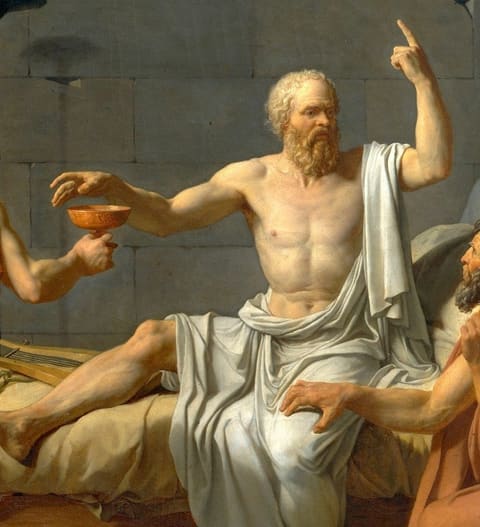
Athenian philosopher, Socrates created the dialectical method of questioning to examine beliefs and pursue virtue, distrusted mass politics and the rhetoric of demagogues, and was executed for corrupting the youth.
Closest, by dimension
Other compatible profiles
The most distant
Reference country
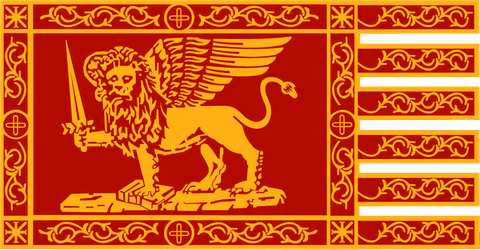
A powerful medieval merchant republic, Venice was governed by a commercial oligarchy that dominated Mediterranean trade, uniting stable institutions, a strong navy, and immense economic power for centuries.
Other close countries
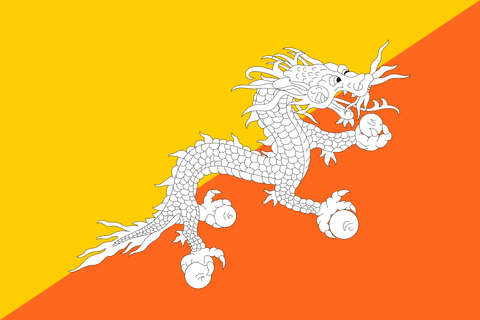
A small Himalayan kingdom, Bhutan combines a Buddhist constitutional monarchy, strong protection of traditional culture and nature, and Gross National Happiness as its compass of government, with cautious openness to the outside world.
Also close, by dimension
The most distant
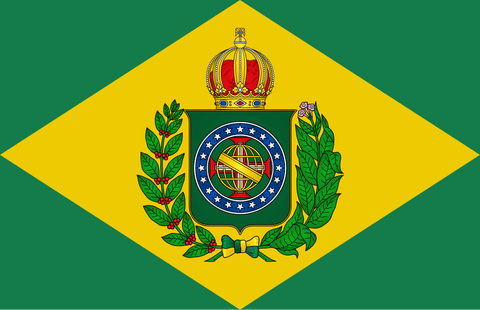
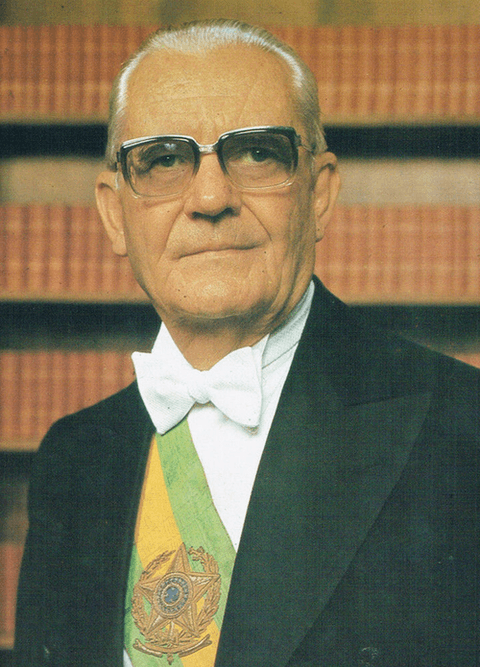
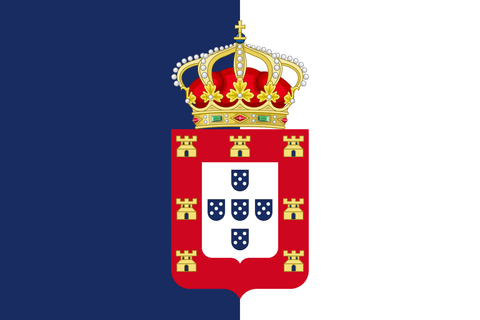
The only long-lasting empire in the Americas, imperial Brazil was a parliamentary monarchy under Pedro I and Pedro II, marked by political stability, a slave-based agrarian economy, and strong state centralization.
Also close, by dimension
The most distant
Ideological proximity
Closest within Center
Current that links environmental protection to national sovereignty, prioritizing the protection of the country's own natural resources and land and sustainable development within national borders.
Position that opposes genetic manipulation and the technological enhancement of the human body, defending ethical limits on science in the name of dignity, human nature, and prudence toward the future.
Defense of monarchy as a symbol of unity and continuity, with the king subject to the constitution and parliament, uniting tradition and institutional stability with representative democracy and the rule of law.
Closest in other spectrums
Social doctrine of the Catholic Church, combining traditionalist morality and defense of life with concern for social justice, subsidiarity and worker dignity, under the hierarchical authority of the papacy and canon law.
Conservative tradition that accepts social reforms and protection for the poorest to preserve national cohesion, seeing elites as responsible for the people's welfare and for harmony between classes.
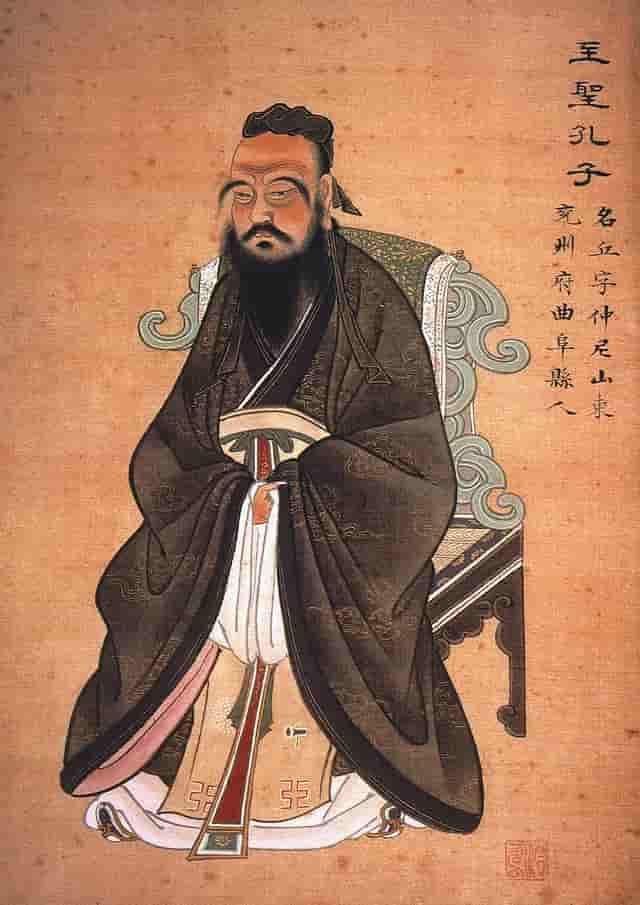
Doctrine that grounds political order in the ruler's virtue, ritual hierarchy and filial piety, favouring bureaucratic merit and moral education over coercive law or popular participation.
The most distant ideology
Crypto-AnarchismLibertarian32%