Pol Pot Socialism
Radical agrarian communism of the Khmer Rouge that emptied cities, abolished money and markets, and pursued an egalitarian peasant society by force, causing one of the greatest genocides of the 20th century in Cambodia.
Home / Ideologies / Pol Pot Socialism
Radical agrarian communism of the Khmer Rouge that emptied cities, abolished money and markets, and pursued an egalitarian peasant society by force, causing one of the greatest genocides of the 20th century in Cambodia.
In one sentence
I want an egalitarian peasant society, without cities, money or markets, rebuilt by force under the revolutionary Angkar.
Political axes
Leans further toward biology than 98% of the 243 ideologies in the catalog.
Of all the axes, Technology is where it stands furthest from the rest.
On Morality, it sits practically at the catalog median.
Here it shares common ground with most ideologies.
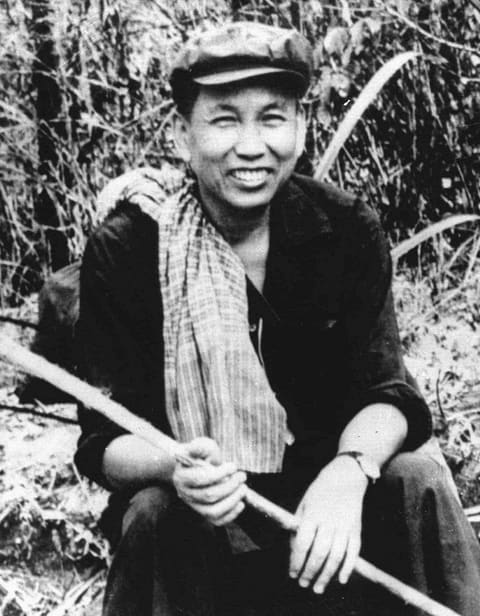
Leader of the Khmer Rouge in Cambodia, Pol Pot imposed radical agrarian communism that emptied the cities and abolished property, causing one of the greatest genocides of the 20th century in the name of a peasant utopia.
Closest, by dimension
Other compatible profiles

The most distant
Reference country
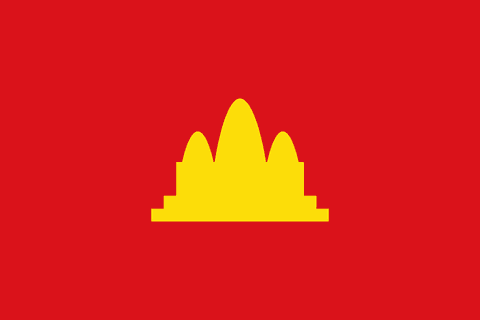
A radical regime led by Pol Pot, the Khmer Rouge imposed extreme agrarian communism, emptied the cities, and abolished money and property, causing one of the greatest genocides of the 20th century in Cambodia.
Other close countries
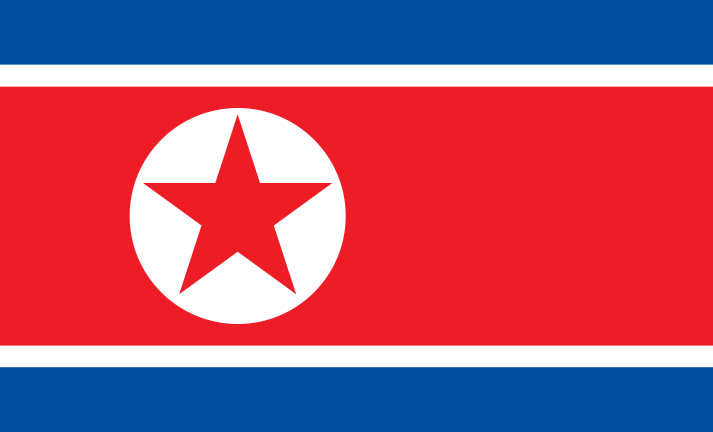
A totalitarian single-party state, North Korea maintains a planned economy, international isolation, and a cult of the Kim dynasty, uniting communism, nationalism, and the self-reliance doctrine known as Juche.
Also close, by dimension

The most distant
A radical regime led by Pol Pot, the Khmer Rouge imposed extreme agrarian communism, emptied the cities, and abolished money and property, causing one of the greatest genocides of the 20th century in Cambodia.
Also close, by dimension


The most distant
Ideological proximity
Closest within Radical Left
Revolutionary model that idealizes peasant life and collective rural production, rejecting cities, markets, and private property in favor of an equality imposed by state mobilization and communal discipline.
North Korean doctrine formulated by Kim Il-sung that combines state socialism, national self-reliance, single-party rule, a cult of the leader, militarization, and rejection of external dependence, subordinating economy and society to the regime's sovereignty.
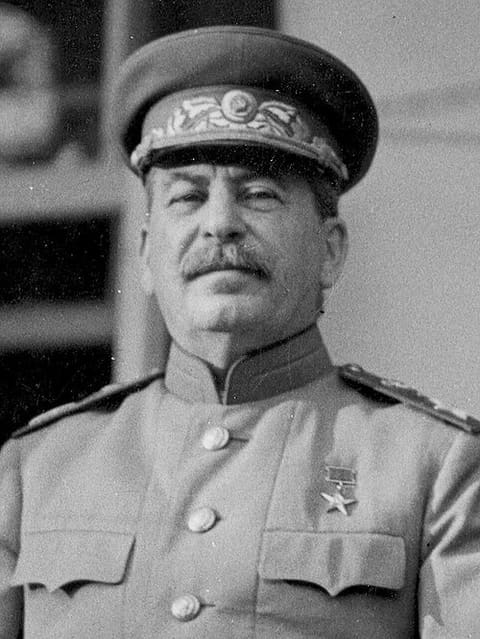
Soviet model consolidated by Stalin, marked by forced industrialization, agrarian collectivization, rigid central planning, a cult of the leader, and mass repression against real or suspected opponents of the regime.
Closest in other spectrums
Regime that fuses fascism's authoritarian aesthetics and hierarchy, with a strong leader, order and national discipline, to a socialist economy of collectivization, nationalized enterprise and central planning of the means of production.
Plato's political philosophy, entrusting the city's government to a philosophical elite formed by virtue and knowledge, with strong control over education, property and customs in the name of justice and social harmony.
Syncretic ideology, also called NazBol, that fuses revolutionary socialism and radical nationalism, combining a collectivist economy, state authoritarianism, and rejection of liberalism, the West, and bourgeois individualism.
The most distant ideology
FederalismCenter28%