Market Socialism
System in which collectively or publicly owned enterprises compete in markets, uniting the efficiency of competition with the socialist distribution of profits, without the rigid central planning of state economies.
Home / Ideologies / Market Socialism
System in which collectively or publicly owned enterprises compete in markets, uniting the efficiency of competition with the socialist distribution of profits, without the rigid central planning of state economies.
In one sentence
I want collectively owned firms competing in markets, uniting the efficiency of competition with the socialist distribution of profits, without rigid central planning.
Political axes
Leans further toward progressive than 79% of the 243 ideologies in the catalog.
Of all the axes, Morality is where it stands furthest from the rest.
On Trade, it sits practically at the catalog median.
Here it shares common ground with most ideologies.

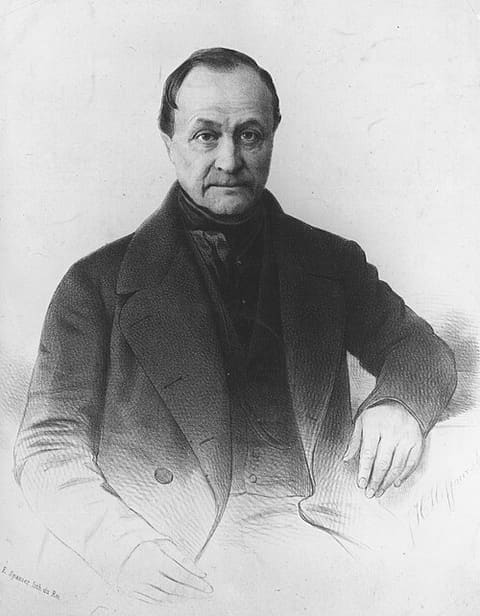
A Polish economist, Lange championed market socialism, arguing that planning could simulate prices and allocate resources efficiently, in the famous socialist calculation debate.
Closest, by dimension


Other compatible profiles








The most distant
Reference country

A socialist federation led by Tito, Yugoslavia adopted workers' self-management and an independent path from Moscow, uniting diverse peoples under a single party until fragmenting into wars in the 1990s.
Other close countries

A South American presidential federal republic, Argentina swings between Peronism and liberal reforms, with strong unions, public universities and healthcare, a protectionist tradition, farm exports, advanced civil rights and recurring inflation crises.
Also close, by dimension



The most distant

Under Allende's Popular Unity, Chile attempted democratic socialism through copper and bank nationalization, agrarian reform, and economic planning until the 1973 military coup.
Also close, by dimension



The most distant
Ideological proximity
Closest within Left
Current that seeks to reconcile capitalism and social justice through democracy, defending regulated markets, a strong welfare state, labor rights, and redistribution to reduce social inequalities.
Current that advocates social reforms and the expansion of rights to promote equality and justice, trusting progress, science, and collective action to transform institutions and overcome inequalities.
Branch that seeks concrete social results by negotiating with the market and existing institutions, prioritizing responsible fiscal austerity, targeted social policy, and governability over revolutionary ideological purity.
Closest in other spectrums
Nationalism based on citizenship and shared values rather than ethnicity, defining the nation by adherence to common laws and institutions, open to all who accept its democratic and civic principles.
Political tradition that values popular sovereignty, civic virtue, and the rule of law, defending citizens' self-government, the separation of powers, and protection against tyranny and the corruption of power.
Centrist branch that prioritizes sustainability, gradual energy transition, environmental regulation, and technological prudence, seeking to reconcile climate protection, markets, and democratic institutions without anti-capitalist rupture.
The most distant ideology
Authoritarian NeoliberalismRight29%