Brazilian Social Democracy
Current of Brazil's PSDB, founded in 1988 by Covas, Montoro and Cardoso, joining a market economy, social state, state reform and fiscal responsibility with parliamentarism and moderation on social issues.
Home / Ideologies / Brazilian Social Democracy
Current of Brazil's PSDB, founded in 1988 by Covas, Montoro and Cardoso, joining a market economy, social state, state reform and fiscal responsibility with parliamentarism and moderation on social issues.
In one sentence
I want a parliamentary democracy with stable money, balanced books, regulated privatizations and a lean state that looks after health and schooling.
Political axes
Leans further toward globalism than 79% of the 243 ideologies in the catalog.
Of all the axes, Trade is where it stands furthest from the rest.
On Religion, it sits close to the catalog median.
Here it shares common ground with most ideologies.

Opposition leader stripped of his mandate by the dictatorship and founder of the PSDB, Covas called for a capitalism shock in the 1989 campaign and, as governor of São Paulo, pursued fiscal adjustment, privatizations and concessions with a social democratic, ethical message.
Closest, by dimension


Other compatible profiles



The most distant
Reference country
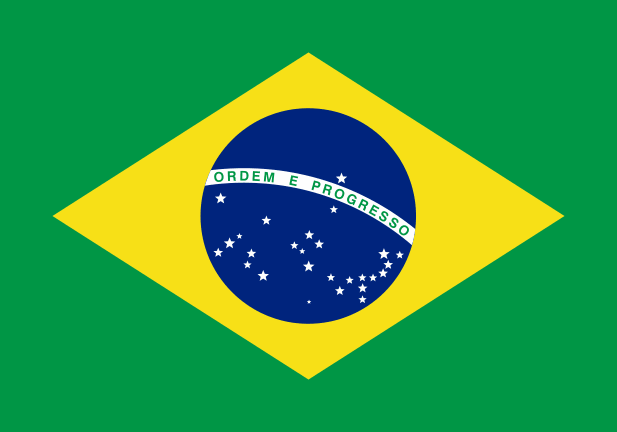
The largest country in Latin America, Brazil is a democratic presidential federal republic with a mixed economy, broad social policies, and strong regional, cultural, and political diversity that shapes its electoral disputes.
Other close countries

A South American presidential republic, Chile combines stable democracy, an open market economy, and a strong social and progressive agenda, a legacy of redemocratization after Pinochet's military dictatorship.
Also close, by dimension

The most distant
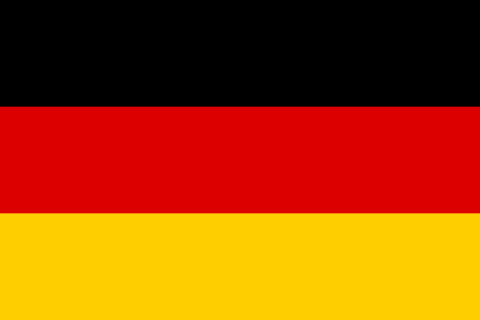
Germany's first democracy, the Weimar Republic united parliamentarism, proportional representation, and intense cultural life, but was undermined by economic crises and political instability that paved the way for Nazism.
Also close, by dimension

The most distant
Ideological proximity
Closest within Center
Reformist current that reinterprets Islam in light of reason, human rights and pluralism, advocating democracy, gender equality, a non-confessional state and freedom of conscience, in Muhammad Abduh's modernist tradition.
Principle according to which positions and rewards should be distributed by talent, effort, and performance rather than origin or privilege, defending equal opportunity and selection by ability.
Centrist branch that prioritizes sustainability, gradual energy transition, environmental regulation, and technological prudence, seeking to reconcile climate protection, markets, and democratic institutions without anti-capitalist rupture.
Closest in other spectrums
Scandinavian model combining tripartite collective bargaining among unions, employers and the state, a universalist welfare state funded by high taxes, and an open, export-driven market economy, with strong social consensus and low inequality.
Branch that combines individual freedoms with strong state action to guarantee welfare, education, and healthcare, defending equal opportunity and social security within the market economy.
Liberal current that accepts an active role for the state in the economy and in guaranteeing rights, combining individual freedoms and markets with regulation and public policies aimed at the collective good and equality.
The most distant ideology
Clerical FascismThird Position29%