Revolutionary Syndicalism
Current that rejects the parliamentary and reformist path, betting on the general strike and the mobilising myth: direct union action and proletarian violence should destroy the state and the decadent bourgeoisie.
Home / Ideologies / Revolutionary Syndicalism
Current that rejects the parliamentary and reformist path, betting on the general strike and the mobilising myth: direct union action and proletarian violence should destroy the state and the decadent bourgeoisie.
In one sentence
I want the general strike and direct union action to destroy the state and the bourgeoisie, without parliament or reformism.
Political axes
Leans further toward federal than 76% of the 243 ideologies in the catalog.
Of all the axes, Structure is where it stands furthest from the rest.
On Technology, it sits practically at the catalog median.
Here it shares common ground with most ideologies.
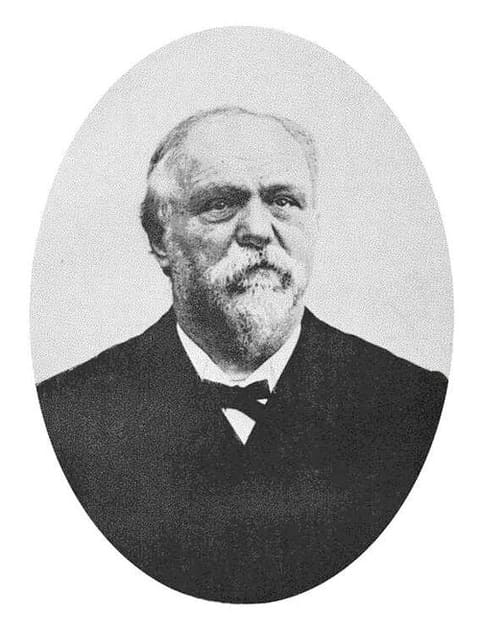
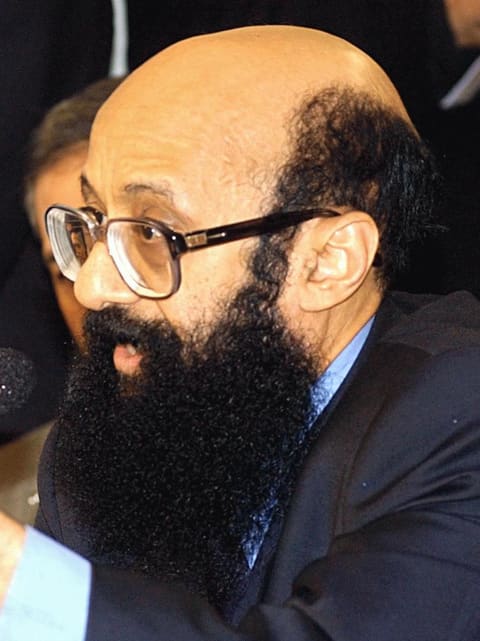
A French theorist, Sorel developed revolutionary syndicalism and the myth of the general strike, exalting direct action and proletarian violence with influence on left and fascist movements.
Closest, by dimension

Other compatible profiles


The most distant
Reference country

A European semi-presidential republic, France combines a strong republican and secular tradition, a robust welfare state, a mixed economy, and a prominent diplomatic, cultural, and military role in the European Union and the world.
Other close countries

A parliamentary Islamic republic and nuclear power, Pakistan alternates civilian governments with strong army tutelage, with sharia-inspired laws, a mixed economy dependent on foreign aid, and a permanent rivalry with India.
Also close, by dimension

The most distant
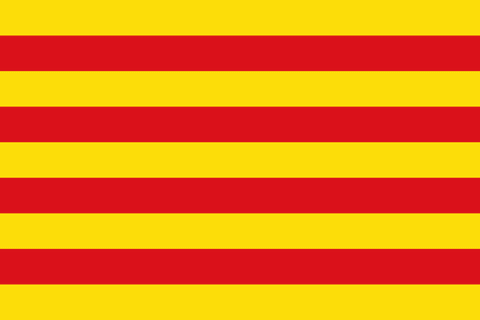
A dynastic union of Aragon, Catalonia, and other Mediterranean lands whose constituent realms kept their own laws and assemblies. The Crown expanded through trade and conquest; its institutions were gradually abolished after the War of the Spanish Succession.
Also close, by dimension
The most distant
Ideological proximity
Closest within Radical Left
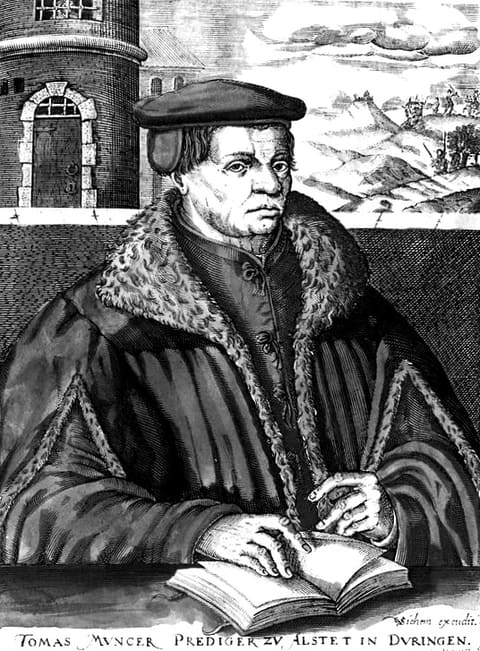
Current of Thomas Müntzer, the peasants of 1525 and guerrilla priests such as Camilo Torres, seeking the Kingdom of God on earth through revolution, with common property and the rule of the poor imposed by force.
Current that joins a state-run socialist economy and a strong party with patriotism, the traditional family, religion as national heritage and rejection of cultural progressivism, seeing identity politics as a liberal distraction from class struggle.
Variant of socialism developed in Tito's Yugoslavia, combining single-party rule and a cult of the leader with workers' self-management of enterprises, federal decentralization, market openness, and non-alignment between the Cold War blocs.
Closest in other spectrums
Project of a dynastic empire organized as a federation of nationalities, with regional autonomy, local parliaments and recognized languages, while retaining a hereditary crown, unified army and military assertion of imperial greatness.
Russian geopolitical current that sees Eurasia as a distinct civilization and proposes a Moscow-led continental bloc, with regional autonomy and shared strategic command, against Atlanticism and US hegemony.
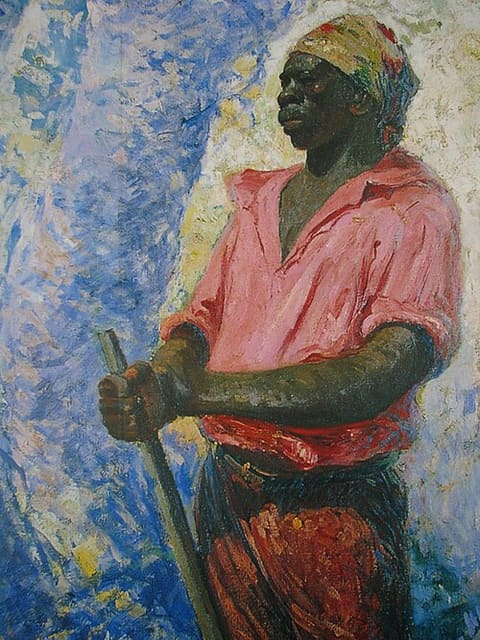
Political project developed by Abdias Nascimento from the history of Brazil's quilombos. It advocates racial equality, Afro-Brazilian self-determination, participatory democracy, a cooperative economy and land held for collective use.
The most distant ideology
Crypto-AnarchismLibertarian35%