Kantian Republicanism
Kant's political philosophy, grounding the state's legitimacy in the autonomy of reason and the rule of law, defending a moderate representative republicanism and a federation of free states as the path to perpetual peace.
Home / Ideologies / Kantian Republicanism
Kant's political philosophy, grounding the state's legitimacy in the autonomy of reason and the rule of law, defending a moderate representative republicanism and a federation of free states as the path to perpetual peace.
In one sentence
I want a republic founded on the autonomy of reason and the rule of law, with free states united in a federation for perpetual peace.
Political axes
Leans further toward globalism than 83% of the 243 ideologies in the catalog.
Of all the axes, Trade is where it stands furthest from the rest.
On Technology, it sits practically at the catalog median.
Here it shares common ground with most ideologies.
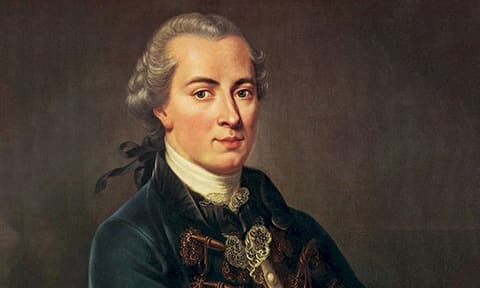
German philosopher, Kant founded transcendental idealism and the ethics of duty, defending the autonomy of reason, republicanism and a federation of free states as the path to perpetual peace.
Closest, by dimension
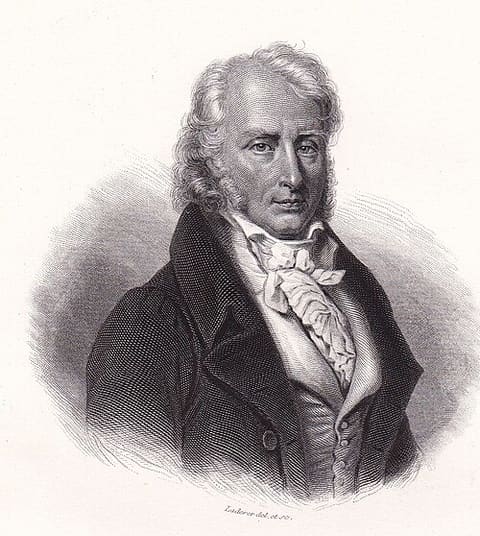
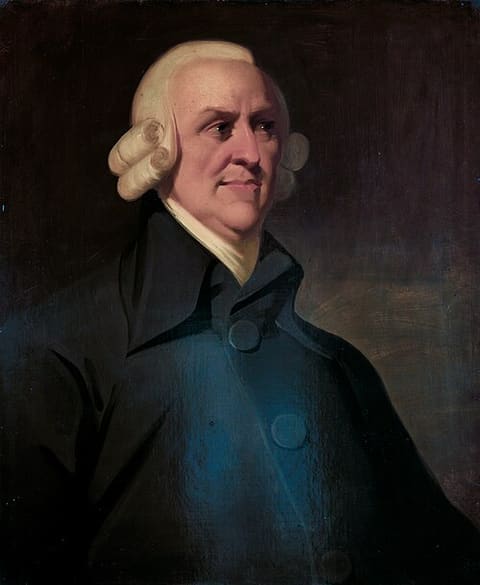
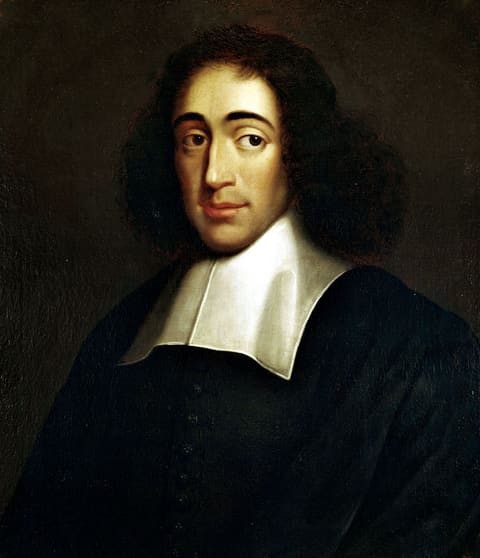
Other compatible profiles

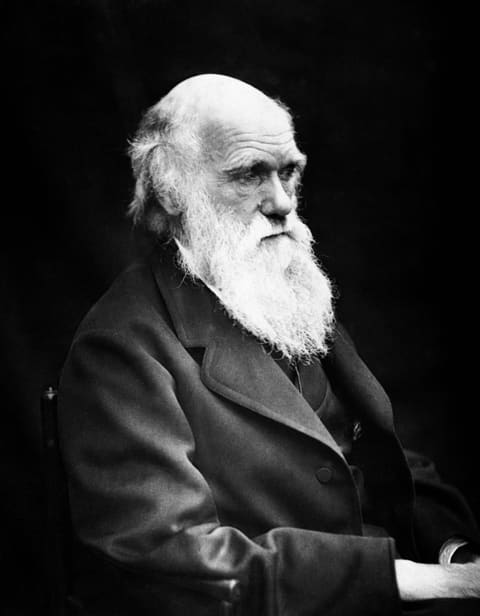
The most distant
Reference country
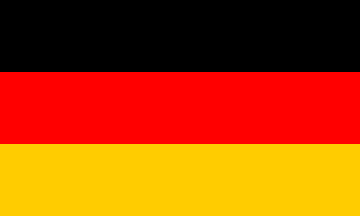
A parliamentary federal republic, Germany is Europe's largest economy, with a social market economy, a strong export industry, and a central role in the European Union, uniting democratic stability and geopolitical weight.
Other close countries
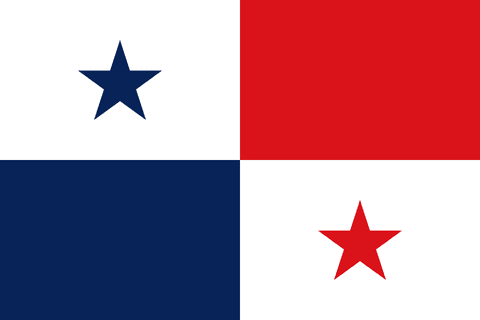
A unitary presidential republic that abolished its standing armed forces and maintains a dollarized economy centered on the Canal, financial services, the Colón Free Trade Zone, and international trade integration.
Also close, by dimension
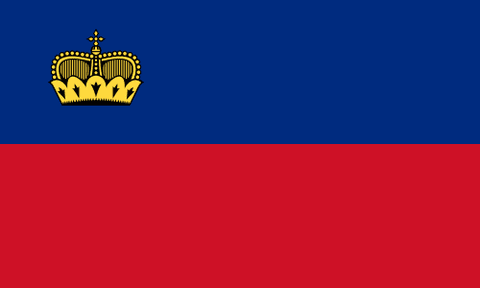

The most distant
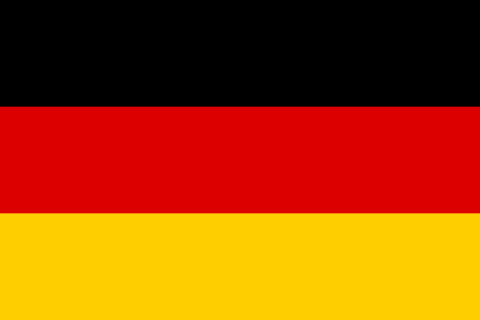
Germany's first democracy, the Weimar Republic united parliamentarism, proportional representation, and intense cultural life, but was undermined by economic crises and political instability that paved the way for Nazism.
Also close, by dimension

The most distant
Ideological proximity
Closest within Center
Current of Brazil's PSDB, founded in 1988 by Covas, Montoro and Cardoso, joining a market economy, social state, state reform and fiscal responsibility with parliamentarism and moderation on social issues.
German liberal school that defends the free market within firm rules guaranteed by the state, fighting monopolies and ensuring competition and stability, serving as the basis of the social market economy.
Pro-market centrist branch that combines fiscal responsibility, liberal democracy, moderate international openness, and institutional reform, rejecting both broad statism and libertarian radicalism as a political program.
Closest in other spectrums
Liberalism before mass democracy: it guarantees civil liberty, property, a free press and a lean state, but restricts the vote to educated property owners, fearing that unlimited popular sovereignty would destroy the very liberties it protects.
Current that seeks to solve the environmental crisis through the market, using pricing, green technology, and incentives to make protecting nature profitable and compatible with growth and free enterprise.
Dynastic microstate model that trades political sovereignty for prosperity: a hereditary prince with real power, minimal taxation, secrecy and financial services as the revenue base, openness to foreign capital and residents, and no standing army.
The most distant ideology
Clerical FascismThird Position35%