Confederal Republicanism
Tradition of republics made of sovereign provinces or cantons, such as the Dutch Republic and the old Swiss Confederacy, with local self-government, open trade, armed neutrality and deep-rooted Protestant faith.
Home / Ideologies / Confederal Republicanism
Tradition of republics made of sovereign provinces or cantons, such as the Dutch Republic and the old Swiss Confederacy, with local self-government, open trade, armed neutrality and deep-rooted Protestant faith.
In one sentence
I want sovereign provinces united by a republican pact, open commerce, local militias and Protestant faith.
Political axes
Leans further toward federal than 82% of the 243 ideologies in the catalog.
Of all the axes, Structure is where it stands furthest from the rest.
On Representation, it sits practically at the catalog median.
Here it shares common ground with most ideologies.

A Lutheran-born noble who converted to Catholicism and later Calvinism, William led the Dutch Revolt against Philip II of Spain, championed relative religious tolerance, and was assassinated in 1584 by a Spanish agent, becoming the "father of the fatherland."
Closest, by dimension



Other compatible profiles






The most distant
Reference country

A pioneering modern merchant republic, the United Provinces were a confederation governed by a commercial oligarchy, marked by religious tolerance, free trade, and immense naval and financial power at their height.
Other close countries
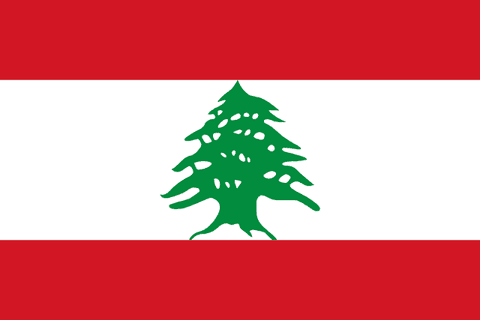
A parliamentary republic in the Middle East, Lebanon divides power among religious communities in a confessional system, with pluralism, a strong service sector, and chronic political and economic instability.
Also close, by dimension
The most distant
A pioneering modern merchant republic, the United Provinces were a confederation governed by a commercial oligarchy, marked by religious tolerance, free trade, and immense naval and financial power at their height.
Also close, by dimension

The most distant
Ideological proximity
Closest within Center
Doctrine that organizes the state through a constitutional division of power between a central government and autonomous regional units, such as cantons or states, with their own competencies, independent courts, and mutual checks against excessive concentration of power.
Current created by Henry George proposing to fund society with a single tax on land value, holding that land rent belongs to everyone and that labor and capital should not be taxed.
Centrist branch that combines economic moderation and institutional respect with social conservatism, valuing family, religion, order, and gradual change without joining the authoritarian right or populist radicalism.
Closest in other spectrums
Synthesis that unites free markets and a minimal state with the defense of tradition, family, and order, valuing individual freedom and personal responsibility alongside the preservation of customs and institutions.
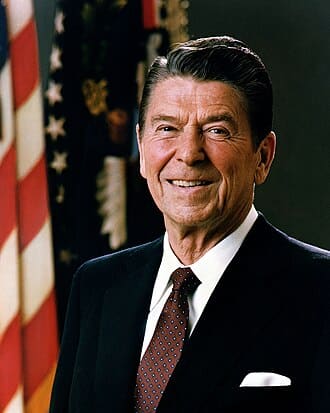
American conservative current associated with Ronald Reagan. It combines lower taxes and a smaller federal economic role with free enterprise, traditional religious values, anticommunism and military strength.
Branch that combines the defense of individual freedoms and free markets with appreciation for national sovereignty and identity, defending limited government alongside border control and the nation.
The most distant ideology
Pol Pot SocialismRadical Left30%