Republicanism
Political tradition that values popular sovereignty, civic virtue, and the rule of law, defending citizens' self-government, the separation of powers, and protection against tyranny and the corruption of power.
Home / Ideologies / Republicanism
Political tradition that values popular sovereignty, civic virtue, and the rule of law, defending citizens' self-government, the separation of powers, and protection against tyranny and the corruption of power.
In one sentence
I want a republic of virtuous citizens, with separation of powers and rule of law, vigilant against tyranny and the corruption of power.
Political axes
Leans further toward democracy than 89% of the 243 ideologies in the catalog.
Of all the axes, Representation is where it stands furthest from the rest.
On Technology, it sits practically at the catalog median.
Here it shares common ground with most ideologies.
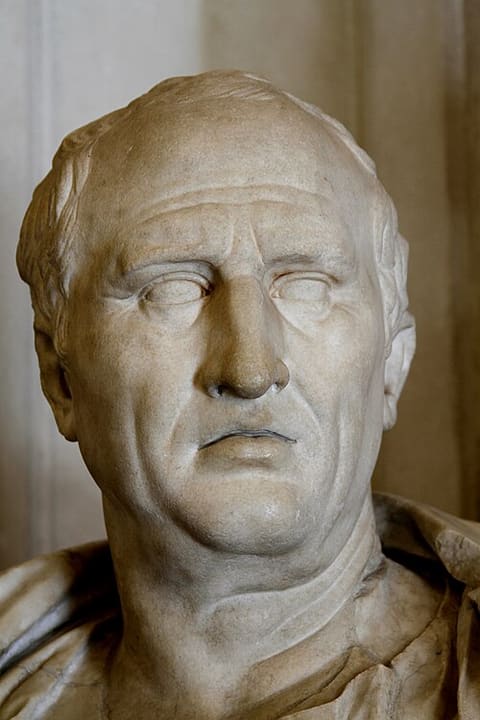
A Roman statesman and philosopher, Cicero defended the republic, mixed government, and the rule of law, bequeathing the tradition of civic republicanism and natural law that influenced Western political thought.
Closest, by dimension


Other compatible profiles




The most distant
Reference country

A European semi-presidential republic, France combines a strong republican and secular tradition, a robust welfare state, a mixed economy, and a prominent diplomatic, cultural, and military role in the European Union and the world.
Other close countries
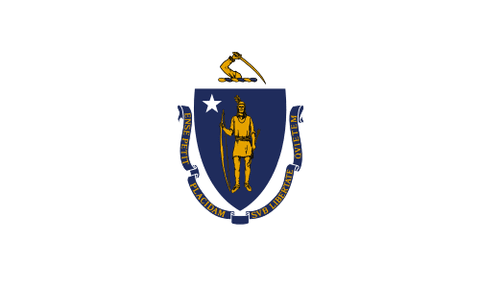
A northeastern US state, Massachusetts is a progressive stronghold and a hub of education and science, with prestigious universities, a strong liberal tradition, and politics focused on social rights and innovation.
Also close, by dimension



The most distant

Under Allende's Popular Unity, Chile attempted democratic socialism through copper and bank nationalization, agrarian reform, and economic planning until the 1973 military coup.
Also close, by dimension

The most distant
Ideological proximity
Closest within Center
Nationalism based on citizenship and shared values rather than ethnicity, defining the nation by adherence to common laws and institutions, open to all who accept its democratic and civic principles.
Reformist current that reinterprets Islam in light of reason, human rights and pluralism, advocating democracy, gender equality, a non-confessional state and freedom of conscience, in Muhammad Abduh's modernist tradition.
Centrist branch that prioritizes sustainability, gradual energy transition, environmental regulation, and technological prudence, seeking to reconcile climate protection, markets, and democratic institutions without anti-capitalist rupture.
Closest in other spectrums
Liberal current that accepts an active role for the state in the economy and in guaranteeing rights, combining individual freedoms and markets with regulation and public policies aimed at the collective good and equality.
Current that seeks to reconcile capitalism and social justice through democracy, defending regulated markets, a strong welfare state, labor rights, and redistribution to reduce social inequalities.
Current that unites socialist goals of equality and social justice with the defense of individual freedoms and democracy, combining strong social protection with pluralism, civil rights, and a mixed economy.
The most distant ideology
Authoritarian NeoliberalismRight31%