Georgist Reformism
Current created by Henry George proposing to fund society with a single tax on land value, holding that land rent belongs to everyone and that labor and capital should not be taxed.
Home / Ideologies / Georgist Reformism
Current created by Henry George proposing to fund society with a single tax on land value, holding that land rent belongs to everyone and that labor and capital should not be taxed.
In one sentence
I want a society funded by a single tax on land, since its rent belongs to everyone and labor should not be taxed.
Political axes
Leans further toward free market than 84% of the 243 ideologies in the catalog.
Of all the axes, Control is where it stands furthest from the rest.
On Morality, it sits practically at the catalog median.
Here it shares common ground with most ideologies.
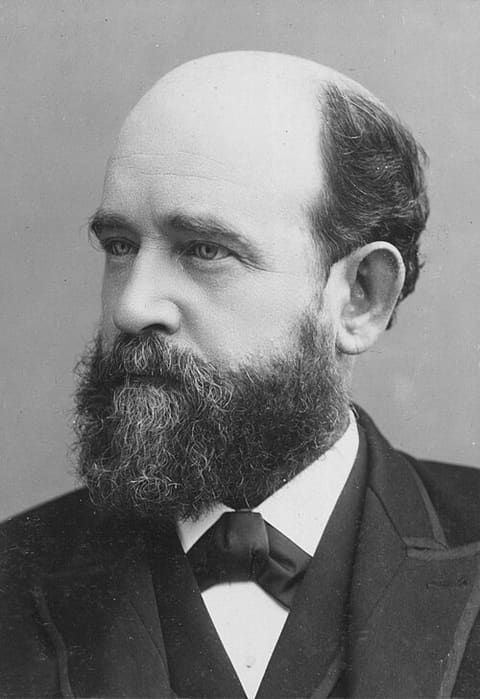
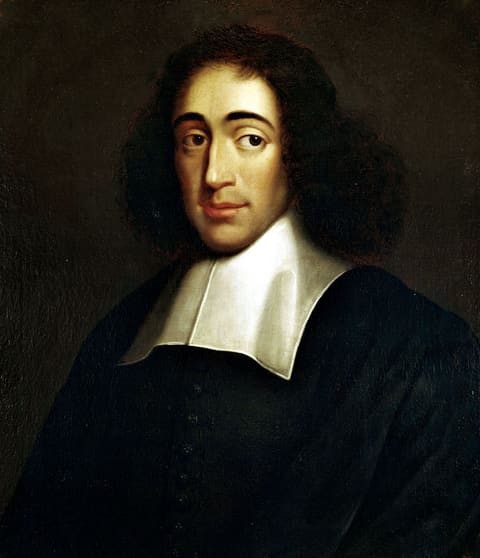
An American economist, Henry George proposed the single tax on land value, arguing that land rent should fund society and reduce inequality rather than burdening labor or capital.
Closest, by dimension

Other compatible profiles


The most distant
Reference country
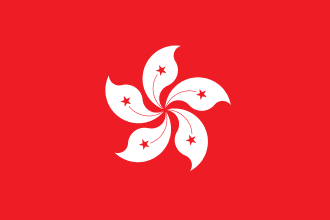
A global financial center, Hong Kong is an autonomous region of strong free-market capitalism and technocratic management, whose broad autonomy has been increasingly restricted by mainland China's political control.
Other close countries
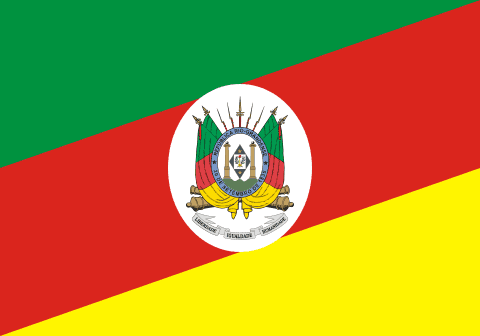
Brazil's southernmost state, Rio Grande do Sul has a strong regional identity and a tradition of polarized political disputes, with an economy built on agribusiness, ranching, and industry.
Also close, by dimension
The most distant

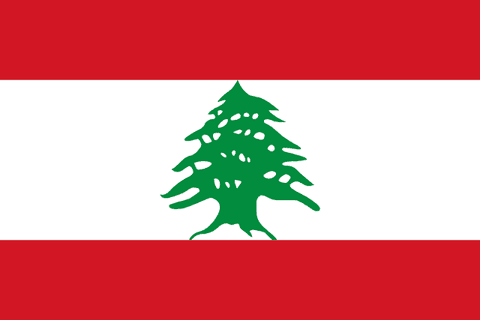
Medieval alliance of autonomous cantons formed from the 1291 Pact, the Old Swiss Confederacy operated without a strong central power, combining direct democracy in local assemblies (Landsgemeinde), independent peasant militias, and weak joint military/diplomatic coordination among the cantons.
Also close, by dimension



The most distant
Ideological proximity
Closest within Center
Doctrine that organizes the state through a constitutional division of power between a central government and autonomous regional units, such as cantons or states, with their own competencies, independent courts, and mutual checks against excessive concentration of power.
Current that unites individual freedom, markets, and democracy with the ecological agenda, defending sustainability, rights, and innovation to reconcile economic prosperity with effective environmental protection.
Political tradition that places individual freedom at the center, defending rights, tolerance, the rule of law, a market economy, and limits on power, with government subject to the consent of citizens.
Closest in other spectrums
Current founded by Max Stirner in The Ego and Its Own (1844), which rejects the state, morality, religion and rights as spooks and proposes voluntary unions of egoists who associate only while it serves them.
Current that unites free markets and individual freedoms with concern for social justice, holding that economic freedom must also concretely improve the lives of the poorest and most vulnerable.
Synthesis that unites mutualism with a minimal state, combining fair exchange, cooperatives, and free credit with a public structure reduced to the essential functions of protecting rights, contracts, and freedoms.
The most distant ideology
Clerical FascismThird Position29%