Reactionaryism
Stance that rejects modernity and seeks to restore the pre-revolutionary order, defending monarchy, religion, tradition, and hierarchy against Enlightenment rationalism, liberalism, and democracy.
Home / Ideologies / Reactionaryism
Stance that rejects modernity and seeks to restore the pre-revolutionary order, defending monarchy, religion, tradition, and hierarchy against Enlightenment rationalism, liberalism, and democracy.
In one sentence
I want to restore the throne, the altar and the hierarchy of before the revolutions, sweeping away Enlightenment rationalism and liberal democracy.
Political axes
Leans further toward religious than 96% of the 243 ideologies in the catalog.
Of all the axes, Religion is where it stands furthest from the rest.
On Economy, it sits close to the catalog median.
Here it shares common ground with most ideologies.
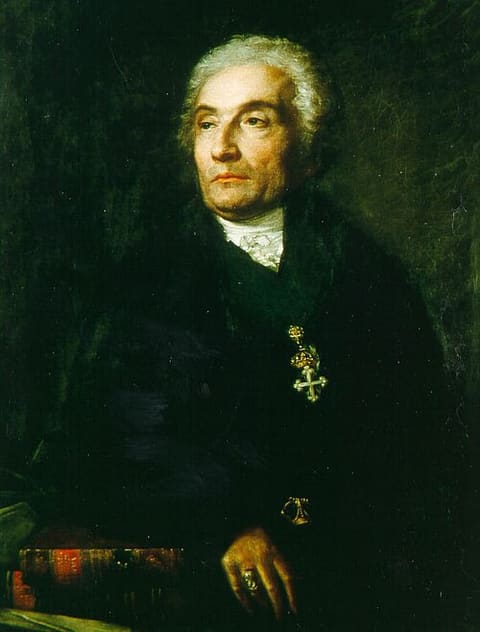
The leading reactionary theorist, Maistre opposed the French Revolution by defending monarchy and the authority of tradition and religion against Enlightenment rationalism, influencing European conservative thought.
Closest, by dimension
Other compatible profiles

The most distant
Reference country
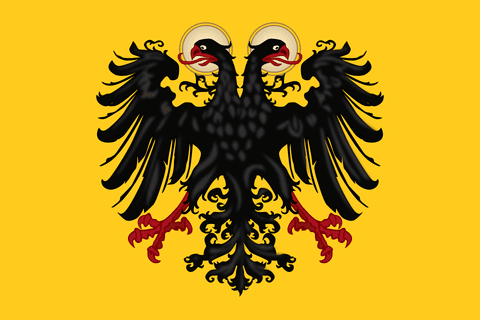
A federation of Central European territories, the Holy Roman Empire gathered principalities and cities under an elected emperor and strong Church influence, marked by fragmented power and the autonomy of its members.
Other close countries
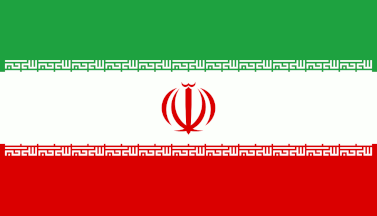
A theocratic Islamic republic, Iran combines elected institutions with the supreme authority of the clerics, under the rule of the religious jurist, a state-controlled economy, and strong regional projection in the Middle East.
Also close, by dimension
The most distant
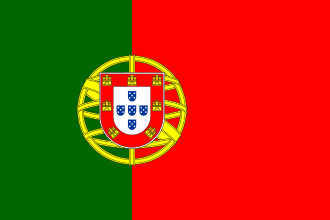
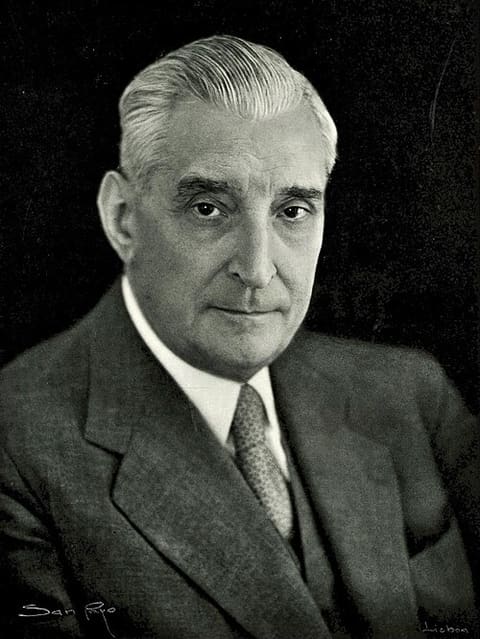
Under Salazar, the Portuguese Estado Novo was a conservative, corporatist dictatorship that united Catholic nationalism, order, and political control without mass mobilization, holding the country and its colonies for decades.
Also close, by dimension

The most distant
Ideological proximity
Closest within Far-Right
Project that seeks to organize state and society according to the strict interpretation of a religious doctrine, subordinating laws, customs, and politics to sacred precepts and rejecting modern secularism.
Christian theocratist doctrine that subordinates political power to religious authority, holding that divine law and the Church should govern the state and customs, from medieval and papal ultramontanism to modern reconstructionist projects.
Defense of monarchy with unlimited power concentrated in the sovereign, legitimized by tradition or divine right, without a constitution or parliament to restrict the king's authority over state and society.
Closest in other spectrums
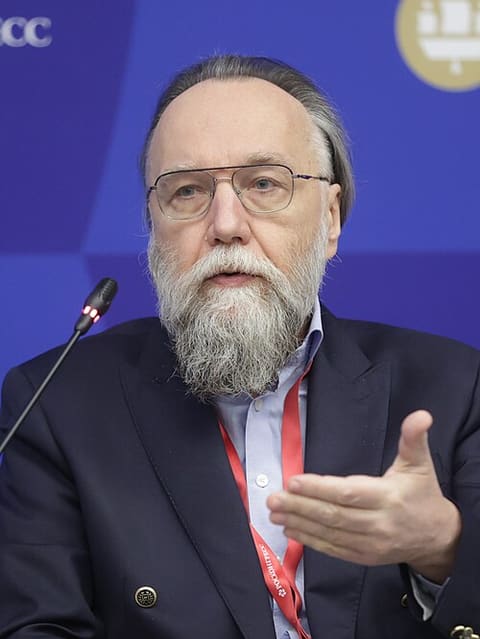
Theory by Aleksandr Dugin that rejects liberalism, communism, and fascism and proposes a multipolar world founded on civilizations, tradition, and collective identity, opposing globalism and Western hegemony.
Authoritarian nationalist movement that emerged in 1930s Brazil, with a Christian and corporatist base, the motto God, Fatherland and Family, mass aesthetics, and frontal opposition to liberalism and communism.
A variant of fascism that fuses ultranationalism, a mass party and militias with the authority of a national Church, with clergy in power, as in Dollfuss's Austrofascism, Father Tiso's Slovakia, the Croatian Ustaše and Romania's Iron Guard.
The most distant ideology
Crypto-AnarchismLibertarian22%