Authoritarian Progressivism
Project that imposes progressive social transformations from above, using state power to accelerate changes in customs and equality, even at the cost of individual liberties and organized political opposition.
Home / Ideologies / Authoritarian Progressivism
Project that imposes progressive social transformations from above, using state power to accelerate changes in customs and equality, even at the cost of individual liberties and organized political opposition.
In one sentence
I want a society transformed from the top down in customs and equality, using the state even against organized opposition.
Political axes
Leans further toward progressive than 99% of the 243 ideologies in the catalog.
Of all the axes, Morality is where it stands furthest from the rest.
On Diplomacy, it sits practically at the catalog median.
Here it shares common ground with most ideologies.
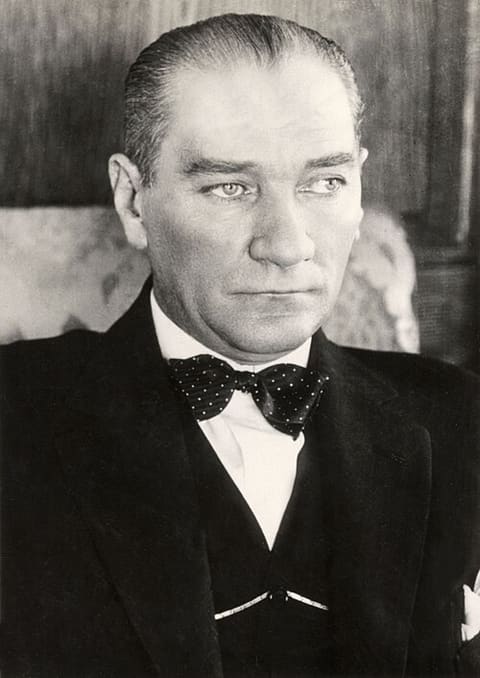
Founder of modern Turkey, Atatürk imposed radical modernization from above, with secularization, a new alphabet, civil rights for women, and developmentalist nationalism, breaking with the Ottoman and religious heritage.
Closest, by dimension
Other compatible profiles
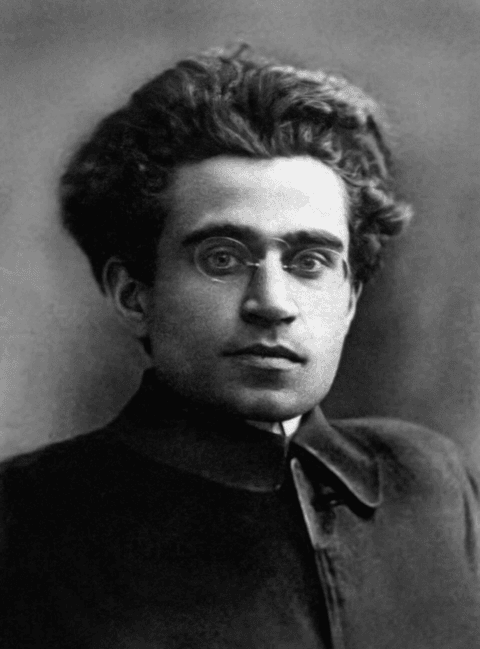
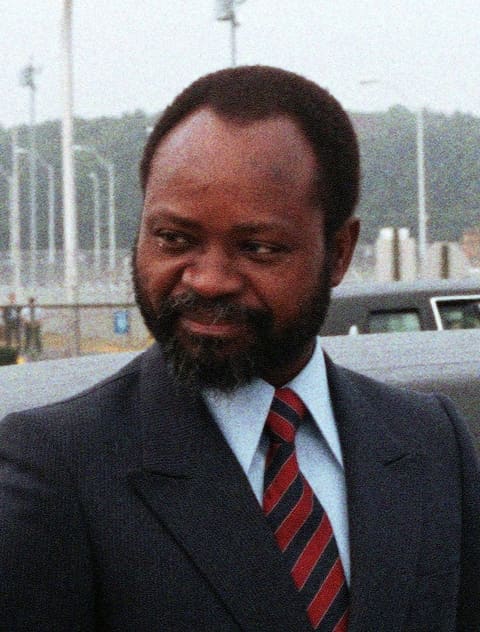
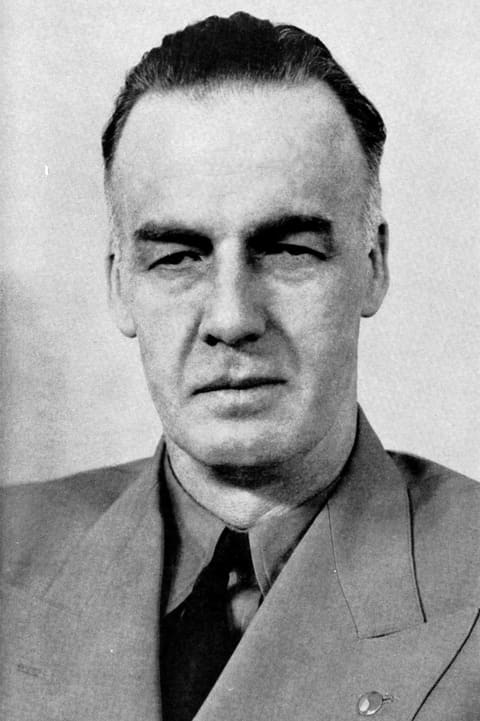
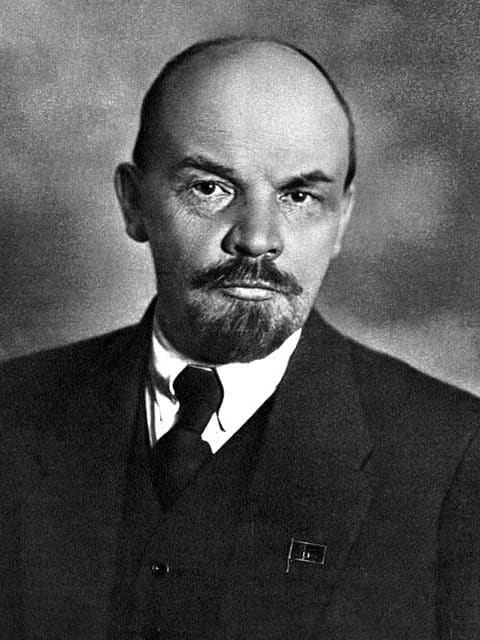
The most distant
Reference country
A presidential republic between Europe and Asia, Turkey combines electoral democracy with strong concentration of power, nationalism, religious conservatism, and an assertive foreign policy in the Middle East and the Mediterranean.
Other close countries
A single-party socialist state in the Caribbean, Cuba maintains a planned economy, strong state control, and universal public services, with power centralized since the revolution led by Fidel Castro in 1959.
Also close, by dimension
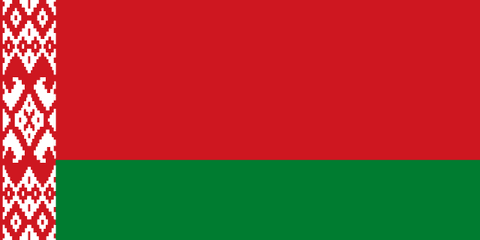
The most distant
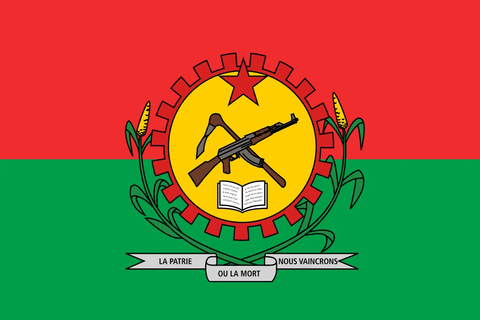
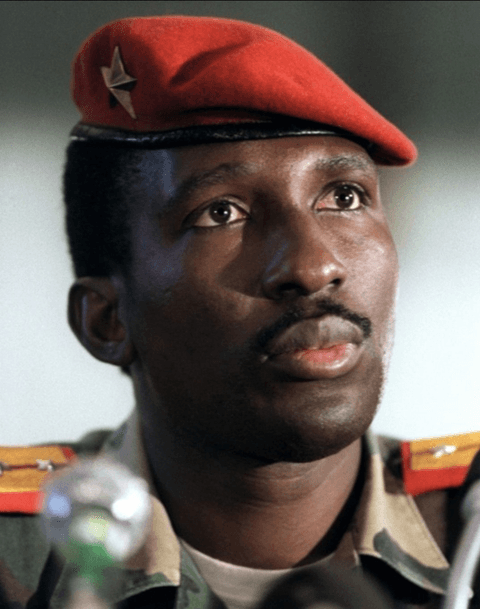
Under Thomas Sankara, Burkina Faso combined food self-sufficiency, mass vaccination and literacy campaigns, women's emancipation, rejection of foreign debt, and a frontal break with French neocolonialism.
Also close, by dimension
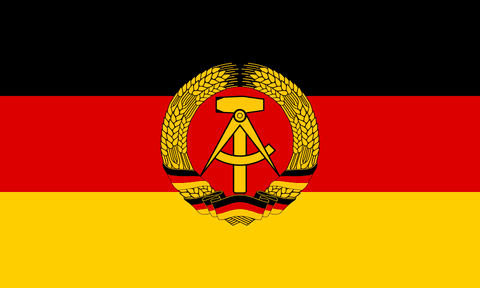
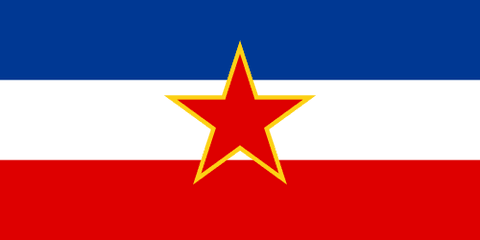
The most distant
Ideological proximity
Closest within Radical Left
Revolutionary regime of Fidel Castro and Che Guevara, with a single party, a state-run economy, universal health and education, export of armed revolution and the new man ideal against imperialism.
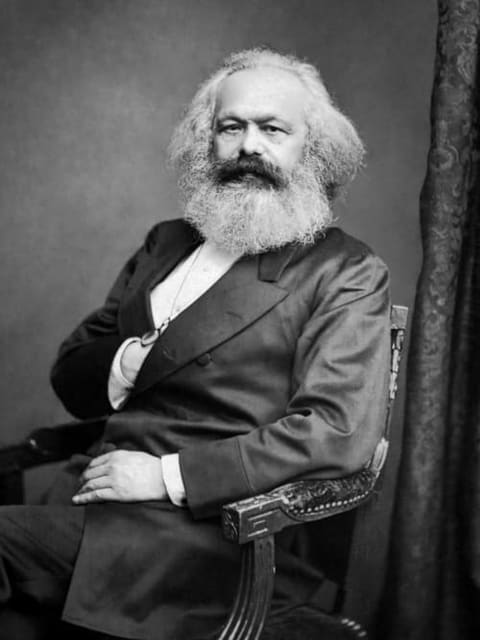
Final stage theorized by Marx and Engels: a classless, stateless society without private ownership of the means of production, with collective production and distribution according to need, superseding capitalism and the transitional socialist phase.
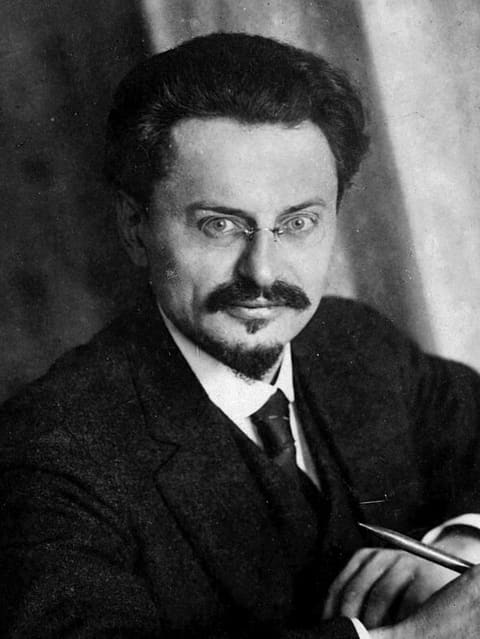
Current of Trotsky, co-founder of the Soviet state and the Red Army, which defends permanent revolution, a vanguard party and the dictatorship of the proletariat, criticizing Stalinist bureaucracy without renouncing one-party rule.
Closest in other spectrums
Model in which the state directs industrialization and economic growth through planning, public investment, and industrial protection, seeking to overcome the nation's backwardness and external dependence.
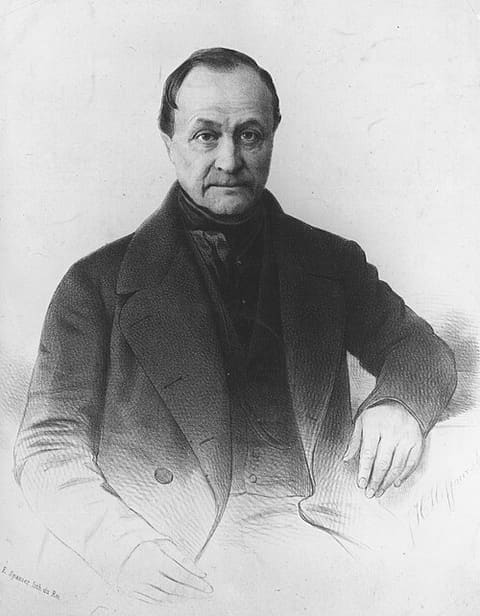
Current inspired by Auguste Comte that trusts science and reason to organize society, defending order, progress, and technical administration guided by knowledge in place of metaphysics and tradition.
Socialist current born of national liberation struggles in Africa, Asia, and Latin America, defending economic sovereignty, resource nationalization, non-alignment, and solidarity among peoples of the Global South against imperialism.
The most distant ideology
PaleolibertarianismLibertarian29%