Pragmatism
Political stance that judges proposals by the practical results they produce rather than fidelity to an ideological dogma, combining market measures, regulation, and social policy according to evidence and each problem's context.
Home / Ideologies / Pragmatism
Political stance that judges proposals by the practical results they produce rather than fidelity to an ideological dogma, combining market measures, regulation, and social policy according to evidence and each problem's context.
In one sentence
I want solutions judged by results, not dogma, mixing market, regulation and social policy as each problem demands.
Political axes
Leans further toward globalism than 68% of the 243 ideologies in the catalog.
Of all the axes, Trade is where it stands furthest from the rest.
On Representation, it sits practically at the catalog median.
Here it shares common ground with most ideologies.

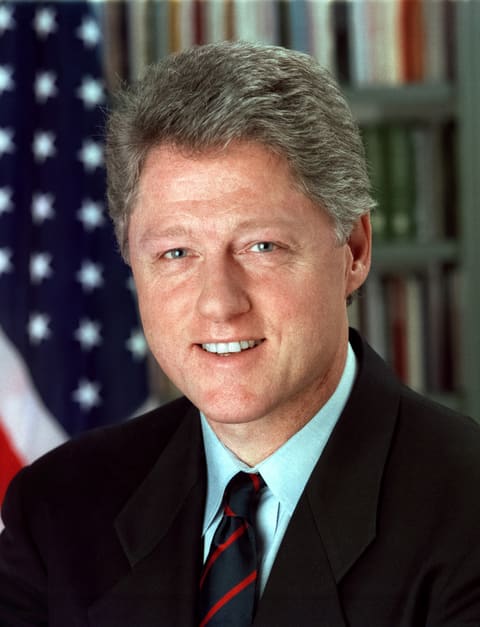
A Brazilian sociologist and statesman, Fernando Henrique stabilized the economy with the Real Plan and, as president, conducted liberal reforms, privatizations, and the modernization of the state within social democracy.
Closest, by dimension



Other compatible profiles





The most distant
Reference country
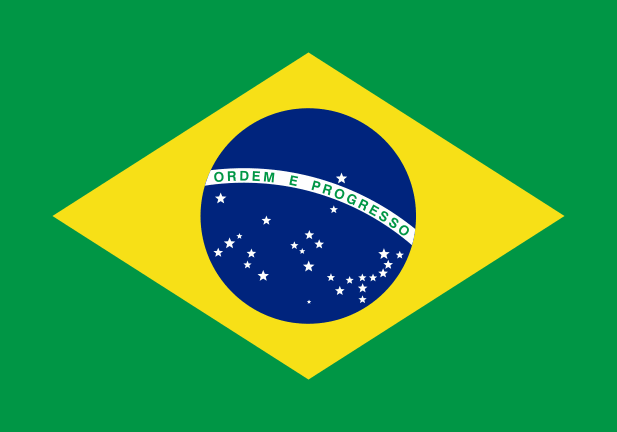
The largest country in Latin America, Brazil is a democratic presidential federal republic with a mixed economy, broad social policies, and strong regional, cultural, and political diversity that shapes its electoral disputes.
Other close countries
A parliamentary federal republic, Germany is Europe's largest economy, with a social market economy, a strong export industry, and a central role in the European Union, uniting democratic stability and geopolitical weight.
Also close, by dimension



The most distant
Germany's first democracy, the Weimar Republic united parliamentarism, proportional representation, and intense cultural life, but was undermined by economic crises and political instability that paved the way for Nazism.
Also close, by dimension

The most distant
Ideological proximity
Closest within Center
Political position that seeks balance between left and right, valuing moderation, pragmatism, and consensus, and combining elements of different currents to avoid extremes and favor gradual reforms.
Pro-market centrist branch that combines fiscal responsibility, liberal democracy, moderate international openness, and institutional reform, rejecting both broad statism and libertarian radicalism as a political program.
Centrist branch that accepts the market economy but prioritizes social protection, public services, gradual reforms, and institutional consensus to reduce inequality without political rupture or permanent polarization.
Closest in other spectrums
Scandinavian model combining tripartite collective bargaining among unions, employers and the state, a universalist welfare state funded by high taxes, and an open, export-driven market economy, with strong social consensus and low inequality.
Pragmatic branch that prioritizes fiscal adjustment, economic stability, and governability through broad coalitions, accepting market reforms and political concessions in the name of short- and medium-term results.
Current inspired by John Maynard Keynes that accepts markets and liberal democracy but gives the state the task of managing demand, with countercyclical public spending, full employment as a goal and a mixed economy.
The most distant ideology
Clerical FascismThird Position33%