Platonism
Plato's political philosophy, entrusting the city's government to a philosophical elite formed by virtue and knowledge, with strong control over education, property and customs in the name of justice and social harmony.
Home / Ideologies / Platonism
Plato's political philosophy, entrusting the city's government to a philosophical elite formed by virtue and knowledge, with strong control over education, property and customs in the name of justice and social harmony.
In one sentence
I want a city governed by philosopher-kings, with guardians educated in virtue and strict control over property and customs.
Political axes
Leans further toward autocracy than 93% of the 243 ideologies in the catalog.
Of all the axes, Representation is where it stands furthest from the rest.
On Diplomacy, it sits close to the catalog median.
Here it shares common ground with most ideologies.
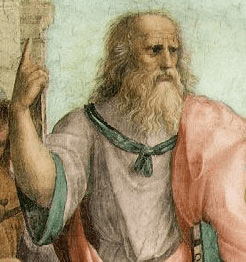
A Greek philosopher, Plato criticized Athenian democracy and imagined a city governed by philosophers, with rigid education, moral censorship, and the strong subordination of private interests to the harmony of the political community.
Closest, by dimension
Other compatible profiles



The most distant
Reference country
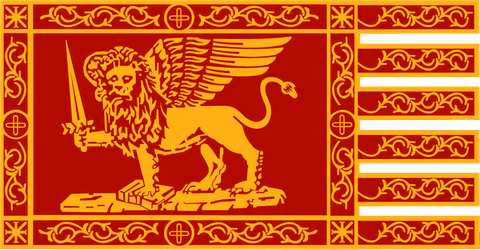
A powerful medieval merchant republic, Venice was governed by a commercial oligarchy that dominated Mediterranean trade, uniting stable institutions, a strong navy, and immense economic power for centuries.
Other close countries
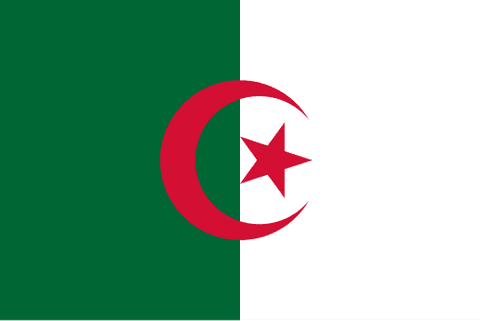
Born from the war of independence against France, Algeria is an army-dominated republic with Islam as the state religion, a state-run economy dependent on oil and gas, a non-aligned foreign policy and repression of the Hirak movement.
Also close, by dimension
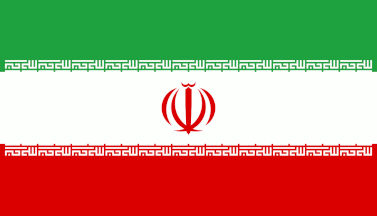
The most distant
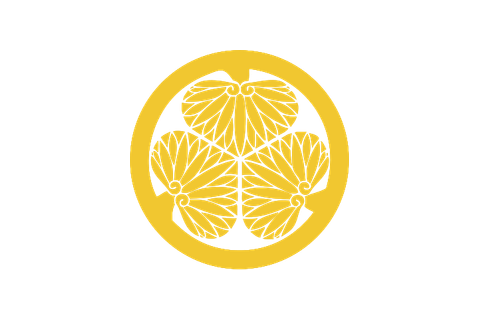
The Tokugawa shogunate pacified Japan after the Sengoku era with a feudal system of domains (bakuhan), a rigid four-class social hierarchy, official Neo-Confucianism, a ban on Christianity and external isolation (sakoku).
Also close, by dimension

The most distant
Ideological proximity
Closest within Far-Right
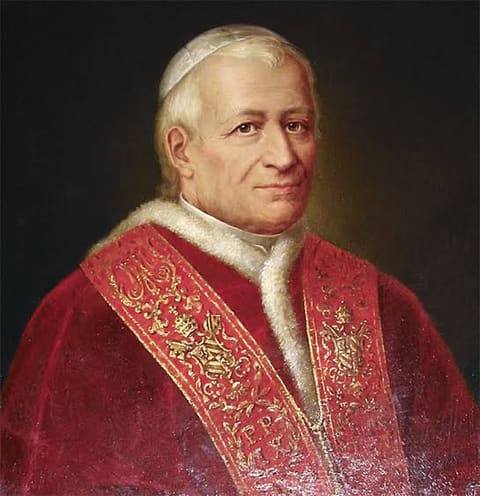
Doctrine of the rule of the best, entrusting power to a minority qualified by virtue, education or birth, rejecting political equality and majority rule as surrendering the city to incompetence.
Christian theocratist doctrine that subordinates political power to religious authority, holding that divine law and the Church should govern the state and customs, from medieval and papal ultramontanism to modern reconstructionist projects.
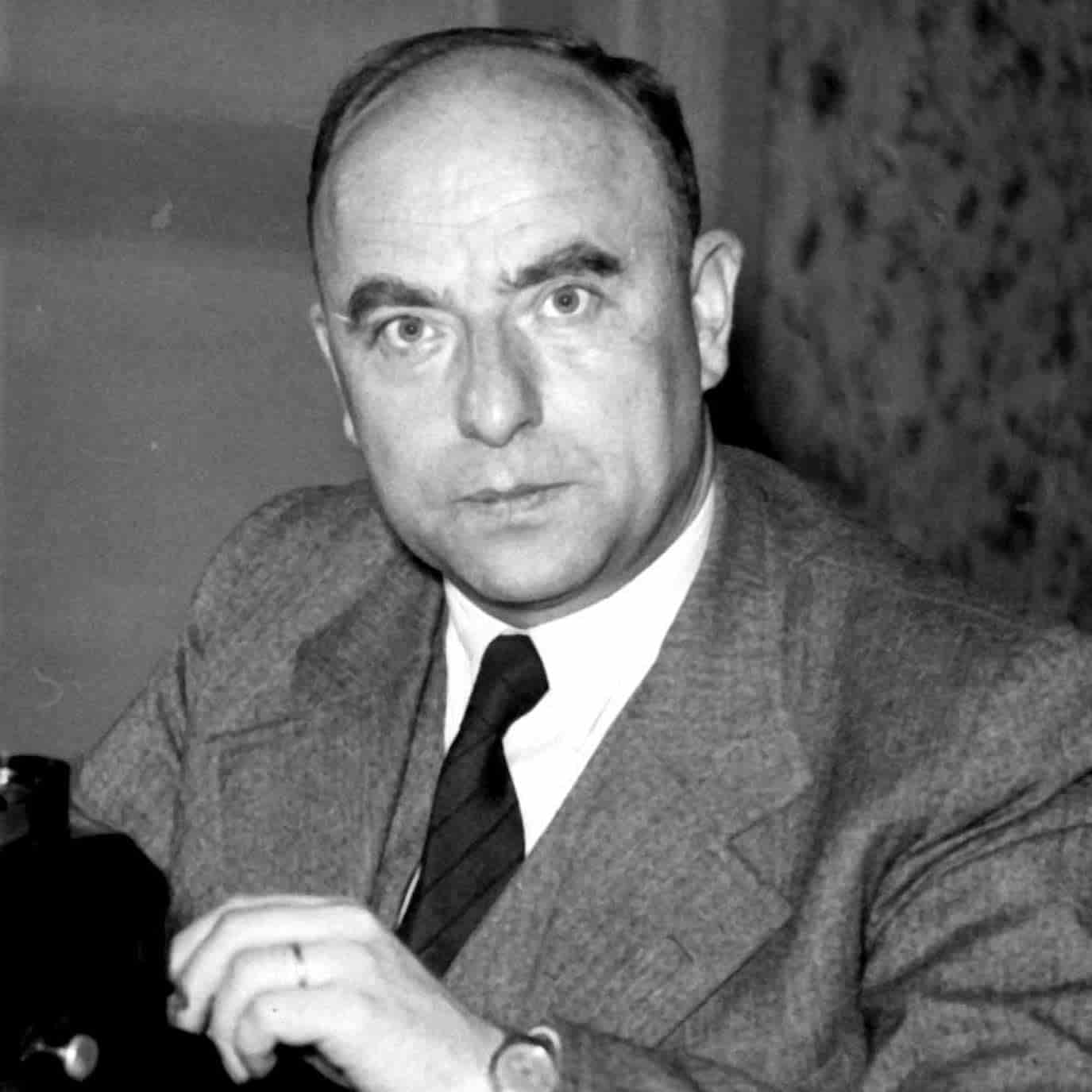
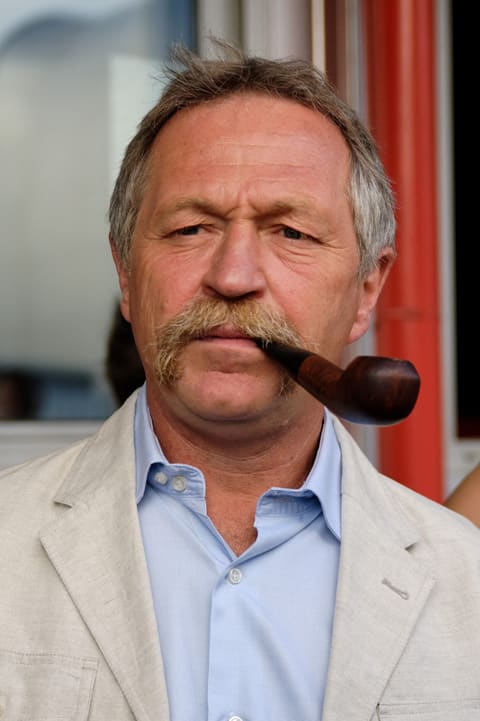
Current that fuses radical ecology, authoritarianism, and organic nationalism, defending population control, coercive environmental preservation, and the subordination of individual freedoms to the survival of the national community.
Closest in other spectrums
Current that unites a socialist economy with traditional values, defending social protection and a strong state role alongside family, order, and customs, far from the cultural progressivism of liberal lefts.
Doctrine that grounds political order in the ruler's virtue, ritual hierarchy and filial piety, favouring bureaucratic merit and moral education over coercive law or popular participation.
Getúlio Vargas's Estado Novo doctrine joining economic nationalism, a centralized state, state-tied unions, labor law and state firms such as Petrobras, against the regional oligarchies and liberalism.
The most distant ideology
Crypto-AnarchismLibertarian25%