Varguist Nationalism
Getúlio Vargas's Estado Novo doctrine joining economic nationalism, a centralized state, state-tied unions, labor law and state firms such as Petrobras, against the regional oligarchies and liberalism.
Home / Ideologies / Varguist Nationalism
Getúlio Vargas's Estado Novo doctrine joining economic nationalism, a centralized state, state-tied unions, labor law and state firms such as Petrobras, against the regional oligarchies and liberalism.
In one sentence
I want a nation united under a strong state, with labor laws protecting workers, national industry and oil, and no regional oligarchy.
Political axes
Leans further toward autocracy than 85% of the 243 ideologies in the catalog.
Of all the axes, Representation is where it stands furthest from the rest.
On Technology, it sits close to the catalog median.
Here it shares common ground with most ideologies.
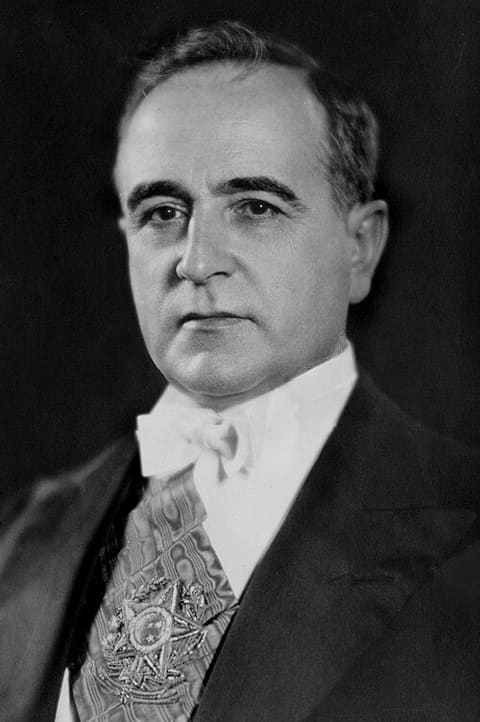
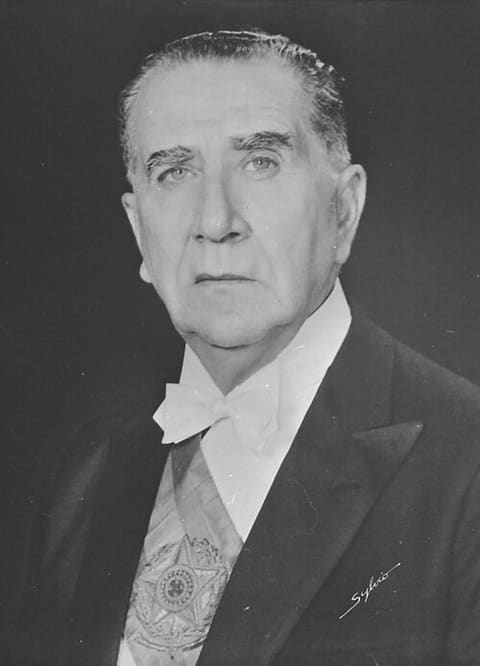
A Brazilian statesman, Vargas shaped modern Brazil with developmentalist nationalism, state-directed industrialization, and labor legislation, founding Brazilian labourism and marking decades of national politics.
Closest, by dimension
Other compatible profiles
The most distant
Reference country
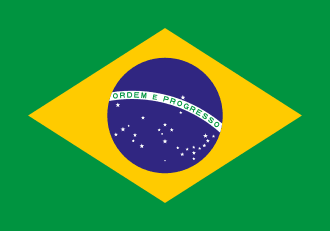
Under Vargas, Brazil experienced a nationalist, developmentalist regime that promoted state-directed industrialization, labor legislation, and the centralization of power, laying the foundations of Brazilian labourism.
Other close countries
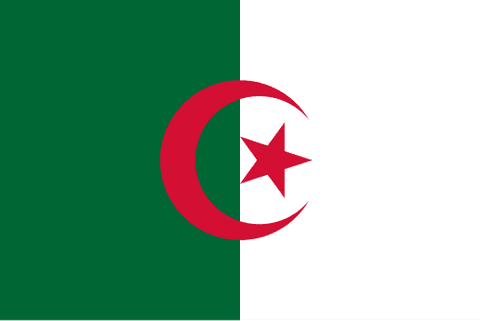
Born from the war of independence against France, Algeria is an army-dominated republic with Islam as the state religion, a state-run economy dependent on oil and gas, a non-aligned foreign policy and repression of the Hirak movement.
Also close, by dimension
The most distant
Under Vargas, Brazil experienced a nationalist, developmentalist regime that promoted state-directed industrialization, labor legislation, and the centralization of power, laying the foundations of Brazilian labourism.
Also close, by dimension

The most distant
Ideological proximity
Closest within Third Position
Nationalist and syndicalist current that rejects liberalism and Marxism, advocating national unity, corporatist organization of labor, authoritarian social justice, and popular mobilization around the state.
Spanish authoritarian nationalism of Catholic and syndicalist inspiration, advocating a corporatist state, national unity, and social hierarchy, becoming the ideological pillar of Franco's regime in Spain.
Model that organizes society into corporations of workers and employers integrated into the state, seeking harmony between classes and directed economic cooperation instead of conflict or free competition.
Closest in other spectrums
System that unites free enterprise with strong protectionism and state direction, prioritizing industry, jobs, and national sovereignty over global free trade and unchecked foreign capital.
Conception that defines the nation by common origin, language, and ancestry, advocating a state of the dominant ethnicity and the preservation of its identity, with a tendency to exclude minorities and immigrants from the national body.
Current that preserves order, tradition, and hierarchy through a strong state, restricting freedoms and political participation in the name of social stability, morality, religion, and established authority.
The most distant ideology
Crypto-AnarchismLibertarian22%