Nationalism
Ideology that places the nation as the central value, defending its sovereignty, unity, and identity, and prioritizing the interests of the people and the nation-state over external influences and globalism.
Home / Ideologies / Nationalism
Ideology that places the nation as the central value, defending its sovereignty, unity, and identity, and prioritizing the interests of the people and the nation-state over external influences and globalism.
In one sentence
I want a society assimilated into national identity, with strong order and an economy protected from abroad in the name of the people's sovereignty.
Political axes
Leans further toward militarist than 72% of the 243 ideologies in the catalog.
Of all the axes, Diplomacy is where it stands furthest from the rest.
On Control, it sits practically at the catalog median.
Here it shares common ground with most ideologies.
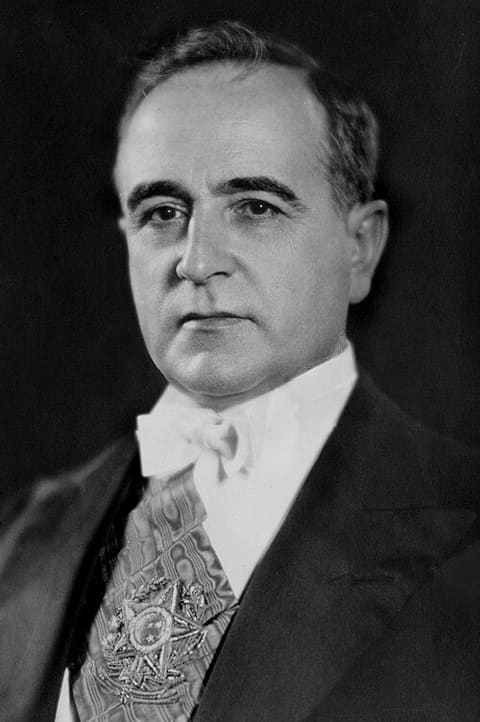
A Brazilian statesman, Vargas shaped modern Brazil with developmentalist nationalism, state-directed industrialization, and labor legislation, founding Brazilian labourism and marking decades of national politics.
Closest, by dimension
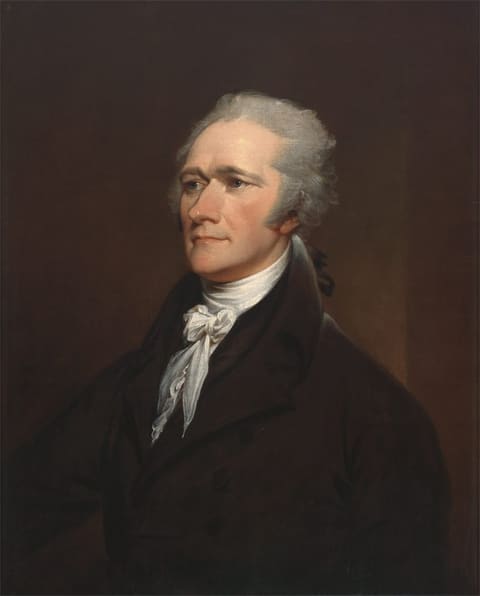
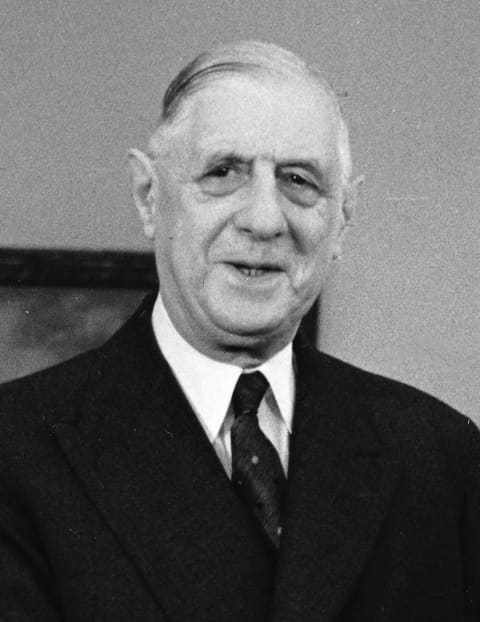
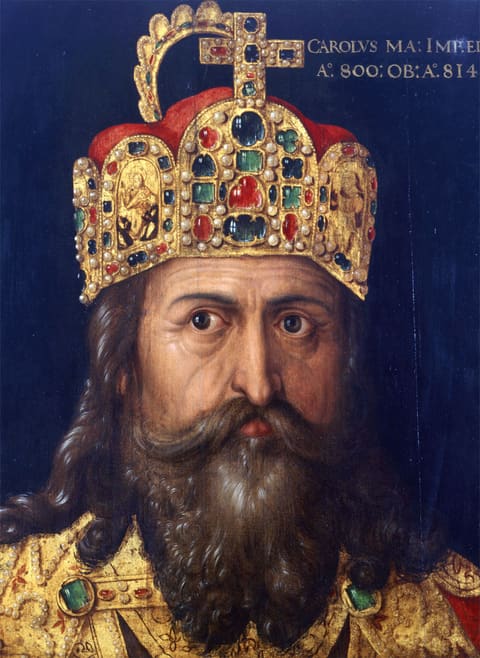
Other compatible profiles
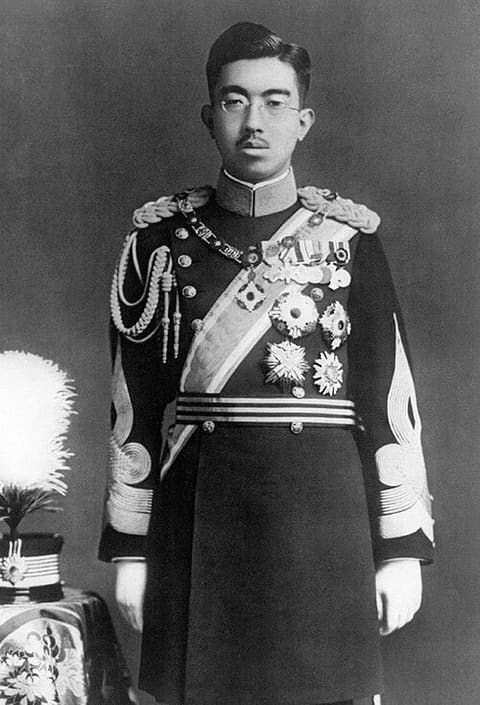
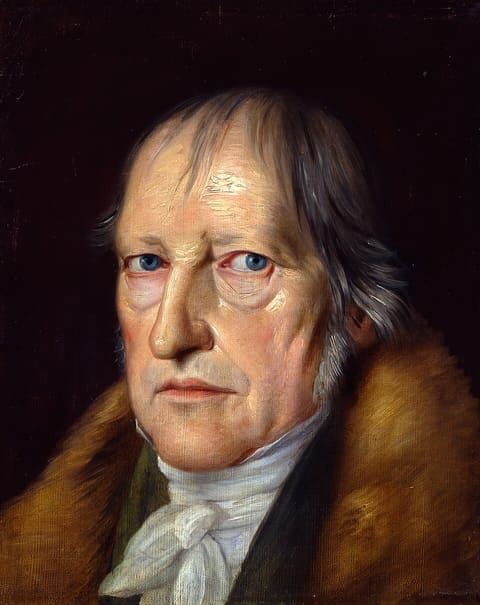
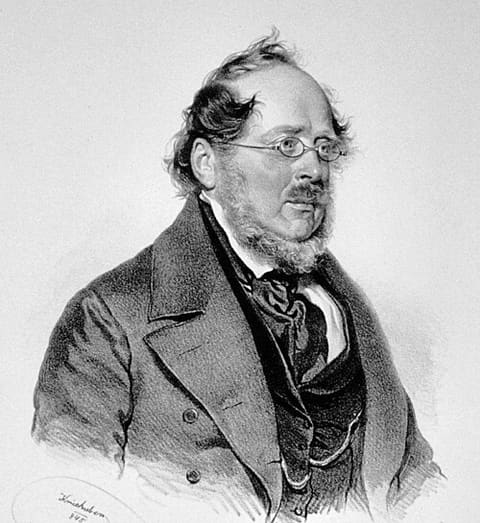
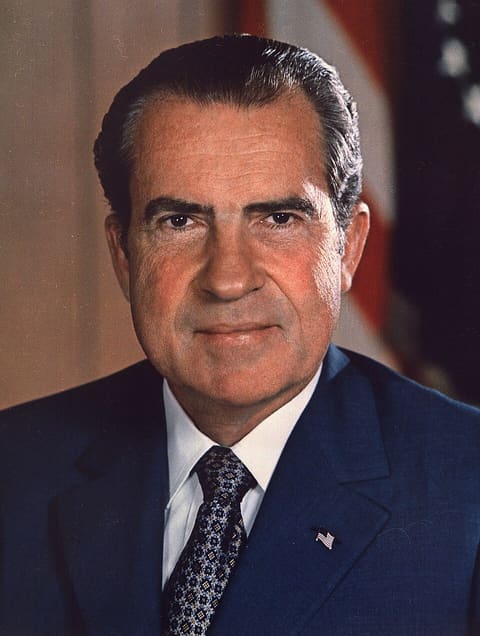
The most distant
Reference country
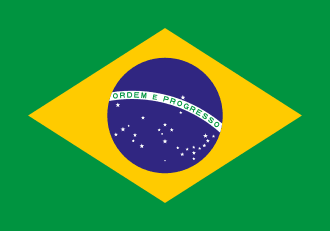
Under Vargas, Brazil experienced a nationalist, developmentalist regime that promoted state-directed industrialization, labor legislation, and the centralization of power, laying the foundations of Brazilian labourism.
Other close countries
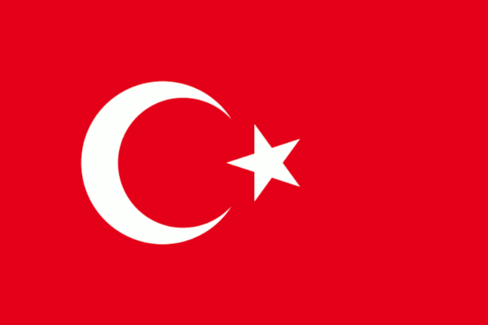
A presidential republic between Europe and Asia, Turkey combines electoral democracy with strong concentration of power, nationalism, religious conservatism, and an assertive foreign policy in the Middle East and the Mediterranean.
Also close, by dimension
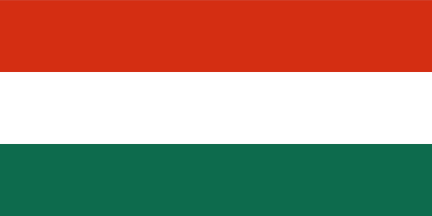
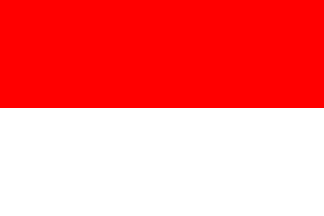
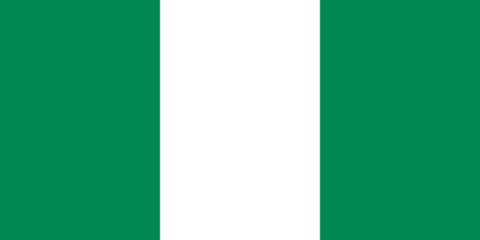
The most distant
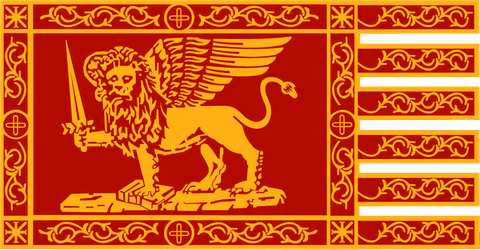
A powerful medieval merchant republic, Venice was governed by a commercial oligarchy that dominated Mediterranean trade, uniting stable institutions, a strong navy, and immense economic power for centuries.
Also close, by dimension
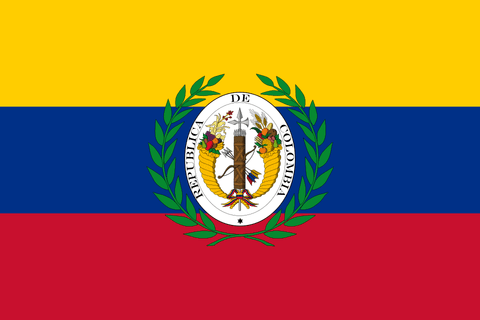
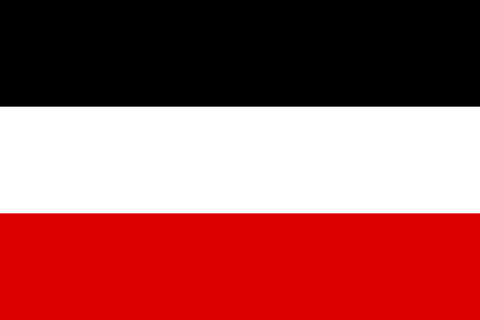
The most distant
Ideological proximity
Closest within Right
Doctrine combining free enterprise and competition in the domestic market with an external tariff wall, subsidies for infant industry, a national bank, public infrastructure and trade surplus as a source of national power.
Current that combines popular sovereignty and democratic institutions with strong cultural nationalism, prioritizing the nation's interests and identity over supranational commitments and multiculturalism.
Current that unites traditional values, family, and religion with strong cultural nationalism, defending sovereignty, borders, and the people's identity within democracy, with clear distrust of globalism.
Closest in other spectrums
Justicialist doctrine of Juan and Eva Perón uniting political sovereignty, economic independence and social justice, with CGT unions, nationalizations, protected industrialization, social Catholicism and a charismatic leader above parties.
Model that organizes society into corporations of workers and employers integrated into the state, seeking harmony between classes and directed economic cooperation instead of conflict or free competition.
A doctrine coined by Guillaume Faye that fuses archaic, hierarchical and traditionalist values — ethnic identity, spirituality and a warrior ethos — with an unreserved embrace of advanced technology, arguing that an approaching civilizational collapse will force humanity to combine tribal social order with hyper-modern science.
The most distant ideology
Crypto-AnarchismLibertarian27%