National Liberalism
Right-wing current that combines free markets, free trade, and limited government with strong national identity, cultural assimilation, traditional and religious values, and a robust military.
Home / Ideologies / National Liberalism
Right-wing current that combines free markets, free trade, and limited government with strong national identity, cultural assimilation, traditional and religious values, and a robust military.
In one sentence
I want a nation of strong identity and free markets, with assimilationist borders, religious tradition and robust military defense.
Political axes
Leans further toward free market than 85% of the 243 ideologies in the catalog.
Of all the axes, Control is where it stands furthest from the rest.
On Technology, it sits practically at the catalog median.
Here it shares common ground with most ideologies.
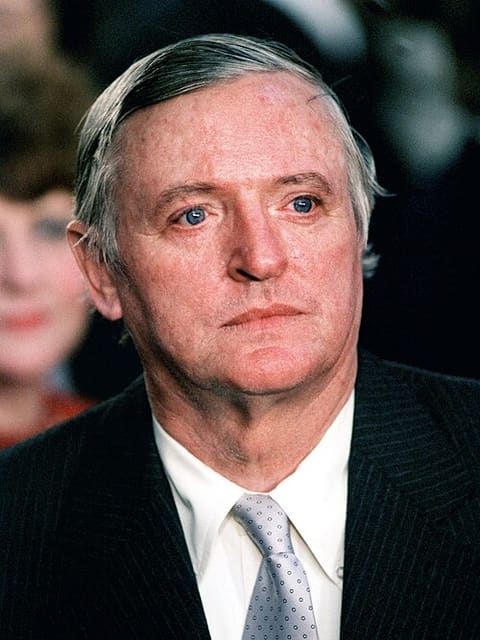
An American intellectual, Buckley articulated modern conservatism in the United States, uniting free markets, anti-communism, and traditional Christian values into a coherent, influential political and cultural force.
Closest, by dimension


Other compatible profiles






The most distant
Reference country

At its Victorian height, the British Empire was the largest in history, uniting parliamentary monarchy, the industrial revolution, and global colonial rule, with strong commercial, naval, and cultural expansion across the world.
Other close countries
A parliamentary republic in the Middle East, Israel combines a vibrant democracy, a strong Jewish national identity, an advanced technology economy, and a prolonged conflict with the Palestinians that dominates its politics and security.
Also close, by dimension


The most distant
An aristocratic republic of antiquity, Rome balanced consuls, Senate, and tribunes of the plebs in a mixed system of elective magistracies, expanding across the Mediterranean through citizen legions and a strong cult of civic virtue.
Also close, by dimension
The most distant
Ideological proximity
Closest within Right
Right-wing current that unites free markets, traditional values, and an interventionist foreign policy, advocating the promotion of democracy and national interests through military force and global leadership.
Political tradition that values order, customs, family, and consolidated institutions, preferring gradual and prudent change over rupture, based on historical experience and skepticism toward utopias.
Synthesis that unites free markets and economic freedoms with the appreciation of tradition, order, and institutions, defending prudent change and social stability within the framework of liberal democracy.
Closest in other spectrums
The East Asian Tiger model (Singapore, South Korea, Taiwan, Hong Kong): champions free markets, foreign trade and private enterprise as engines of growth, paired with an active technocratic state that plans infrastructure, education and strategic industrialization, stopping short of closed protectionism or hard authoritarian control.
Centrist branch that combines economic moderation and institutional respect with social conservatism, valuing family, religion, order, and gradual change without joining the authoritarian right or populist radicalism.
Tradition of republics made of sovereign provinces or cantons, such as the Dutch Republic and the old Swiss Confederacy, with local self-government, open trade, armed neutrality and deep-rooted Protestant faith.
The most distant ideology
CommunalismAnarchist25%