Mutualism
Anarchist current founded by Proudhon that advocates fair exchange, free credit, and use-based property, with producers and cooperatives trading among themselves without exploitation, bosses, or a central state.
Home / Ideologies / Mutualism
Anarchist current founded by Proudhon that advocates fair exchange, free credit, and use-based property, with producers and cooperatives trading among themselves without exploitation, bosses, or a central state.
In one sentence
I want cooperatives and producers trading fairly, with free credit and possession by use, free of bosses, exploitation and a central state.
Political axes
Leans further toward federal than 95% of the 243 ideologies in the catalog.
Of all the axes, Structure is where it stands furthest from the rest.
On Economy, it sits practically at the catalog median.
Here it shares common ground with most ideologies.
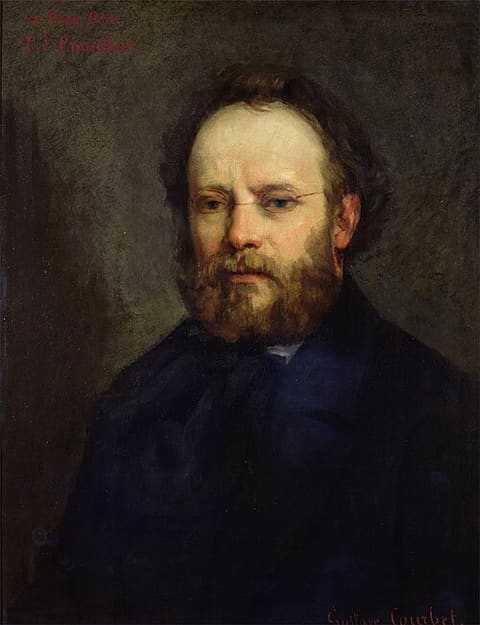
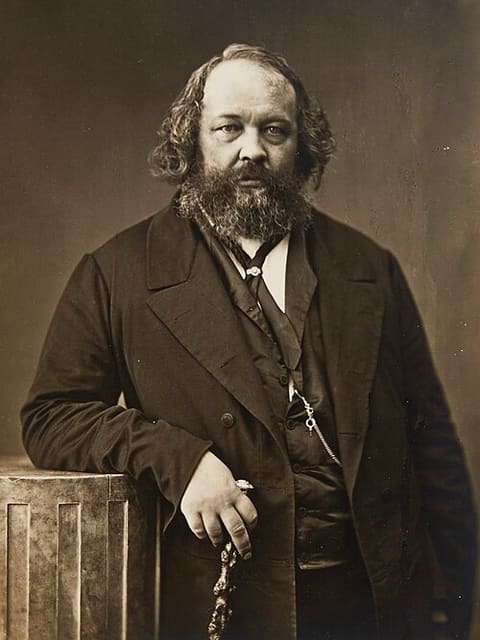
A French philosopher, Proudhon was the first to declare himself an anarchist and formulated mutualism, defending fair exchange, free credit, and use-based property, with the famous phrase that property is theft.
Closest, by dimension
Other compatible profiles
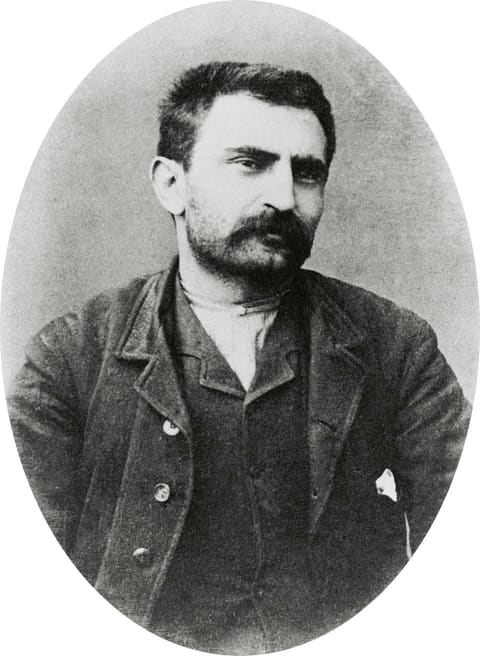
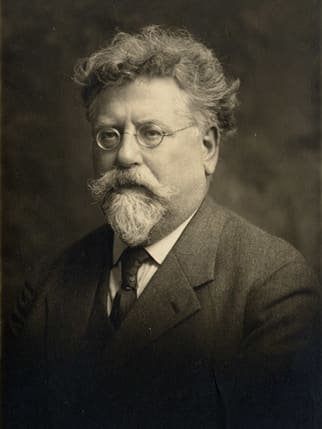
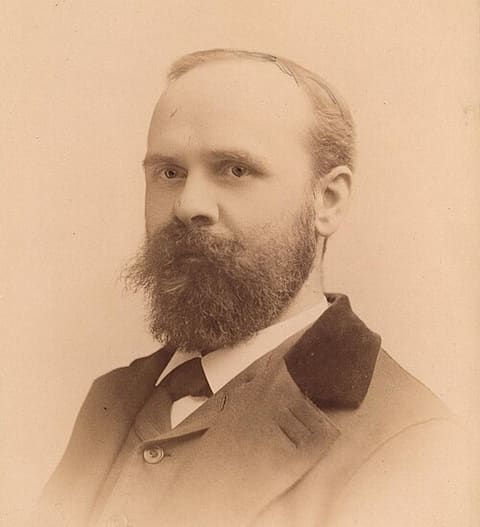
The most distant
Reference country

A European semi-presidential republic, France combines a strong republican and secular tradition, a robust welfare state, a mixed economy, and a prominent diplomatic, cultural, and military role in the European Union and the world.
Other close countries
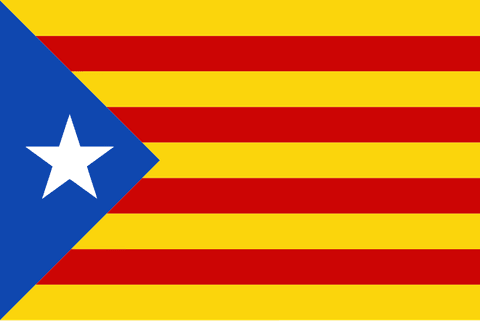
An autonomous region in northeastern Spain, Catalonia combines its own national identity and language, an industrial, cosmopolitan economy, progressive social politics, and a strong independence movement that culminated in the 2017 referendum.
Also close, by dimension
The most distant

During the Russian Revolution, Makhno's Free Territory was an anarchist experiment in Ukraine, with self-managed peasant communes and popular militias that rejected both the White state and Bolshevik power.
Also close, by dimension
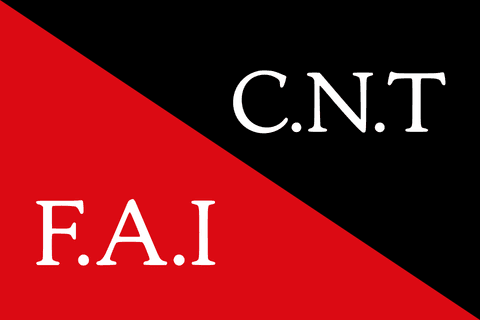


The most distant
Ideological proximity
Closest within Anarchist
Branch that reconciles socialist ideals with strong emphasis on personal autonomy and freedom, defending cooperation and collective ownership without sacrificing each person's independence and uniqueness.
Synthesis of anarchism and Georgism that rejects the state but treats land and natural resources as commons, defending that their rent be shared by the whole community in a free and egalitarian way.
Philosophy that rejects the state and all coercive authority, defending the free organization of society through voluntary associations, cooperation, and self-management, with freedom and equality as central values.
Closest in other spectrums
Synthesis that unites mutualism with a minimal state, combining fair exchange, cooperatives, and free credit with a public structure reduced to the essential functions of protecting rights, contracts, and freedoms.
Current that unites free markets and individual freedoms with concern for social justice, holding that economic freedom must also concretely improve the lives of the poorest and most vulnerable.
Synthesis of libertarianism and Georgism that combines free markets and individual freedoms with the taxation of land value, seen as a common resource, to fund the minimal state without punishing labor.
The most distant ideology
National SocialismThird Position28%