Constitutional Monarchism
Defense of monarchy as a symbol of unity and continuity, with the king subject to the constitution and parliament, uniting tradition and institutional stability with representative democracy and the rule of law.
Home / Ideologies / Constitutional Monarchism
Defense of monarchy as a symbol of unity and continuity, with the king subject to the constitution and parliament, uniting tradition and institutional stability with representative democracy and the rule of law.
In one sentence
I want a king subject to the constitution and parliament, a symbol of unity and continuity within a stable representative democracy.
Political axes
Leans further toward free market than 66% of the 243 ideologies in the catalog.
Of all the axes, Control is where it stands furthest from the rest.
On Intervention, it sits practically at the catalog median.
Here it shares common ground with most ideologies.

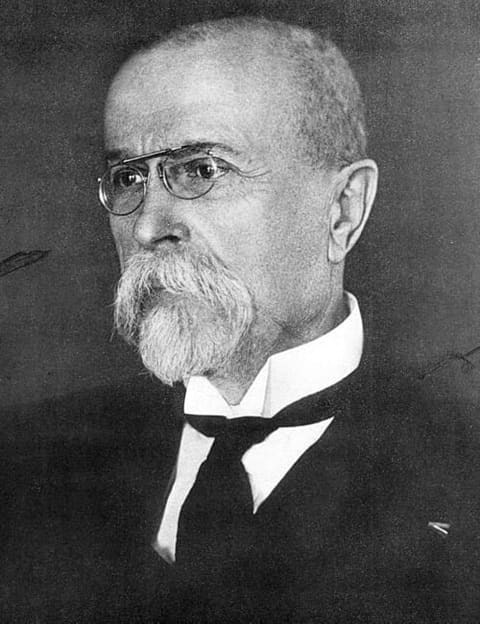
A French Enlightenment philosopher, Montesquieu formulated the separation of powers and institutional moderation, defending constitutional monarchy and government limited by laws as a defense against despotism.
Closest, by dimension


Other compatible profiles






The most distant
Reference country

A parliamentary monarchy, the United Kingdom has a long liberal and democratic tradition, a market economy, and a strong financial sector, maintaining global influence after leaving the European Union in the process known as Brexit.
Other close countries

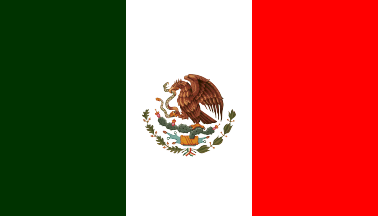
A historic mining state and birthplace of a failed 18th-century independence conspiracy against colonial rule, Minas Gerais has an economy built on mining and agriculture, with traditionally moderate, conciliatory politics.
Also close, by dimension

The most distant

Germany's first democracy, the Weimar Republic united parliamentarism, proportional representation, and intense cultural life, but was undermined by economic crises and political instability that paved the way for Nazism.
Also close, by dimension

The most distant
Ideological proximity
Closest within Center
Political position that seeks balance between left and right, valuing moderation, pragmatism, and consensus, and combining elements of different currents to avoid extremes and favor gradual reforms.
Centrist branch that accepts the market economy but prioritizes social protection, public services, gradual reforms, and institutional consensus to reduce inequality without political rupture or permanent polarization.
Political stance that judges proposals by the practical results they produce rather than fidelity to an ideological dogma, combining market measures, regulation, and social policy according to evidence and each problem's context.
Closest in other spectrums
Branch that seeks concrete social results by negotiating with the market and existing institutions, prioritizing responsible fiscal austerity, targeted social policy, and governability over revolutionary ideological purity.
Model associated with Brazil's Workers' Party governments that seeks growth with social inclusion, combining rising minimum wages, popular credit, cash transfers and public banks without breaking with the market.
Pragmatic branch that prioritizes fiscal adjustment, economic stability, and governability through broad coalitions, accepting market reforms and political concessions in the name of short- and medium-term results.
The most distant ideology
Clerical FascismThird Position43%