Meritocracy
Principle according to which positions and rewards should be distributed by talent, effort, and performance rather than origin or privilege, defending equal opportunity and selection by ability.
Home / Ideologies / Meritocracy
Principle according to which positions and rewards should be distributed by talent, effort, and performance rather than origin or privilege, defending equal opportunity and selection by ability.
In one sentence
I want a society where talent and effort decide positions, with equal opportunity and rewards proportional to each person's merit.
Political axes
Leans further toward globalism than 81% of the 243 ideologies in the catalog.
Of all the axes, Trade is where it stands furthest from the rest.
On Religion, it sits practically at the catalog median.
Here it shares common ground with most ideologies.
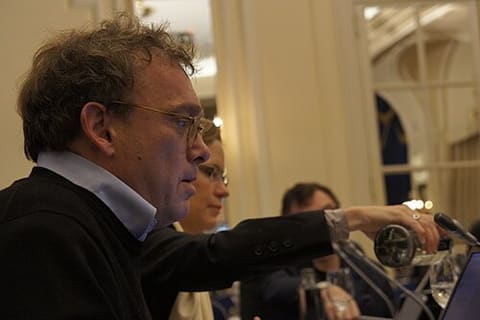
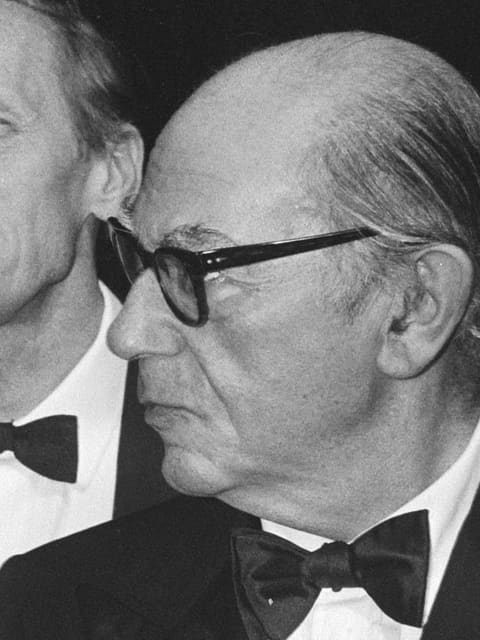
A British journalist and essayist, Wooldridge is one of the leading defenders of meritocracy, arguing that selection by merit and ability drove the modern world and needs to be renewed in our time.
Closest, by dimension
Other compatible profiles


The most distant
Reference country

An Asian city-state, Singapore is a parliamentary republic dominated by a single party, combining open capitalism, efficient technocratic management, strict order, and limited political freedoms in the name of progress.
Other close countries

A European parliamentary republic, Ireland combines liberal democracy, an open market economy attractive to multinationals, a tradition of neutrality, and rapid social transformation toward progressive policies.
Also close, by dimension


The most distant

Germany's first democracy, the Weimar Republic united parliamentarism, proportional representation, and intense cultural life, but was undermined by economic crises and political instability that paved the way for Nazism.
Also close, by dimension


The most distant
Ideological proximity
Closest within Center
Reformist current that reinterprets Islam in light of reason, human rights and pluralism, advocating democracy, gender equality, a non-confessional state and freedom of conscience, in Muhammad Abduh's modernist tradition.
Current of Brazil's PSDB, founded in 1988 by Covas, Montoro and Cardoso, joining a market economy, social state, state reform and fiscal responsibility with parliamentarism and moderation on social issues.
German liberal school that defends the free market within firm rules guaranteed by the state, fighting monopolies and ensuring competition and stability, serving as the basis of the social market economy.
Closest in other spectrums
Scandinavian model combining tripartite collective bargaining among unions, employers and the state, a universalist welfare state funded by high taxes, and an open, export-driven market economy, with strong social consensus and low inequality.
Branch that combines individual freedoms with strong state action to guarantee welfare, education, and healthcare, defending equal opportunity and social security within the market economy.
Liberal current that accepts an active role for the state in the economy and in guaranteeing rights, combining individual freedoms and markets with regulation and public policies aimed at the collective good and equality.
The most distant ideology
Clerical FascismThird Position27%