Liberalism
Political tradition that places individual freedom at the center, defending rights, tolerance, the rule of law, a market economy, and limits on power, with government subject to the consent of citizens.
Home / Ideologies / Liberalism
Political tradition that places individual freedom at the center, defending rights, tolerance, the rule of law, a market economy, and limits on power, with government subject to the consent of citizens.
In one sentence
I want a tolerant society founded on individual rights, with government limited by the rule of law and a free market economy.
Political axes
Leans further toward globalism than 87% of the 243 ideologies in the catalog.
Of all the axes, Trade is where it stands furthest from the rest.
On Intervention, it sits practically at the catalog median.
Here it shares common ground with most ideologies.
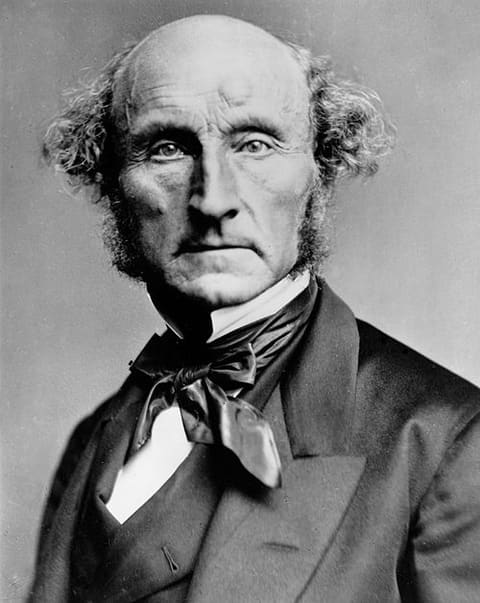
A British liberal philosopher, Mill championed individual liberty, tolerance, utilitarianism, and the harm principle, making him a foundational figure of modern liberalism.
Closest, by dimension

Other compatible profiles



The most distant
Reference country

A European semi-presidential republic, France combines a strong republican and secular tradition, a robust welfare state, a mixed economy, and a prominent diplomatic, cultural, and military role in the European Union and the world.
Other close countries
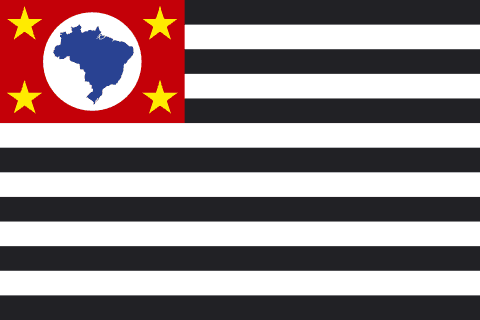
Brazil's most populous and wealthiest state, São Paulo is the country's industrial and financial engine, marked by strong economic liberalism, a cosmopolitan culture, and decisive weight in national politics.
Also close, by dimension


The most distant

A pioneering modern merchant republic, the United Provinces were a confederation governed by a commercial oligarchy, marked by religious tolerance, free trade, and immense naval and financial power at their height.
Also close, by dimension



The most distant
Ideological proximity
Closest within Center
Current that unites individual freedom, markets, and democracy with the ecological agenda, defending sustainability, rights, and innovation to reconcile economic prosperity with effective environmental protection.
Doctrine that organizes the state through a constitutional division of power between a central government and autonomous regional units, such as cantons or states, with their own competencies, independent courts, and mutual checks against excessive concentration of power.
Principle according to which positions and rewards should be distributed by talent, effort, and performance rather than origin or privilege, defending equal opportunity and selection by ability.
Closest in other spectrums
Current that advocates free markets, deregulation, privatization, and fiscal discipline, reducing the state's economic role and trusting competition and monetary stability as engines of prosperity.
Original branch of liberalism that defends natural rights, property, free markets, and a minimal state, seeing individual freedom and the strict limitation of power as the foundations of a just society.
Economic system based on private property, free markets, and the pursuit of profit, in which production and prices are regulated by competition and supply and demand, with individual initiative as its engine.
The most distant ideology
Clerical FascismThird Position21%