Conservatism
Political tradition that values order, customs, family, and consolidated institutions, preferring gradual and prudent change over rupture, based on historical experience and skepticism toward utopias.
Home / Ideologies / Conservatism
Political tradition that values order, customs, family, and consolidated institutions, preferring gradual and prudent change over rupture, based on historical experience and skepticism toward utopias.
In one sentence
I want a society that preserves customs, family and institutions, changing slowly and with skepticism toward utopias and ruptures.
Political axes
Leans further toward free market than 79% of the 243 ideologies in the catalog.
Of all the axes, Control is where it stands furthest from the rest.
On Structure, it sits practically at the catalog median.
Here it shares common ground with most ideologies.
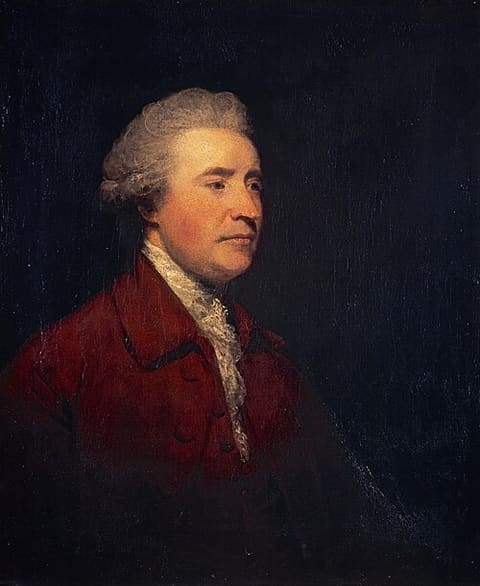
The father of modern conservatism, Burke defended prudent reform, tradition, and institutions against abstract rationalism and revolutionary rupture, harshly criticizing the excesses of the French Revolution.
Closest, by dimension

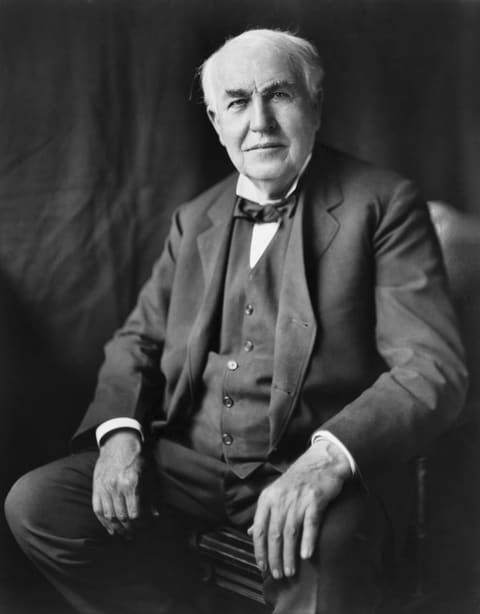
Other compatible profiles


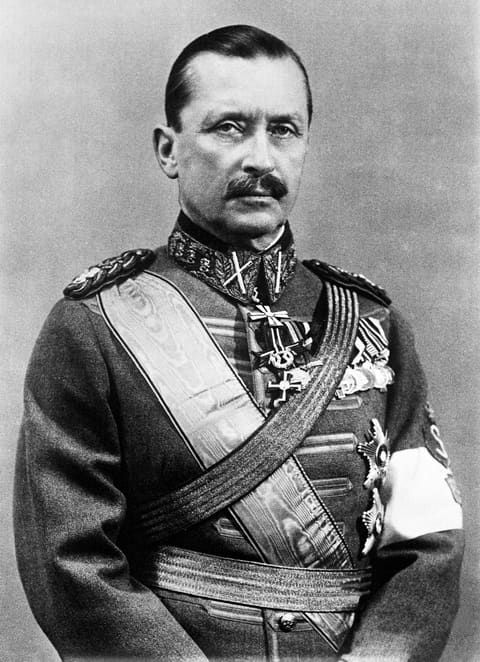



The most distant
Reference country

A parliamentary monarchy, the United Kingdom has a long liberal and democratic tradition, a market economy, and a strong financial sector, maintaining global influence after leaving the European Union in the process known as Brexit.
Other close countries
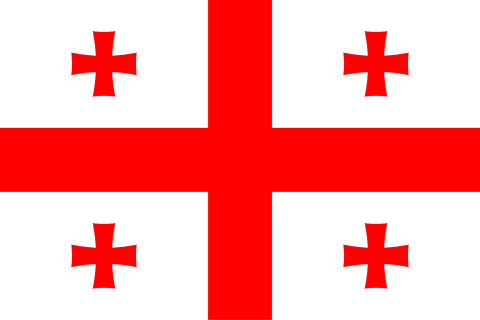
A semi-presidential republic in the Caucasus, Georgia pursues integration with the European Union and NATO, maintains an open market economy, and faces Russian occupation of Abkhazia and South Ossetia since 2008.
Also close, by dimension


The most distant
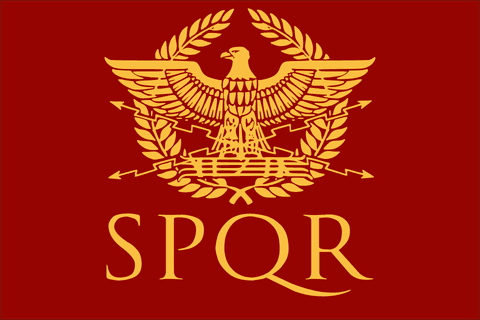
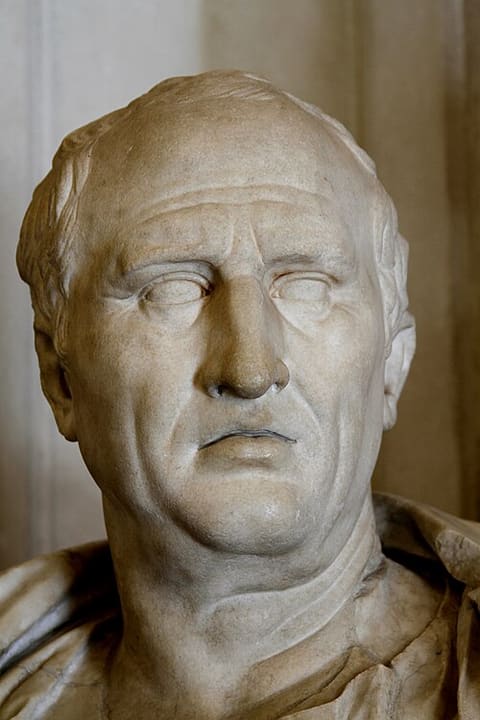
An aristocratic republic of antiquity, Rome balanced consuls, Senate, and tribunes of the plebs in a mixed system of elective magistracies, expanding across the Mediterranean through citizen legions and a strong cult of civic virtue.
Also close, by dimension

The most distant
Ideological proximity
Closest within Right
Right-wing current that unites free markets, traditional values, and an interventionist foreign policy, advocating the promotion of democracy and national interests through military force and global leadership.
Right-wing current that combines free markets, free trade, and limited government with strong national identity, cultural assimilation, traditional and religious values, and a robust military.
Platform of the Republican Party, combining border security and deportations, tariffs and industrial protectionism, tax cuts and deregulation, gun rights, Christian values and returning abortion to the states.
Closest in other spectrums
Centrist branch that combines economic moderation and institutional respect with social conservatism, valuing family, religion, order, and gradual change without joining the authoritarian right or populist radicalism.
The East Asian Tiger model (Singapore, South Korea, Taiwan, Hong Kong): champions free markets, foreign trade and private enterprise as engines of growth, paired with an active technocratic state that plans infrastructure, education and strategic industrialization, stopping short of closed protectionism or hard authoritarian control.
The Jewish national movement founded by Theodor Herzl in 1897, which sought a Jewish state in the Land of Israel as a response to antisemitism and led to the creation of Israel in 1948, uniting nation, the Hebrew language, and return to the ancestral land.
The most distant ideology
Techno-CommunismAnarchist24%