Confucianism
Doctrine that grounds political order in the ruler's virtue, ritual hierarchy and filial piety, favouring bureaucratic merit and moral education over coercive law or popular participation.
Home / Ideologies / Confucianism
Doctrine that grounds political order in the ruler's virtue, ritual hierarchy and filial piety, favouring bureaucratic merit and moral education over coercive law or popular participation.
In one sentence
I want an order founded on the ruler's virtue, filial piety and bureaucratic merit, not on coercive laws or votes.
Political axes
Leans further toward autocracy than 81% of the 243 ideologies in the catalog.
Of all the axes, Representation is where it stands furthest from the rest.
On Economy, it sits practically at the catalog median.
Here it shares common ground with most ideologies.
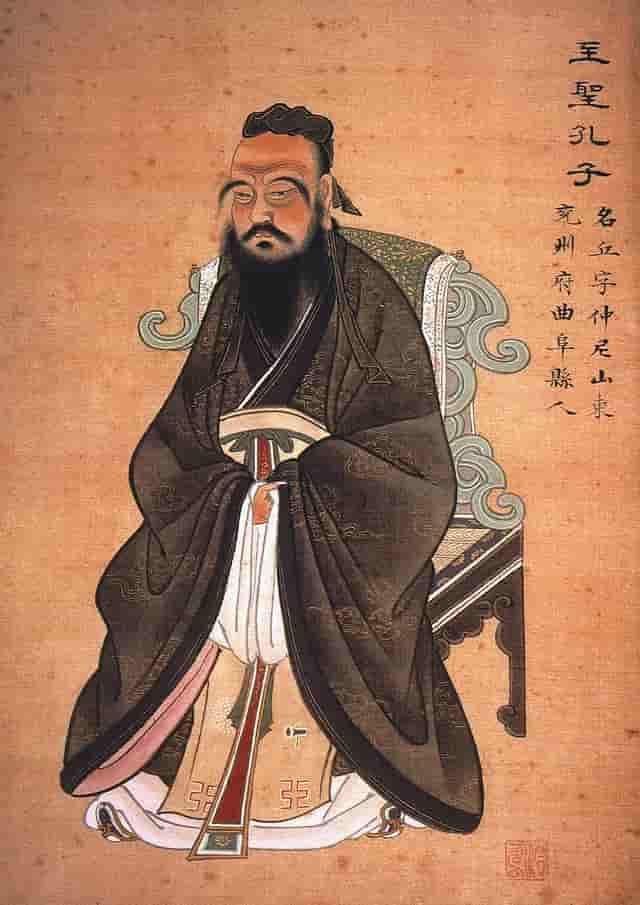
An ancient Chinese philosopher, Confucius created an ethic based on virtue, social harmony, and respect for hierarchies and traditions, shaping Chinese culture, morality, and politics for millennia.
Closest, by dimension

Other compatible profiles

The most distant
Reference country

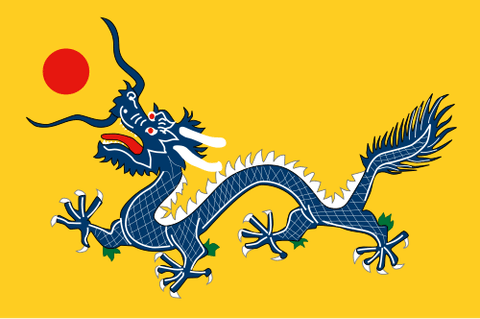
A single-party socialist state, China unites the absolute political control of the Communist Party with a state-directed market economy, becoming a global industrial, technological, and geopolitical power.
Other close countries
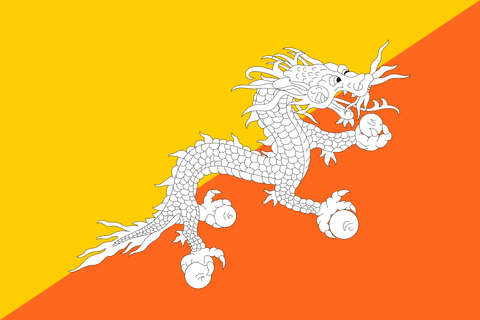
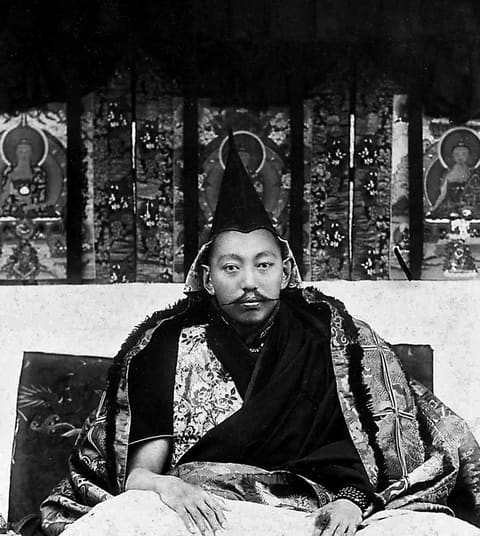
A small Himalayan kingdom, Bhutan combines a Buddhist constitutional monarchy, strong protection of traditional culture and nature, and Gross National Happiness as its compass of government, with cautious openness to the outside world.
Also close, by dimension



The most distant

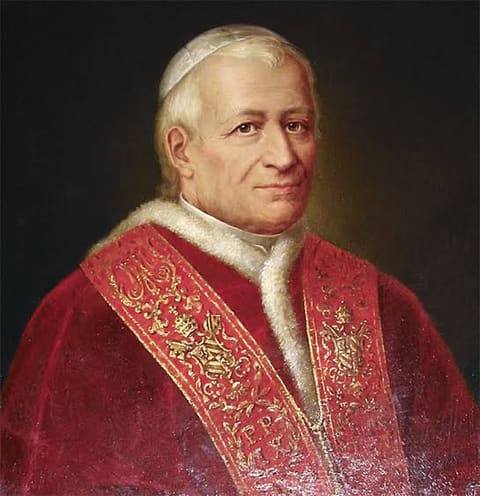
Temporal state of the Papacy, the Papal States united spiritual and political authority under the Pope, applying canon law and clerical government over central Italy for centuries.
Also close, by dimension


The most distant
Ideological proximity
Closest within Right
Social doctrine of the Catholic Church, combining traditionalist morality and defense of life with concern for social justice, subsidiarity and worker dignity, under the hierarchical authority of the papacy and canon law.
Administrative doctrine of enlightened absolutism that organized the state through a disciplined bureaucracy and centralized finances, promoting industry, population, and revenue as sources of the monarch's power.
Model inspired by Park Chung-hee's regime, combining state-led industrialization, credit for private firms, and planning with anti-communist political repression.
Closest in other spectrums
Doctrine of the rule of the best, entrusting power to a minority qualified by virtue, education or birth, rejecting political equality and majority rule as surrendering the city to incompetence.
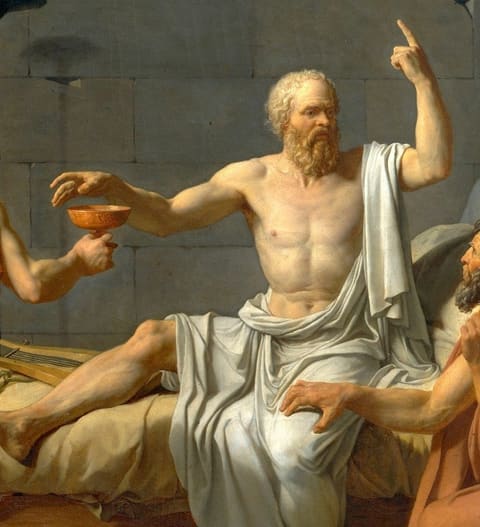
Socrates' dialectical method, examining beliefs through rational questioning and the pursuit of virtue, distrustful of mass politics and the rhetoric of demagogues, yet respectful of the city's rule of law.
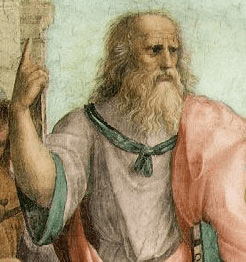
Plato's political philosophy, entrusting the city's government to a philosophical elite formed by virtue and knowledge, with strong control over education, property and customs in the name of justice and social harmony.
The most distant ideology
Crypto-AnarchismLibertarian31%