Maoist Communism
Mao's Chinese adaptation of Marxism, centered on the peasantry as the revolutionary force, protracted people's war, permanent mass mobilization, and cultural revolution against the party bureaucracy.
Home / Ideologies / Maoist Communism
Mao's Chinese adaptation of Marxism, centered on the peasantry as the revolutionary force, protracted people's war, permanent mass mobilization, and cultural revolution against the party bureaucracy.
In one sentence
I want a society mobilized in protracted people's war led by the peasantry, with permanent cultural revolution against bureaucracy.
Political axes
Leans further toward irreligious than 96% of the 243 ideologies in the catalog.
Of all the axes, Religion is where it stands furthest from the rest.
On Immigration, it sits practically at the catalog median.
Here it shares common ground with most ideologies.
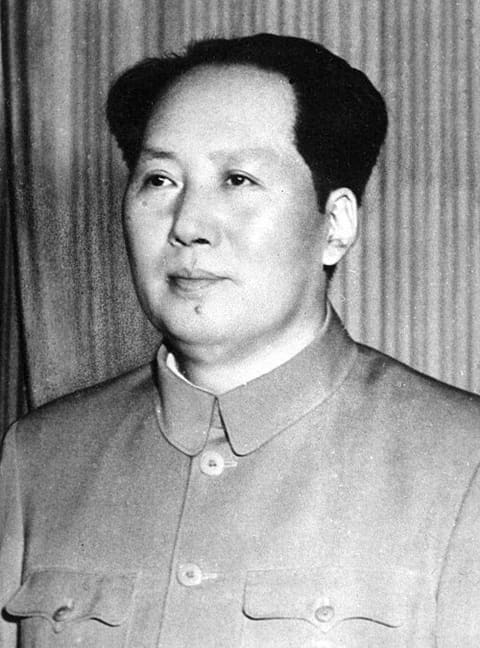
Leader of the Chinese Revolution and founder of the People's Republic, Mao adapted Marxism to the peasantry through people's war, collectivization, and the permanent mobilization of the masses in campaigns of radical transformation.
Closest, by dimension
Other compatible profiles

The most distant
Reference country

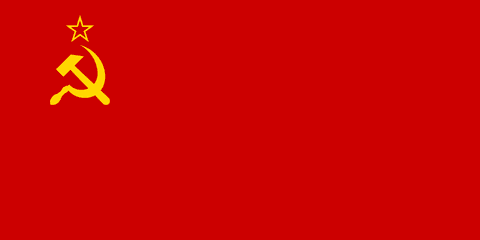
Under Mao, revolutionary China was a single-party communist state, with a collectivized economy and permanent mass mobilization, marked by campaigns such as the Great Leap Forward and the Cultural Revolution.
Other close countries
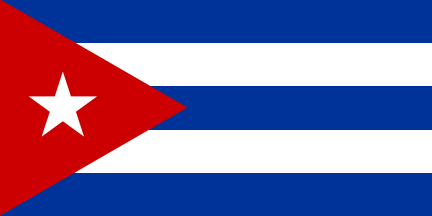
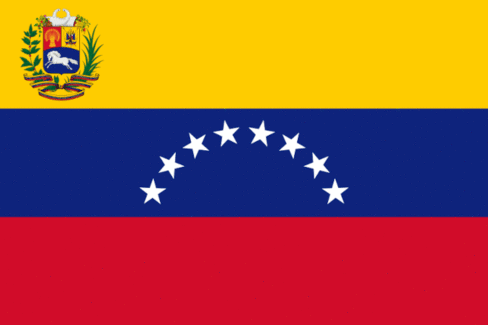
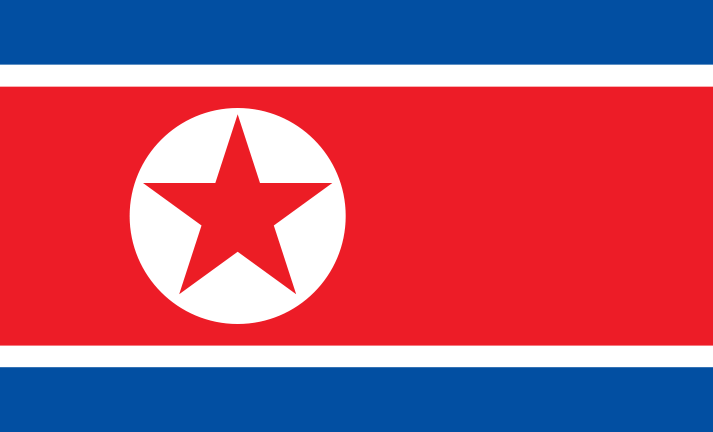
A single-party socialist state in the Caribbean, Cuba maintains a planned economy, strong state control, and universal public services, with power centralized since the revolution led by Fidel Castro in 1959.
Also close, by dimension

The most distant
Under Mao, revolutionary China was a single-party communist state, with a collectivized economy and permanent mass mobilization, marked by campaigns such as the Great Leap Forward and the Cultural Revolution.
Also close, by dimension
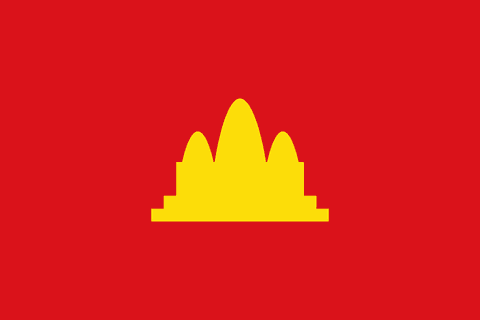
The most distant
Ideological proximity
Closest within Radical Left
Revolutionary regime of Fidel Castro and Che Guevara, with a single party, a state-run economy, universal health and education, export of armed revolution and the new man ideal against imperialism.
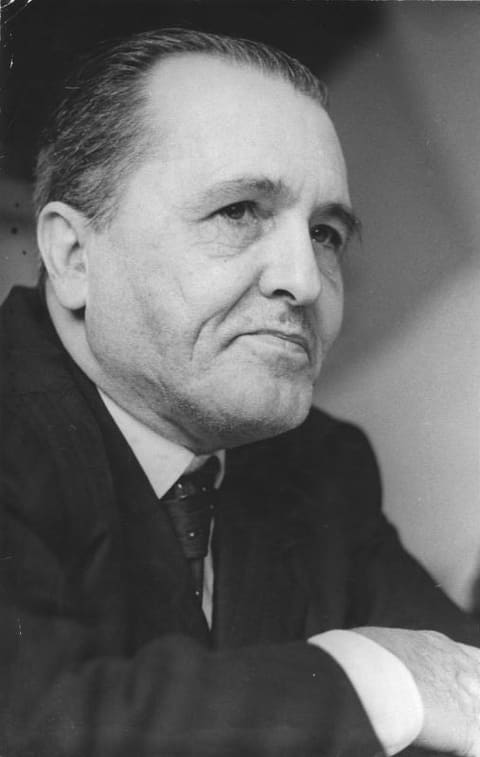
System in which the state controls the means of production and directs the economy through central planning, promoting industrialization and welfare under strong political authority and limited popular democratic participation.
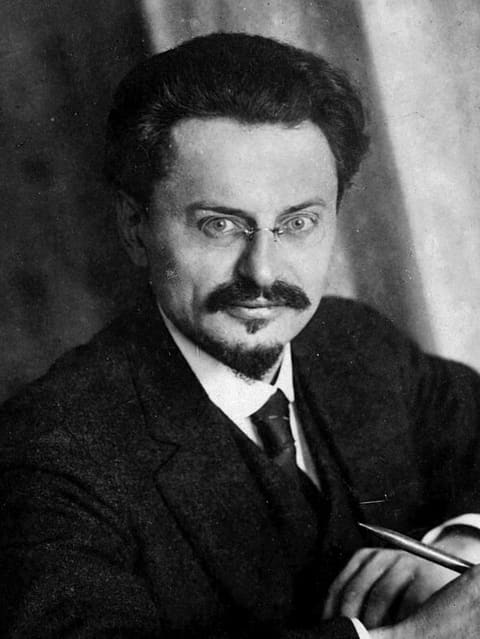
Auguste Blanqui's doctrine that a conspiratorial revolutionary minority should seize power and rule through a provisional dictatorship that expropriates the bourgeoisie, with militant atheism and distrust of elections and of spontaneous mass action.
Closest in other spectrums
Syncretic ideology, also called NazBol, that fuses revolutionary socialism and radical nationalism, combining a collectivist economy, state authoritarianism, and rejection of liberalism, the West, and bourgeois individualism.
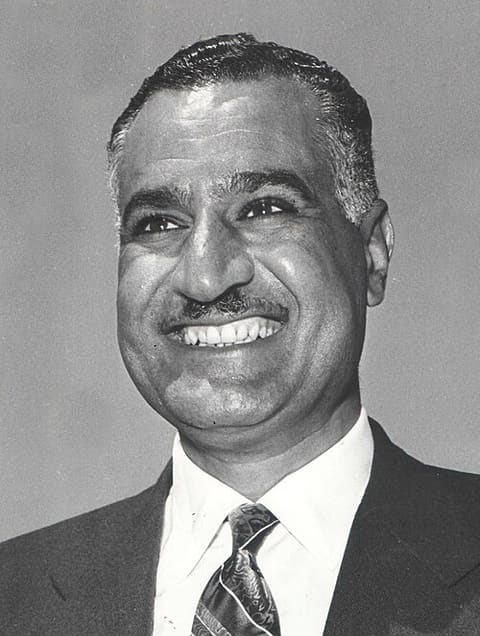
An Arab current of state socialism combining pan-Arab nationalism, a vanguard party, planning, land reform and control of strategic sectors, advocating Arab unity, secularism and independence from imperialism.
Socialist current born of national liberation struggles in Africa, Asia, and Latin America, defending economic sovereignty, resource nationalization, non-alignment, and solidarity among peoples of the Global South against imperialism.
The most distant ideology
PaleolibertarianismLibertarian31%