Radical Centrism
Centrism taken to its limit: it refuses any leaning on principle and seeks exact equidistance between every pole, from economics to morality, treating each political axis as a balance point to be preserved.
Home / Ideologies / Radical Centrism
Centrism taken to its limit: it refuses any leaning on principle and seeks exact equidistance between every pole, from economics to morality, treating each political axis as a balance point to be preserved.
In one sentence
I want a society that takes no side, power that never tilts toward any pole, and an economy weighing state and market exactly equally.
Political axes
Leans further toward federal than 64% of the 243 ideologies in the catalog.
Of all the axes, Structure is where it stands furthest from the rest.
On Immigration, it sits practically at the catalog median.
Here it shares common ground with most ideologies.

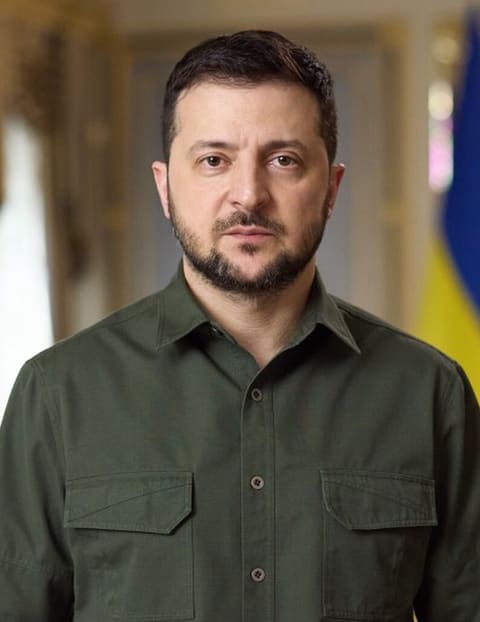
A French statesman, Macron reached France's presidency as a centrist, liberal reformer, defending markets, European integration, and economic reforms, seeking to overcome the traditional divide between left and right.
Closest, by dimension


Other compatible profiles






The most distant
Reference country

A European federal confederation, Switzerland is known for its direct democracy, strong cantonal autonomy, historic neutrality, and a prosperous economy based on finance, precision industry, and institutional stability.
Other close countries

A historic mining state and birthplace of a failed 18th-century independence conspiracy against colonial rule, Minas Gerais has an economy built on mining and agriculture, with traditionally moderate, conciliatory politics.
Also close, by dimension


The most distant
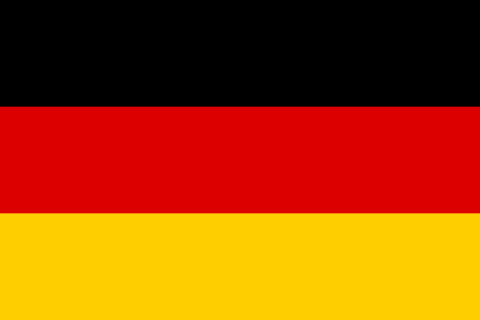
Germany's first democracy, the Weimar Republic united parliamentarism, proportional representation, and intense cultural life, but was undermined by economic crises and political instability that paved the way for Nazism.
Also close, by dimension
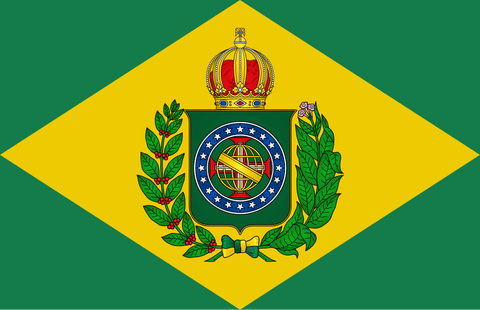
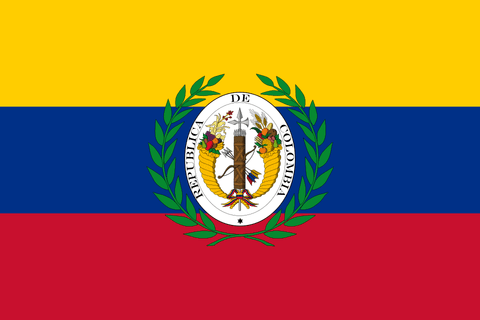

The most distant
Ideological proximity
Closest within Center
Political stance that judges proposals by the practical results they produce rather than fidelity to an ideological dogma, combining market measures, regulation, and social policy according to evidence and each problem's context.
Political position that seeks balance between left and right, valuing moderation, pragmatism, and consensus, and combining elements of different currents to avoid extremes and favor gradual reforms.
Defense of monarchy as a symbol of unity and continuity, with the king subject to the constitution and parliament, uniting tradition and institutional stability with representative democracy and the rule of law.
Closest in other spectrums
Pragmatic branch that prioritizes fiscal adjustment, economic stability, and governability through broad coalitions, accepting market reforms and political concessions in the name of short- and medium-term results.
Conservative branch that defends order, tradition, and institutions without grounding them in religion, supporting cultural values and social stability with secular, historical, and pragmatic arguments.
Political tradition that values order, customs, family, and consolidated institutions, preferring gradual and prudent change over rupture, based on historical experience and skepticism toward utopias.
The most distant ideology
Techno-CommunismAnarchist42%