Capitalism
Economic system based on private property, free markets, and the pursuit of profit, in which production and prices are regulated by competition and supply and demand, with individual initiative as its engine.
Home / Ideologies / Capitalism
Economic system based on private property, free markets, and the pursuit of profit, in which production and prices are regulated by competition and supply and demand, with individual initiative as its engine.
In one sentence
I want a society driven by individual initiative, where competition and the free market, not the state, decide prices, production and profit.
Political axes
Leans further toward free market than 88% of the 243 ideologies in the catalog.
Of all the axes, Control is where it stands furthest from the rest.
On Representation, it sits practically at the catalog median.
Here it shares common ground with most ideologies.
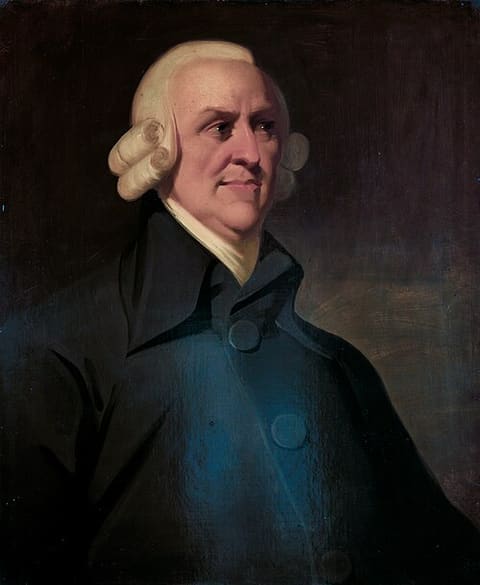
A Scottish economist, Adam Smith founded modern economics in The Wealth of Nations, showing how the market and the division of labor generate prosperity and how the invisible hand coordinates individual interests.
Closest, by dimension
Other compatible profiles
The most distant
Reference country

The second-largest US state, Texas stands out for its conservatism, its culture of strong individual freedom, low taxation, and a dynamic market economy tied to energy and industry.
Other close countries
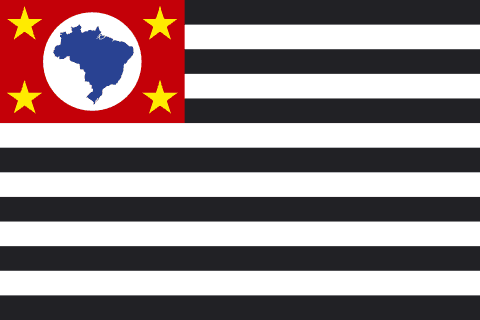
Brazil's most populous and wealthiest state, São Paulo is the country's industrial and financial engine, marked by strong economic liberalism, a cosmopolitan culture, and decisive weight in national politics.
Also close, by dimension
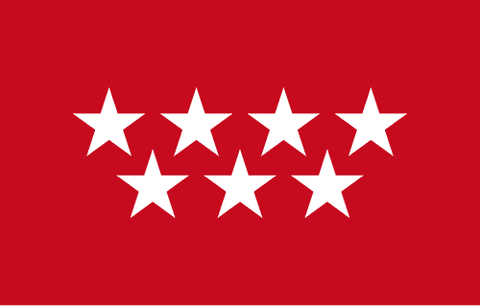

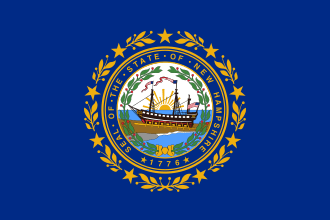
The most distant

A pioneering modern merchant republic, the United Provinces were a confederation governed by a commercial oligarchy, marked by religious tolerance, free trade, and immense naval and financial power at their height.
Also close, by dimension
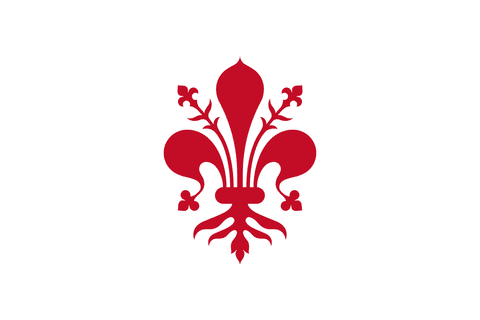

The most distant
Ideological proximity
Closest within Right
Current that advocates free markets, deregulation, privatization, and fiscal discipline, reducing the state's economic role and trusting competition and monetary stability as engines of prosperity.
Synthesis that unites free markets and economic freedoms with the appreciation of tradition, order, and institutions, defending prudent change and social stability within the framework of liberal democracy.
Liberalism before mass democracy: it guarantees civil liberty, property, a free press and a lean state, but restricts the vote to educated property owners, fearing that unlimited popular sovereignty would destroy the very liberties it protects.
Closest in other spectrums
Political tradition that places individual freedom at the center, defending rights, tolerance, the rule of law, a market economy, and limits on power, with government subject to the consent of citizens.
A world divided into independent city-states and microstates that compete like a market, with free secession, the right of exit and political experimentation, from the medieval free cities to Yarvin's "patchwork" and seasteading.
Philosophy created by Ayn Rand that exalts reason, individualism, and rational egoism, defending laissez-faire capitalism and the pursuit of one's own happiness as the supreme moral purpose of each person's life.
The most distant ideology
Clerical FascismThird Position25%