Cameralism
Administrative doctrine of enlightened absolutism that organized the state through a disciplined bureaucracy and centralized finances, promoting industry, population, and revenue as sources of the monarch's power.
Home / Ideologies / Cameralism
Administrative doctrine of enlightened absolutism that organized the state through a disciplined bureaucracy and centralized finances, promoting industry, population, and revenue as sources of the monarch's power.
In one sentence
I want a realm served by a disciplined bureaucracy and centralized finances, growing industry, population and revenue for the crown.
Political axes
Leans further toward autocracy than 99% of the 243 ideologies in the catalog.
Of all the axes, Representation is where it stands furthest from the rest.
On Intervention, it sits close to the catalog median.
Here it shares common ground with most ideologies.
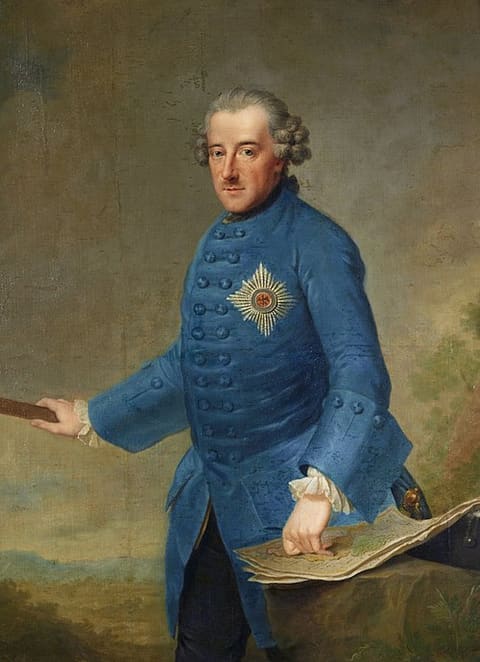
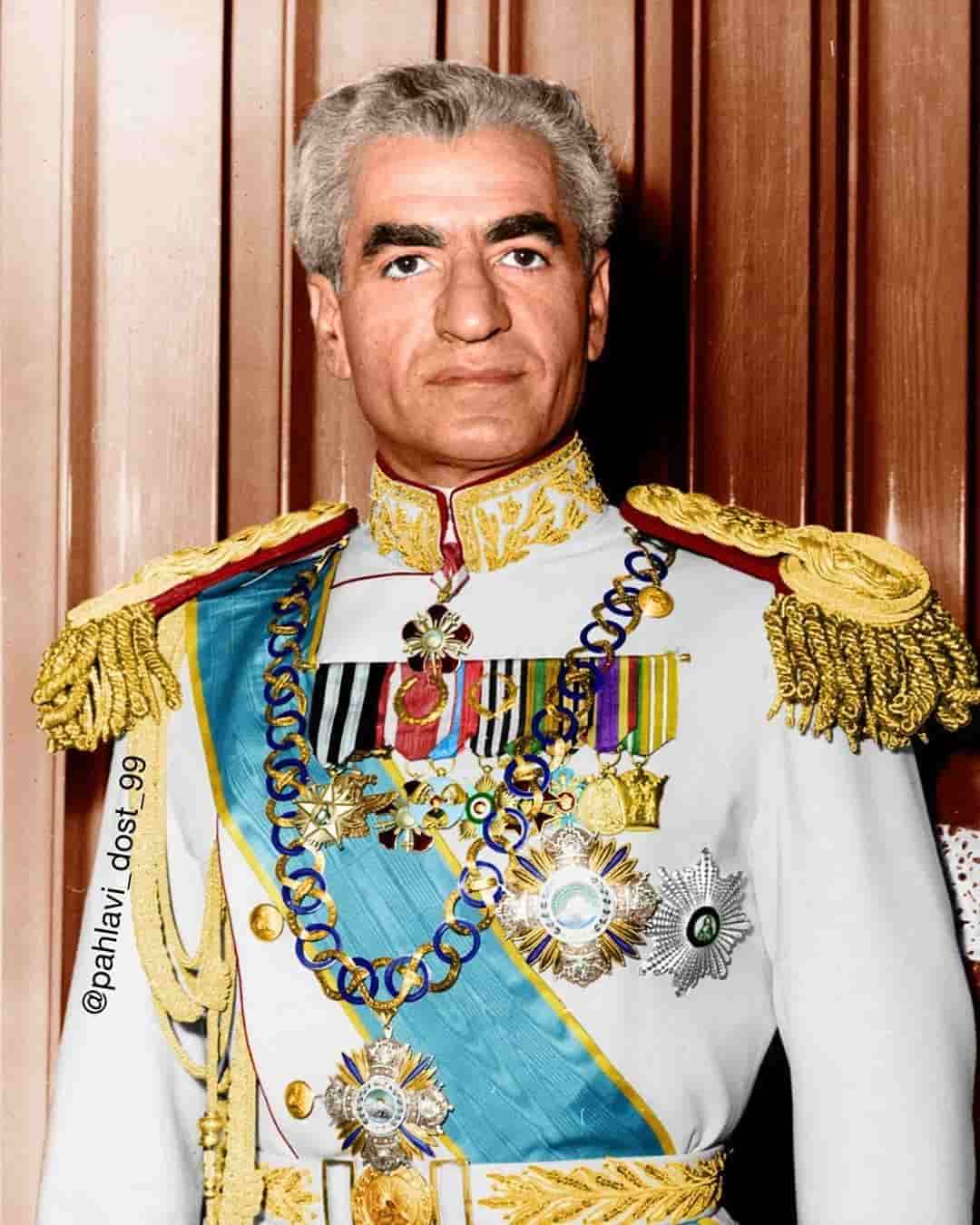
King of Prussia, Frederick the Great made the kingdom a military and administrative power, embodying enlightened despotism and the cameralist state of disciplined bureaucracy, centralized finances, and tolerance.
Closest, by dimension

Other compatible profiles


The most distant
Reference country
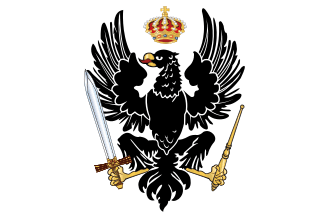
A German kingdom with a strong military and administrative tradition, Prussia united monarchy, a disciplined bureaucracy, and a powerful army, leading German unification and embodying the cameralist state and enlightened despotism.
Other close countries

A single-party socialist state in the Caribbean, Cuba maintains a planned economy, strong state control, and universal public services, with power centralized since the revolution led by Fidel Castro in 1959.
Also close, by dimension
The most distant
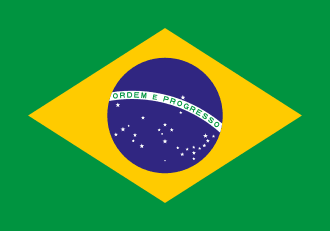
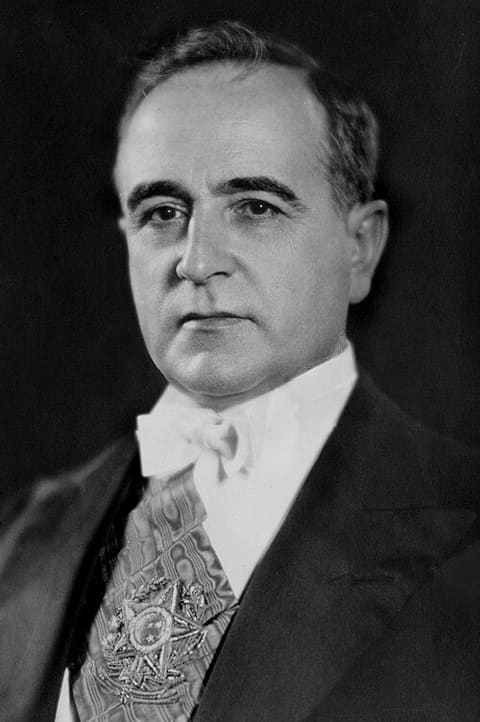
Under Vargas, Brazil experienced a nationalist, developmentalist regime that promoted state-directed industrialization, labor legislation, and the centralization of power, laying the foundations of Brazilian labourism.
Also close, by dimension

The most distant
Ideological proximity
Closest within Right
Model inspired by Park Chung-hee's regime, combining state-led industrialization, credit for private firms, and planning with anti-communist political repression.
Doctrine that grounds political order in the ruler's virtue, ritual hierarchy and filial piety, favouring bureaucratic merit and moral education over coercive law or popular participation.
Nineteenth-century constitutional monarchy model in which the monarch exercises a fourth Moderating Power above the Executive, Legislative and Judiciary, arbitrating conflicts and guaranteeing stability over an agrarian economy.
Closest in other spectrums
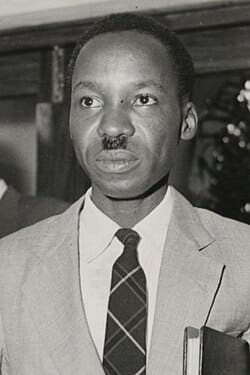
Current that builds socialism from the countryside, with a single party, collectivization into villages and cooperatives, food self-sufficiency and protection of land and forests, as in Nyerere's Ujamaa.
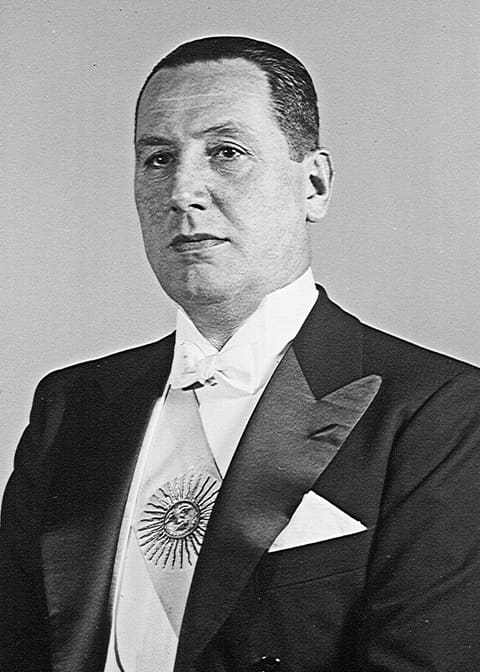
Latin American project that combines popular nationalism, anti-imperialism, social redistribution, and strong presidential leadership, using the state and strategic resources to promote sovereignty and popular inclusion.
Getúlio Vargas's Estado Novo doctrine joining economic nationalism, a centralized state, state-tied unions, labor law and state firms such as Petrobras, against the regional oligarchies and liberalism.
The most distant ideology
Crypto-AnarchismLibertarian35%