Egoist Anarchism
Current founded by Max Stirner in The Ego and Its Own (1844), which rejects the state, morality, religion and rights as spooks and proposes voluntary unions of egoists who associate only while it serves them.
Home / Ideologies / Egoist Anarchism
Current founded by Max Stirner in The Ego and Its Own (1844), which rejects the state, morality, religion and rights as spooks and proposes voluntary unions of egoists who associate only while it serves them.
In one sentence
I want the Unique One free of God, morality and state, allied with egoists only while it pays, owning only what its might holds.
Political axes
Leans further toward liberty than 99% of the 243 ideologies in the catalog.
Of all the axes, Power is where it stands furthest from the rest.
On Economy, it sits close to the catalog median.
Here it shares common ground with most ideologies.
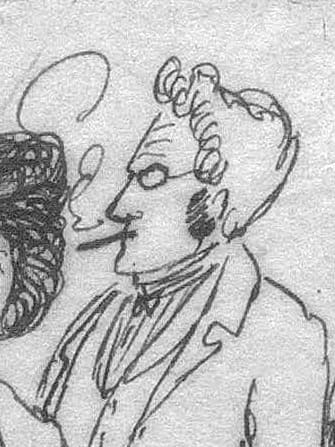
A German philosopher, Stirner is the great reference of egoist anarchism, rejecting state, morality, and institutions as oppressive abstractions and placing the sovereign individual and their interests at the center of everything.
Closest, by dimension

Other compatible profiles

The most distant
Reference country
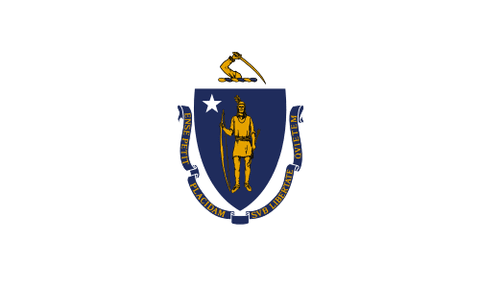
A northeastern US state, Massachusetts is a progressive stronghold and a hub of education and science, with prestigious universities, a strong liberal tradition, and politics focused on social rights and innovation.
Other close countries
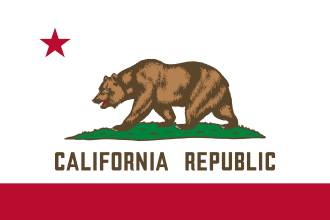
The most populous US state, California is a global hub of technology and culture, with strongly progressive, environmentalist, and technocratic politics and a gigantic, innovative market economy.
Also close, by dimension
The most distant

During the Russian Revolution, Makhno's Free Territory was an anarchist experiment in Ukraine, with self-managed peasant communes and popular militias that rejected both the White state and Bolshevik power.
Also close, by dimension


The most distant
Ideological proximity
Closest within Anarchist
Branch that reconciles socialist ideals with strong emphasis on personal autonomy and freedom, defending cooperation and collective ownership without sacrificing each person's independence and uniqueness.
Philosophy that rejects the state and all coercive authority, defending the free organization of society through voluntary associations, cooperation, and self-management, with freedom and equality as central values.
Synthesis of anarchist currents centered on the liberation of body and identity, uniting the critique of patriarchy and of gender and sexuality norms with an openness to technology as a tool of emancipation, all under the rejection of the state, capitalism, and every imposed hierarchy.
Closest in other spectrums
Current that unites free markets and individual freedoms with concern for social justice, holding that economic freedom must also concretely improve the lives of the poorest and most vulnerable.
Current that unites individual freedom, markets, and democracy with the ecological agenda, defending sustainability, rights, and innovation to reconcile economic prosperity with effective environmental protection.
Political tradition that places individual freedom at the center, defending rights, tolerance, the rule of law, a market economy, and limits on power, with government subject to the consent of citizens.
The most distant ideology
Clerical FascismThird Position21%