Agrarian Anarchism
Anarchist branch centered on the countryside, defending autonomous rural communities, collective ownership of land, and peasant cooperation, rejecting the state and land concentration in favor of self-management.
Home / Ideologies / Agrarian Anarchism
Anarchist branch centered on the countryside, defending autonomous rural communities, collective ownership of land, and peasant cooperation, rejecting the state and land concentration in favor of self-management.
In one sentence
I want autonomous rural communities with collective land, without state or large estates, organized by peasant cooperation and self-management.
Political axes
Leans further toward federal than 92% of the 243 ideologies in the catalog.
Of all the axes, Structure is where it stands furthest from the rest.
On Morality, it sits practically at the catalog median.
Here it shares common ground with most ideologies.

A Mexican revolutionary, Zapata led peasants in the Mexican Revolution under the motto Land and Liberty, defending agrarian reform and the autonomy of rural communities against large landowners and the state.
Closest, by dimension


Other compatible profiles







The most distant
Reference country

During the Spanish Revolution, regions of Aragon and Catalonia lived an anarchist experiment of collectivizing land and factories, with workers' self-management and social organization without a central state.
Other close countries

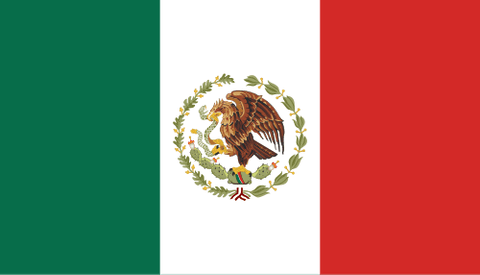
Zapatista territories in southern Mexico, self-governed since 1994 by mostly Maya communities through caracoles and Good Government Councils, rejecting political parties and the state, with cooperative agrarian economy and strong women's leadership.
Also close, by dimension


The most distant

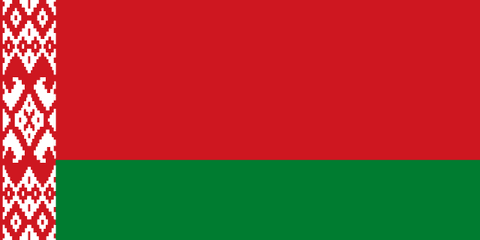
During the Russian Revolution, Makhno's Free Territory was an anarchist experiment in Ukraine, with self-managed peasant communes and popular militias that rejected both the White state and Bolshevik power.
Also close, by dimension

The most distant
Ideological proximity
Closest within Anarchist
Neo-Zapatista movement that emerged in 1994 in southern Mexico, combining indigenous autonomy, direct democracy through assemblies and caracoles, cooperative subsistence economy, and refusal to seize state power, summed up as 'lead by obeying'.
Current that unites Christian faith with anarchism, holding that the Gospel preaches love, equality, and nonviolence incompatible with the state, and defending free communities based on conscience and charity.
Synthesis of anarchism and distributism that defends the wide distribution of property and small-scale production, with autonomous communities and cooperatives organized without a state or large monopolies.
Closest in other spectrums
Current that values indigenous peoples and their rights, defending autonomy, territory, culture, and political participation, along with development models and a plurinational state that respect their traditions.
Current that attributes intrinsic value to all life and not only to human beings, defending a profound change of values, the reduction of human impact, and respect for the balance of the planet's ecosystems.
Movement that places unions and workers' organization at the center of politics, defending collective bargaining, direct action, and labor control over production as the path to working-class emancipation.
The most distant ideology
Authoritarian LiberalismRight29%