Anarcho-Pacifism
Anarchist branch that rejects the state and all violence, defending social transformation through nonviolent means, civil disobedience, and voluntary cooperation as the path to a free and just society.
Home / Ideologies / Anarcho-Pacifism
Anarchist branch that rejects the state and all violence, defending social transformation through nonviolent means, civil disobedience, and voluntary cooperation as the path to a free and just society.
In one sentence
I want a society without state or violence, built through civil disobedience and voluntary cooperation among free people.
Political axes
Leans further toward federal than 99% of the 243 ideologies in the catalog.
Of all the axes, Structure is where it stands furthest from the rest.
On Control, it sits practically at the catalog median.
Here it shares common ground with most ideologies.
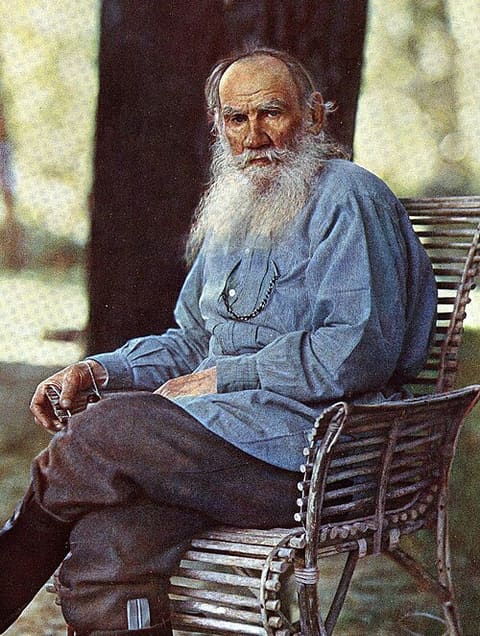
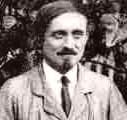
A Russian writer, Tolstoy united his literary work with pacifist Christian anarchism, preaching nonviolence, simplicity, and refusal of the state in ways that influenced Gandhi and later movements.
Closest, by dimension

Other compatible profiles
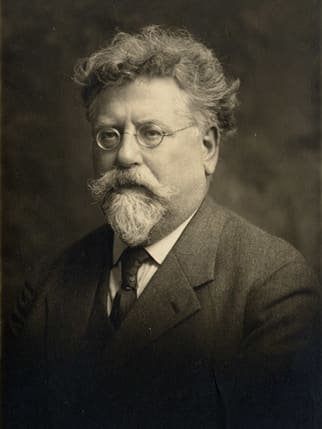
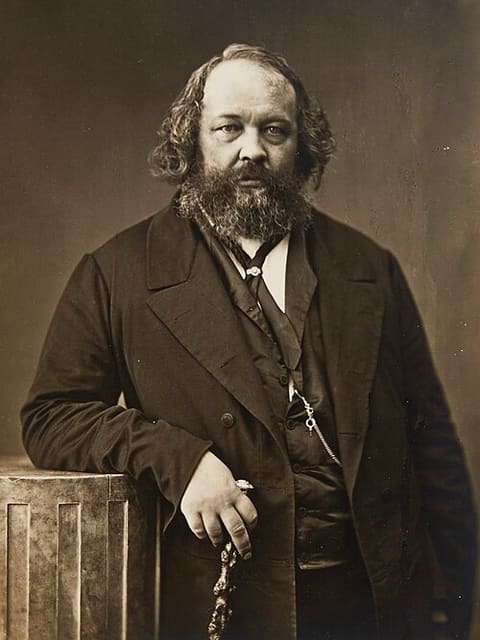

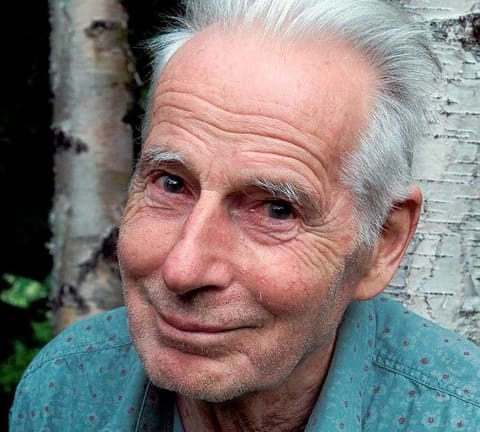
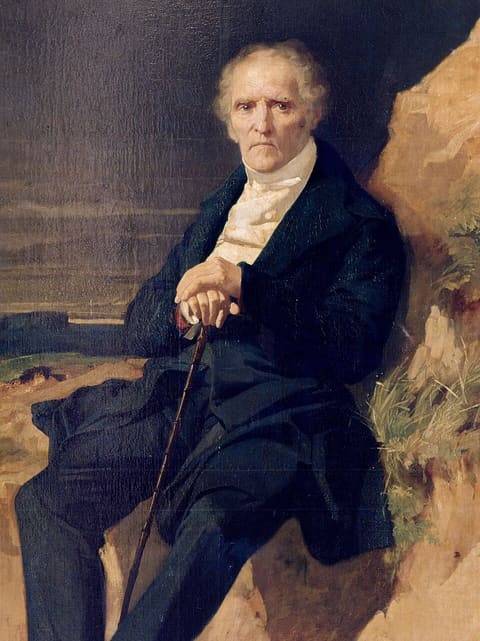
The most distant
Reference country
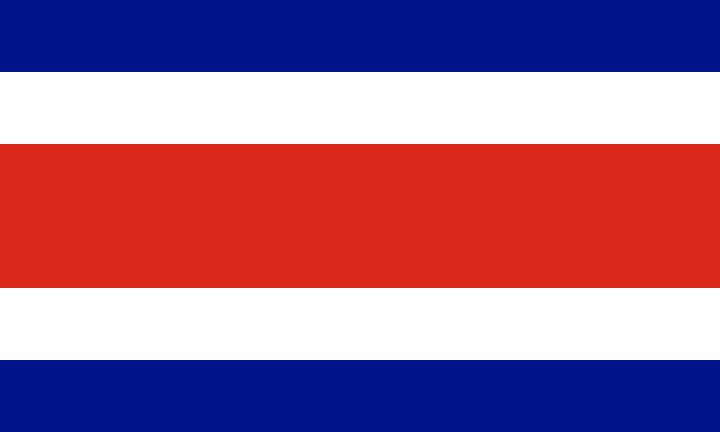
A presidential republic in Central America, Costa Rica stands out for abolishing its armed forces, its consolidated democracy, its environmental commitment, and a tradition of political stability and peace in the region.
Other close countries

A constituent country of the United Kingdom, Scotland has its own parliament, a distinct national identity and language, a strong independence movement (2014 referendum), and social-democratic politics further left than England's.
Also close, by dimension
The most distant
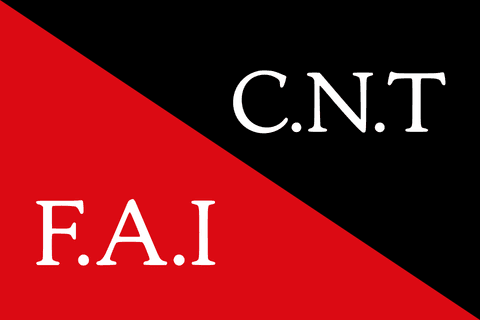
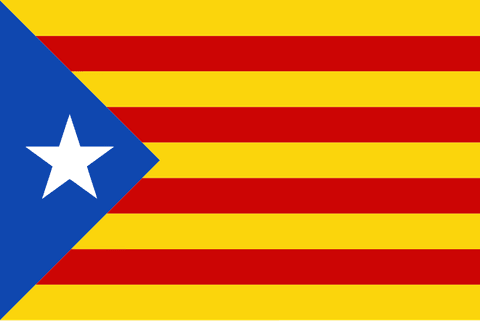
During the Spanish Revolution, regions of Aragon and Catalonia lived an anarchist experiment of collectivizing land and factories, with workers' self-management and social organization without a central state.
Also close, by dimension



The most distant
Ideological proximity
Closest within Anarchist
Current that sees revolutionary unions as the basis for overthrowing capitalism through direct action and the general strike, organizing production by the workers themselves in a free, stateless society.
Left-libertarian branch that unites broad individual freedom with collective or shared ownership of resources, defending autonomy, cooperation, and the rejection of both the authoritarian state and capital.
Philosophy that rejects the state and all coercive authority, defending the free organization of society through voluntary associations, cooperation, and self-management, with freedom and equality as central values.
Closest in other spectrums
Current that attributes intrinsic value to all life and not only to human beings, defending a profound change of values, the reduction of human impact, and respect for the balance of the planet's ecosystems.
Movement that places unions and workers' organization at the center of politics, defending collective bargaining, direct action, and labor control over production as the path to working-class emancipation.
Current that values indigenous peoples and their rights, defending autonomy, territory, culture, and political participation, along with development models and a plurinational state that respect their traditions.
The most distant ideology
Radical RightFar-Right22%